


Gur: A Sweet History
Gur, also known as jaggery, has deep roots in Indian culinary traditions, dating back centuries. It’s a natural sweetener made from sugarcane juice, palm
sap, or coconut sap, and its usage is widespread across the Indian subcontinent. Gur production is a time-honored process, often involving traditional methods passed down through generations. The history of Gur is intertwined with the agricultural practices and economic activities of rural India. It not only served as a sweetener but also had medicinal properties, making it an integral part of daily life and religious ceremonies. Different regions boast unique methods of preparation and recipes. From simple blocks to elaborate sweets, Gur’s adaptability has solidified its place in Indian heritage.
Making Gur: The Process
The creation of Gur is an art form. The process begins with extracting juice from sugarcane, palms, or coconuts. This juice is then boiled in large, open pans until it thickens and crystallizes. The boiling process is carefully monitored to achieve the desired consistency and flavor. During this step, impurities are skimmed off, ensuring a pure product. Depending on the type of Gur, different methods of stirring and cooling are employed to create diverse textures and shapes. The final product is then molded into various forms, from solid blocks to granules and liquids. The entire process requires skill and experience, with the best Gur makers often possessing family secrets passed through generations. The quality of Gur varies with factors like the raw material, boiling time, and cooling techniques.
Regional Gur Variations
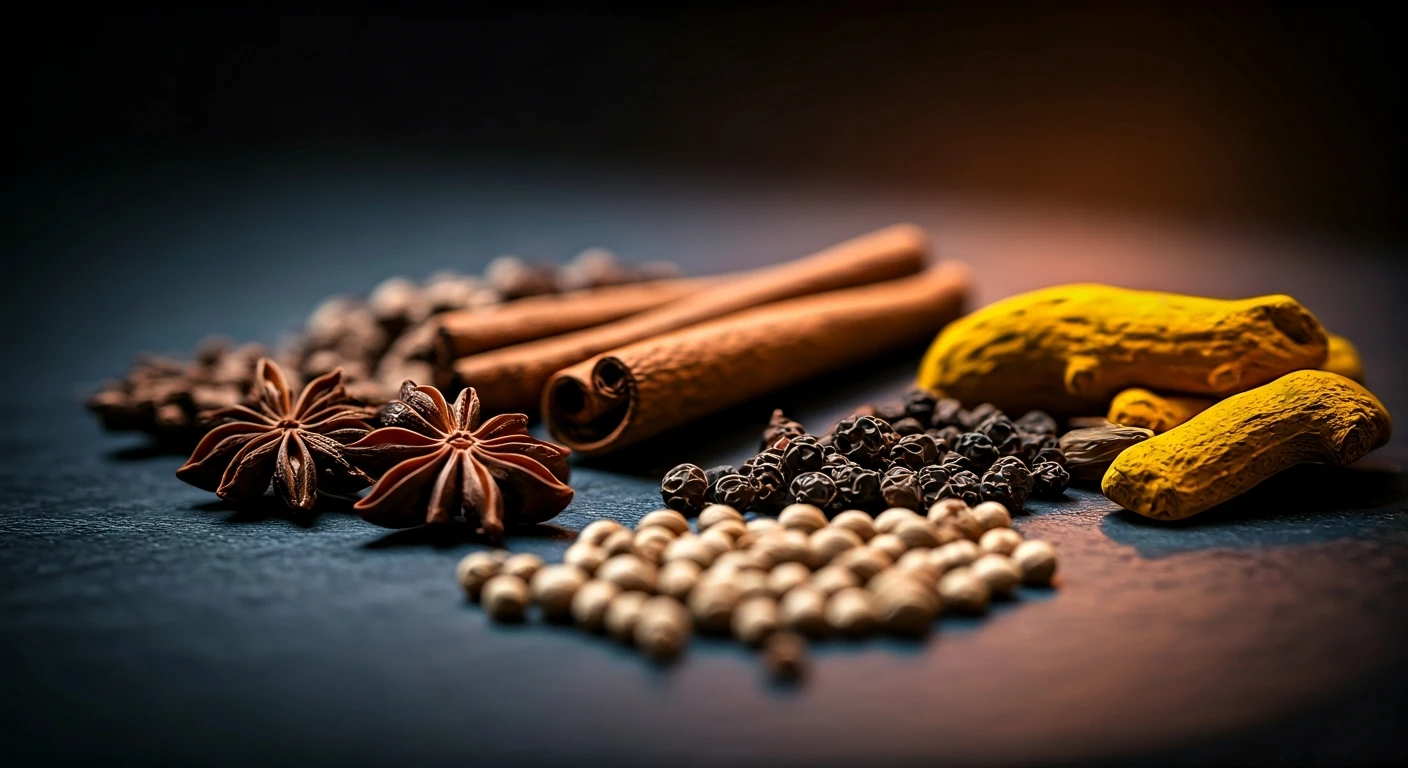
The beauty of Gur lies in its regional diversity, with each area of India offering unique variations. In some regions, Gur is flavored with spices like cardamom, ginger, or cloves, enhancing its taste profile. The type of plant used also determines the taste; sugarcane Gur has its distinct sweetness, while palm and coconut varieties offer subtly different flavors. Some regions produce soft, chewy Gur, ideal for sweets, while others focus on hard, brittle forms used for grating. These different forms highlight the adaptable nature of Gur. Regional variations in preparation also influence the flavor and texture. For example, some regions use wooden molds while others might utilize metal containers for setting the jaggery. This diverse culinary landscape ensures Gur remains a dynamic and evolving part of India’s culinary heritage, with something for every palate.
Gur in Traditional Dishes
Gur takes center stage in numerous traditional Indian dishes, lending its unique sweetness and flavor. It is a key ingredient in many sweets and desserts, such as chikki (a brittle made with nuts and jaggery), gur paratha (a sweet flatbread), and various types of ladoos (sweet balls). Gur is not limited to sweet dishes; it adds complexity to savory dishes, too. Some regional curries utilize Gur to balance the spiciness and saltiness of the dish. During festivals and celebrations, dishes with Gur are common, symbolizing prosperity and good fortune. Gur is versatile enough to pair with various foods, from simple snacks to elaborate meals, enhancing the taste experience. Its natural sweetness makes it a healthier alternative to refined sugar, while its rich flavor profile adds depth.
Gur's Cultural Significance
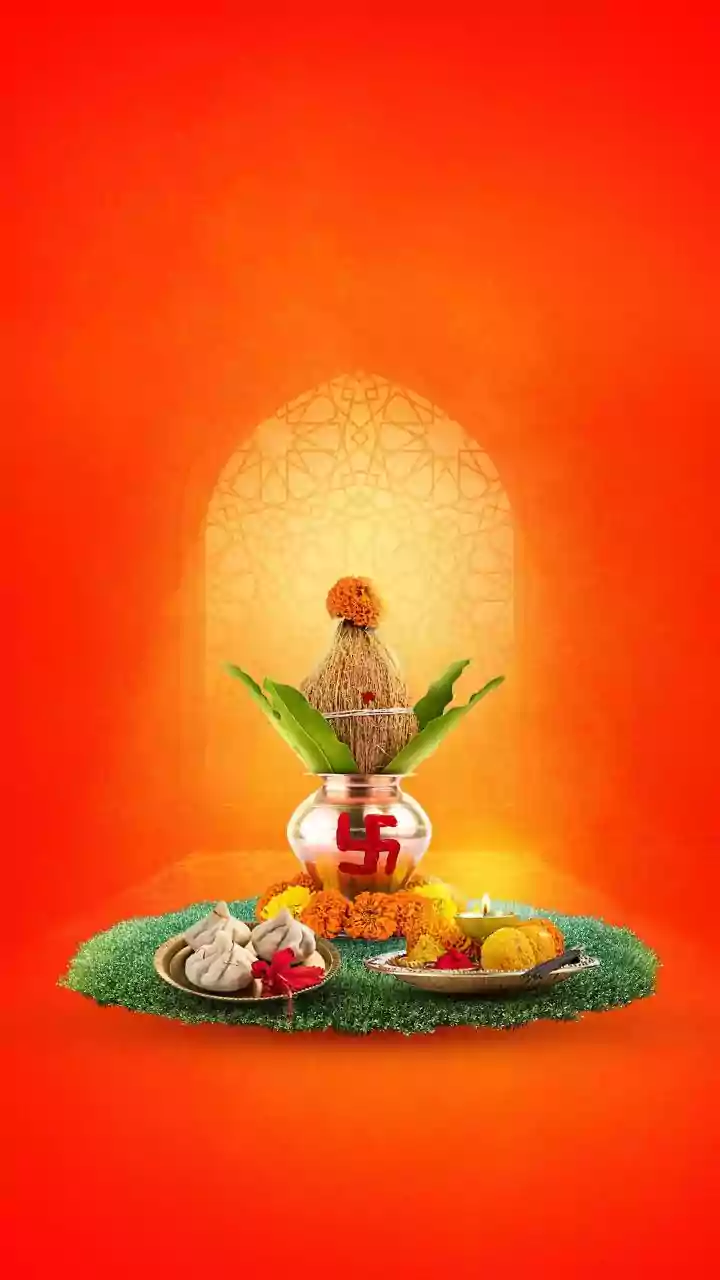
Beyond its culinary role, Gur holds deep cultural significance in India. It is often considered auspicious and is used in religious ceremonies and rituals. Gur is offered to deities and distributed as prasad (sacred food) during festivals. It is also given as a gift during special occasions like weddings and births. The symbolism of Gur extends beyond its use in religious contexts, symbolizing happiness and prosperity. Gur's association with good fortune and positivity has made it a central ingredient in many festivals and celebrations across India. Its natural properties are also associated with health and well-being, further cementing its value in Indian culture. The tradition of consuming Gur often fosters community and shared experiences.
Health Benefits of Gur
Gur is not just a tasty treat; it also offers numerous health benefits, making it a valuable addition to a balanced diet. It is a rich source of iron, which helps to combat anemia and boost hemoglobin levels. Gur is also believed to aid in digestion by activating digestive enzymes and cleansing the body. It contains antioxidants that protect against cellular damage, and minerals that support overall health. Unlike refined sugar, Gur retains some nutrients from the plant sources, making it a healthier sweetener option. In traditional medicine, Gur is used to treat various ailments, from coughs and colds to digestive issues. However, moderation is important, as Gur is still a concentrated source of sugar. It's best to consume it as part of a balanced diet and consult a healthcare professional for specific health advice.