Initial Controversial Remark
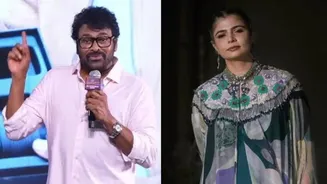
The controversy began with Chiranjeevi's remarks, which quickly gained traction on social media and news outlets. The comments, which have been widely
shared and dissected, were seen as problematic by many. Initial reports and online discussions highlighted the controversial nature of the statements, leading to significant backlash. The public's reaction was swift, with many expressing disappointment and disapproval. Social media platforms became filled with discussions as people reacted to the comments, dissecting their implications and impact. The initial response set the stage for a broader conversation about the comments.
Public Outcry Unfolds
Following the initial release of the remarks, the public's response was substantial and vocal. The online sphere, including X (formerly Twitter), Facebook, and other platforms, became inundated with critical opinions. Numerous users expressed their discontent, using hashtags and sharing their views. Various groups and communities joined in the discussion, adding diverse perspectives to the ongoing debate. This outpouring of criticism revealed a widespread feeling of discomfort and disapproval related to Chiranjeevi's comments. The reactions demonstrated the impact of the remarks and their ripple effects throughout the community.
Backlash and Criticism
The backlash against Chiranjeevi’s comments was intense, with many directly criticizing the content and its implications. Individuals and organizations voiced their concerns about the nature of the remarks and the potential harm they could cause. This criticism often highlighted specific aspects of the comments, pointing out their problematic elements. Many felt the comments promoted harmful stereotypes, and fueled unfair practices, leading to a strong call for accountability. The backlash was not limited to online spaces, as traditional media outlets also covered the story, amplifying the public’s criticism and ensuring that the conversation reached a broader audience.
Online Boycott Calls
As the controversy intensified, calls for boycotts of Chiranjeevi’s work and projects began circulating. Social media users and online communities urged people to refrain from watching his films or supporting any of his upcoming ventures. These calls for boycotts reflected the extent of the outrage and the desire for the actor to be held responsible for his actions. The effectiveness of such campaigns remains to be seen, but the sheer number of calls demonstrated the depth of the anger and frustration among many fans and viewers. This added an additional layer of pressure on Chiranjeevi and the broader entertainment community.
Discussion and Analysis
The controversy surrounding Chiranjeevi’s comments prompted detailed analysis and discussion across various media platforms. Commentators examined the specific wording of the remarks and their potential meanings. Experts on gender, social issues, and film history offered insights, providing valuable context. These discussions aimed to unpack the complexities of the situation, helping the public gain a deeper understanding. The analysis often explored the broader societal implications of the comments, discussing how they reflect and reinforce certain attitudes. The goal was to provide clarity, facilitate an informed public conversation, and potentially lead to positive change.
Impact and Aftermath
The repercussions of the comments extended to various facets of the entertainment industry and beyond. The incident spurred conversations about accountability, representation, and the influence of celebrities. The controversy may affect Chiranjeevi's future projects and public image. Additionally, it encouraged a reevaluation of certain norms and practices. The reactions could bring about lasting effects on how public figures behave and how the industry addresses controversial topics. This situation underscores the significant responsibility that public figures have and the impact their words can have on society.