

Craftsmanship Over Clutter
The contemporary Indian fashion scene is witnessing a profound move towards understated elegance, prioritizing refined craftsmanship and quality over ostentatious
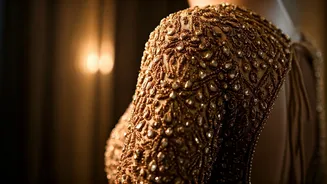
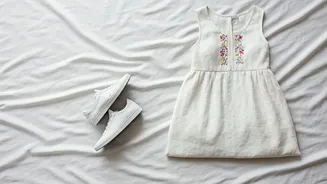
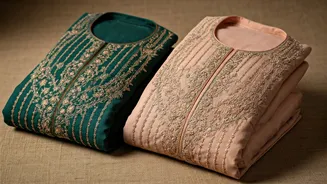
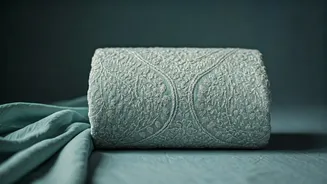
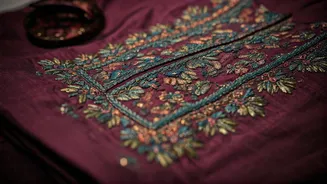
displays. Consumers are increasingly drawn to garments that possess a timeless appeal and an effortless feel, moving away from the era of heavy embellishments and logo-centric statements. Artisanal techniques, such as the delicate handwork of Chikankari, are at the forefront of this movement. This intricate embroidery, known for its precision and subtle beauty, elevates garments without overwhelming them. The emphasis has shifted from sheer volume of adornment to the meticulous execution of detail, the superior quality of fabrics, and the thoughtful design elements that ensure a piece feels both light and luxurious. These thoughtfully crafted items offer remarkable versatility, easily transitioning from everyday wear to more formal occasions, embodying a practical form of luxury that perfectly suits the demands of modern lifestyles. The true statement in fashion is no longer found in noise, but in the quiet mastery of skill and artistry.
The Vintage Lens
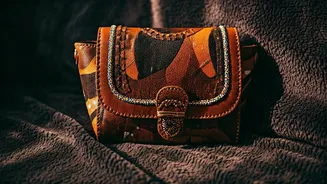
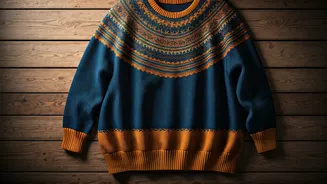
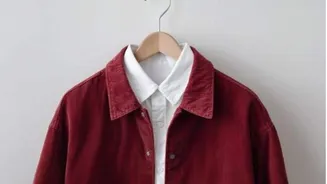
The influence of past fashion eras is subtly yet significantly shaping contemporary designs, moving beyond mere nostalgia to offer valuable design insights. Vintage fashion has evolved into a source of inspiration that champions structure, durability, and enduring style. Designers are drawing from the architectural tailoring of the 1950s, the flowing silhouettes of the 1970s, and the bold power dressing of the 1980s, reinterpreting these iconic styles with a modern sensibility that favors restraint. This approach isn't about replicating the past but refining it, integrating heritage cuts with clean, contemporary lines and carefully balanced proportions. The outcome is fashion that feels deeply connected to its roots while remaining highly relevant for today. This revival of vintage aesthetics underscores an appreciation for garments that are built to last, offering a contrast to the disposable nature of fast fashion and celebrating pieces with inherent longevity and character.
Fashion Without Borders
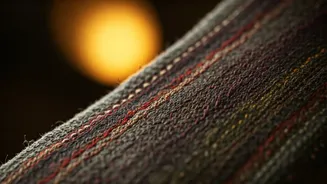
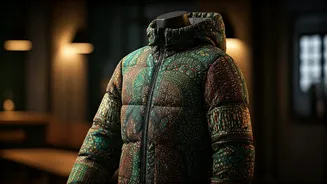
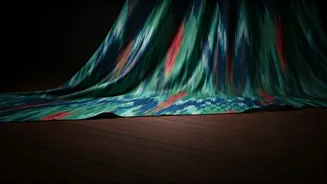
This resurgence of craft-based design coincides with a global exchange of ideas and techniques, blurring geographical lines in fashion. Traditional Indian textiles and artisanal methods are being artfully integrated into modern silhouettes, creating pieces that resonate both locally and universally. This cross-pollination sees Indian handloom fabrics being skillfully combined with Western tailoring techniques, while minimalist layering, inspired by Japanese design aesthetics, harmonizes beautifully with indigenous crafts. This trend reflects a deliberate approach to dressing, guided by intention and authenticity rather than a quest for spectacle. The unifying factor between the vintage revival and this cross-cultural design movement is a shared rejection of fast, fleeting fashion in favor of garments that possess genuine story, substance, and soul. It’s about creating a wardrobe that is both globally aware and deeply personal.
Dressing With Intention
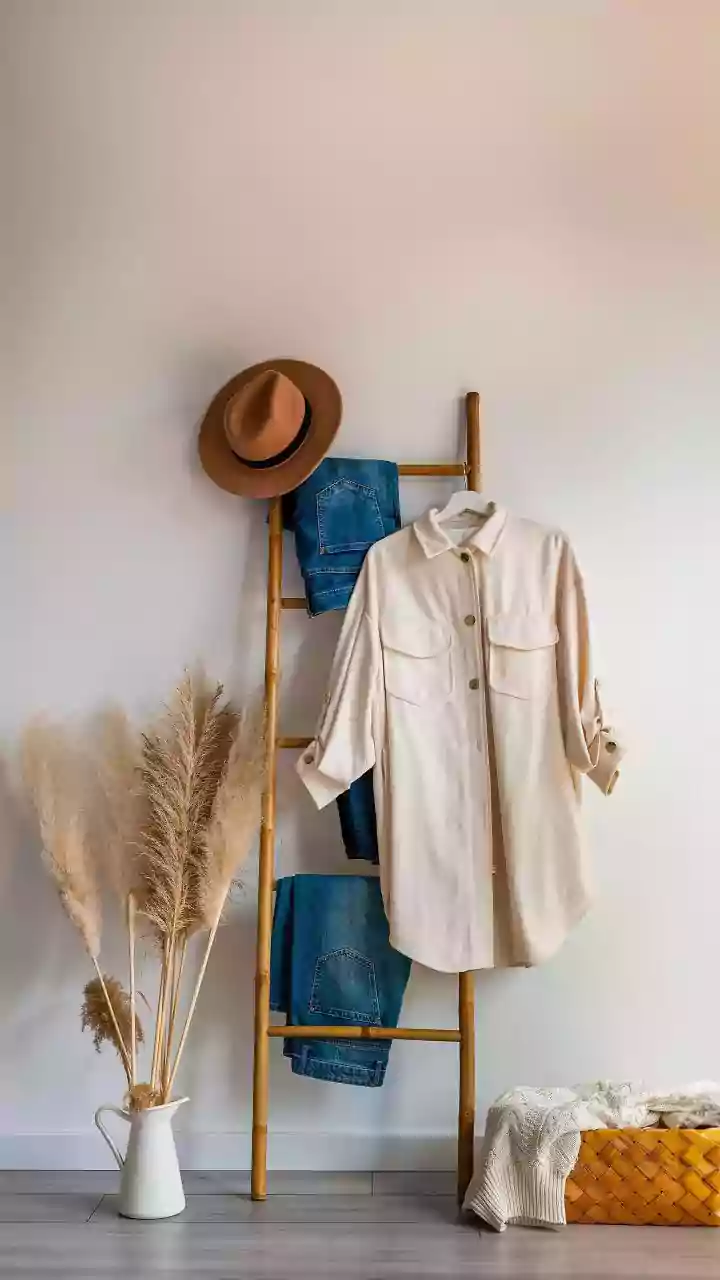
The culmination of these influences results in a sophisticated wardrobe philosophy centered on longevity and conscious consumption. Garments are designed with clean construction, breathable fabrics, and refined finishes, ensuring they can effortlessly transition between various occasions and seasons. A hand-embroidered kurta, for instance, can be styled with denim for a casual day out or paired with silk trousers for an evening event. Similarly, a well-tailored blazer offers enduring style that transcends fleeting fashion trends. These pieces are not created for ephemeral moments but are intended to be cherished companions in one's wardrobe for years to come. This shift signifies a more mature approach to personal style, where elegance is defined by a harmonious blend of comfort, authenticity, and thoughtful design, offering a welcome respite from the overwhelming visual noise of the modern world.