/images/ppid_59c68470-image-178837752923647576.webp)

What is the story about?
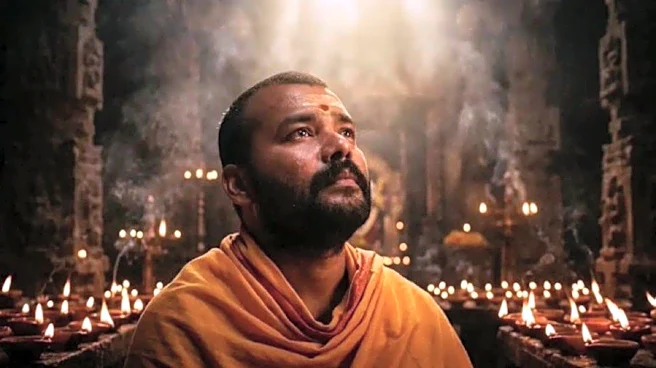
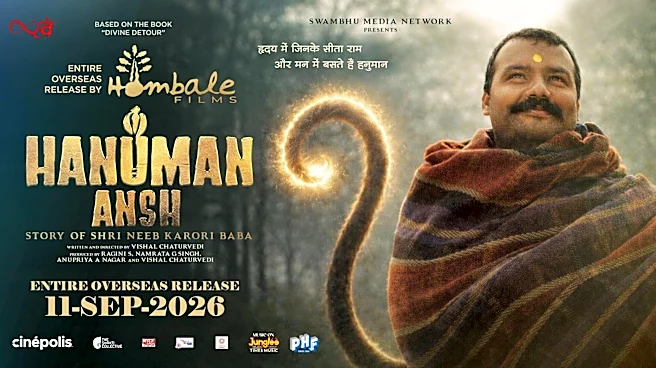
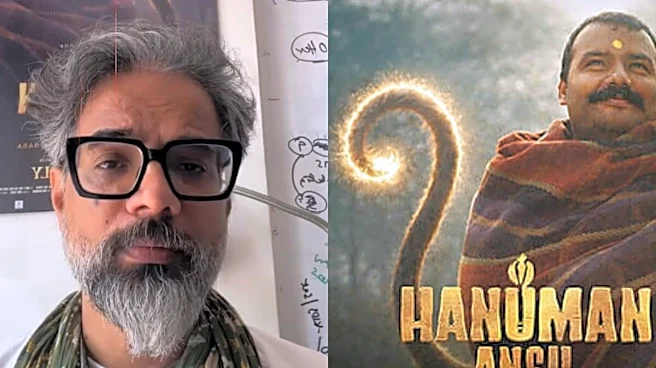
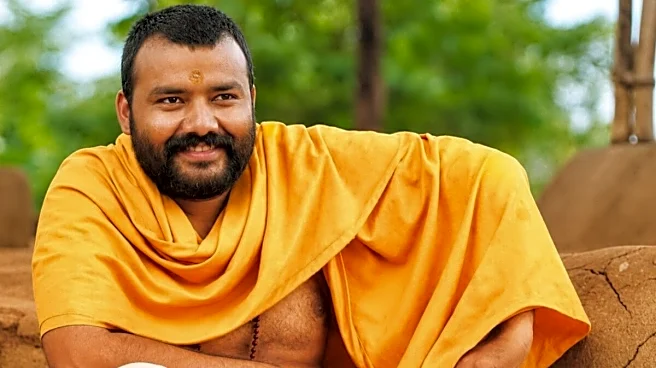
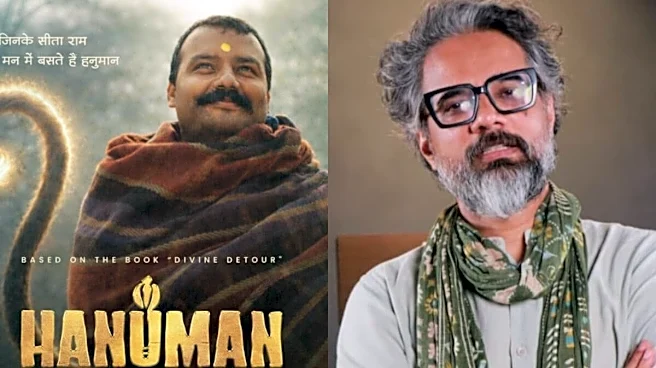
When micro-budget indie Hanuman Ansh entered theatres in August, few in the film trade expected a ₹2 crore devotional feature to outlast mega-budget tentpoles at the box office. But alongside its steady box-office surge, another unlikely cultural success story took shape: the breakthrough of 25-year-old Bundelkhandi folk artist Suneel Lodhi.
Armed with an unadorned tambura and an earthy vocal cadence, the visually impaired singer has become the musical soul of the sleeper hit with 'Maine Tere Hi Bharose', a traditional Hanuman hymn.
For over a decade, Lodhi’s musical universe was limited to local religious gatherings, village congregations, and regional trains across the Bundelkhand heartland. His repertoire was steeped in Bundeli folk and traditional devotional poetry, songs passed down orally through generations.
His initial digital footprint grew through local cultural channels like 'Bundeli Duniya', where acoustic recordings of tracks like 'Dula Ban Ke Aa Gai' began circulating among regional listeners. But his true inflexion point arrived with 'More Sankat Ke Kataiya', a stripped-down Hanuman bhajan recorded simply with his voice and his strings. The video crossed over 29 million views and caught the attention of digital filmmaker and producer Pankaj VRK.
Pankaj helped bring the singer from the central Indian plains to Mumbai’s recording circuit at Sai Baba Studio. The objective was to record a slate of traditional hymns in a professional setup while retaining his signature tambura accompaniment.
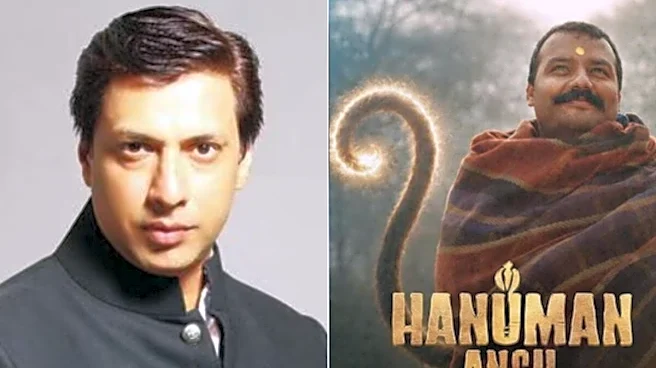
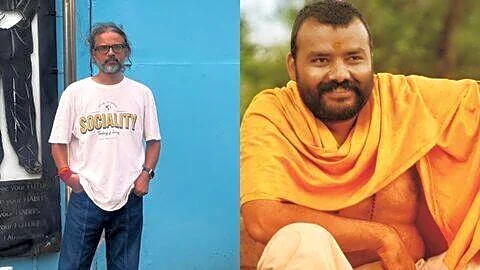
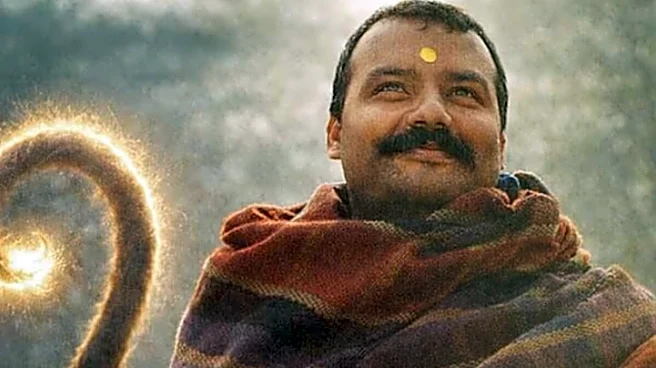
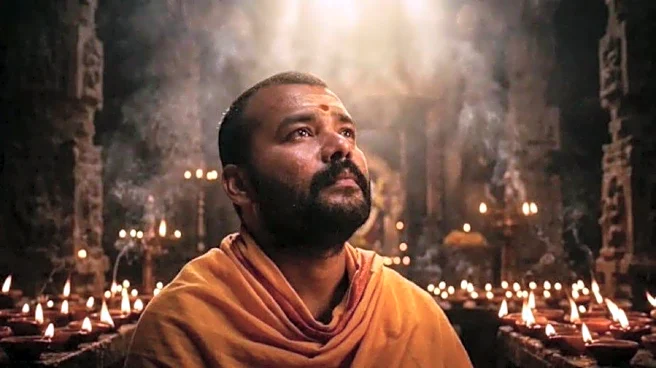
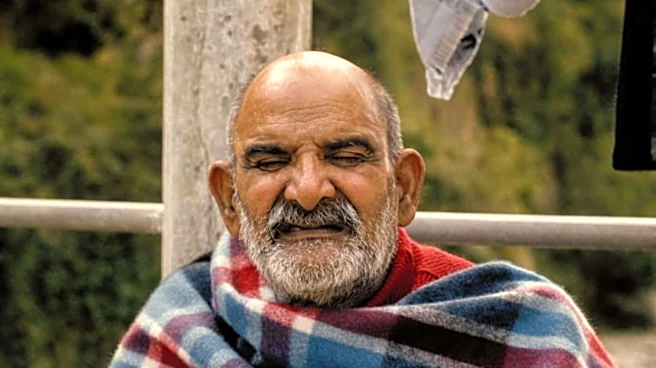
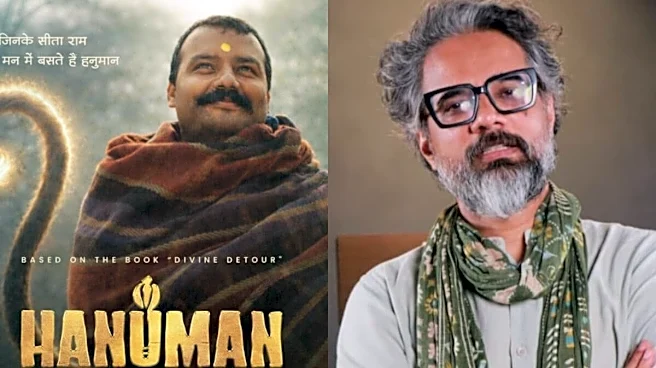
Unbeknownst to the singer at the time, director Vishal Chaturvedi’s production team was searching for an unvarnished devotional texture for Hanuman Ansh, a biographical drama chronicling the early ascetic life of Neem Karoli Baba.
The track’s eventual placement in the film proved serendipitous. As Hanuman Ansh climbed from a humble ₹10 lakh opening day to crossing the ₹50 crore mark through word-of-mouth, 'Maine Tere Hi Bharose' became an organic driver of the film’s grassroots momentum.
Also Read: Neem Karoli Baba: The ascetic who inspired Steve Jobs, Silicon Valley icons, and global celebrities
Armed with an unadorned tambura and an earthy vocal cadence, the visually impaired singer has become the musical soul of the sleeper hit with 'Maine Tere Hi Bharose', a traditional Hanuman hymn.
For over a decade, Lodhi’s musical universe was limited to local religious gatherings, village congregations, and regional trains across the Bundelkhand heartland. His repertoire was steeped in Bundeli folk and traditional devotional poetry, songs passed down orally through generations.
His initial digital footprint grew through local cultural channels like 'Bundeli Duniya', where acoustic recordings of tracks like 'Dula Ban Ke Aa Gai' began circulating among regional listeners. But his true inflexion point arrived with 'More Sankat Ke Kataiya', a stripped-down Hanuman bhajan recorded simply with his voice and his strings. The video crossed over 29 million views and caught the attention of digital filmmaker and producer Pankaj VRK.
Pankaj helped bring the singer from the central Indian plains to Mumbai’s recording circuit at Sai Baba Studio. The objective was to record a slate of traditional hymns in a professional setup while retaining his signature tambura accompaniment.
Unbeknownst to the singer at the time, director Vishal Chaturvedi’s production team was searching for an unvarnished devotional texture for Hanuman Ansh, a biographical drama chronicling the early ascetic life of Neem Karoli Baba.
The track’s eventual placement in the film proved serendipitous. As Hanuman Ansh climbed from a humble ₹10 lakh opening day to crossing the ₹50 crore mark through word-of-mouth, 'Maine Tere Hi Bharose' became an organic driver of the film’s grassroots momentum.
Also Read: Neem Karoli Baba: The ascetic who inspired Steve Jobs, Silicon Valley icons, and global celebrities


/images/ppid_59c68470-image-178836252907720795.webp)