/images/ppid_59c68470-image-178228252730725278.webp)




What is the story about?
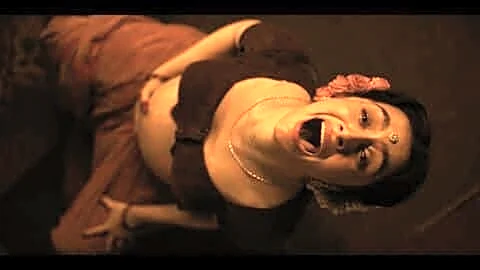
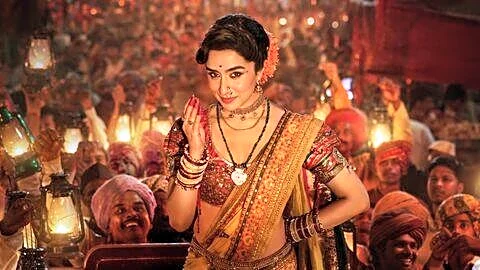
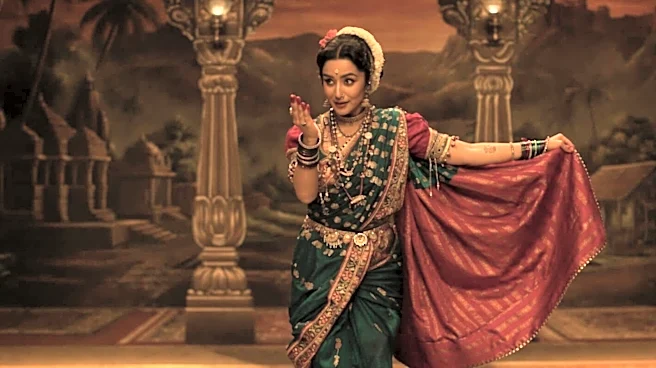
The teaser of Shraddha Kapoor’s upcoming film Eetha, released on Tuesday, has generated significant buzz online for its dramatic portrayal of a folk dancer performing immediately after giving birth. In the teaser, Shraddha is seen playing legendary Maharashtrian folk artiste Vithabai Narayangaonkar. The teaser shows her giving birth and moments later deciding that she would rather die dancing and attain immortality through her art.
Set to release on August 28, the film has already generated significant buzz. Fans are praising Shraddha Kapoor’s transformation in the teaser and eagerly anticipating her portrayal of the iconic artist on the big screen. At the same time, the teaser has sparked renewed interest in Vithabai Narayangaonkar’s life, with many viewers eager to learn more about the legendary Lavani performer.
Who was Vithabai Narayangaonkar?
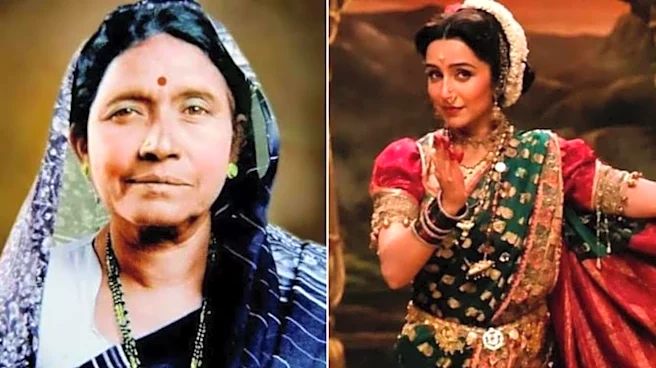
The film draws inspiration from the life of Vithabai Narayangaonkar, the jewel of Maharashtra's folk culture, who was a celebrated Lavani performer.
Born on July 1, 1935, in Pandharpur, Maharashtra, Vithabai Narayangaonkar was introduced to performance and tamasha at a young age, according to Culture Unplugged website.
Her grandfather, Narayan Khude, had established a traditional travelling folk tamasha group that was later managed by her family under the name Bhau-Bapu Mang, Hindustan Times reported.
Vithabai carried forward this legacy, growing up surrounded by Lavani songs, Gavlan performances and other folk traditions. She started performing early to support her family during financial difficulties after her father’s death. Despite a turbulent marriage with Maruti Sawant, she continued performing and brought Lavani and tamasha to wider audiences.
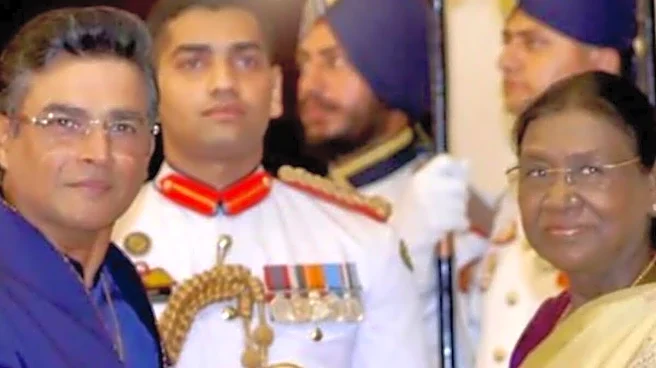
People from across Maharashtra flocked to watch her performances, which blended music, dance and storytelling. Vithabai was a two-time recipient of medals from the President of India (1957 and 1990) for her contributions to folk art, according to the Mid-Day report.
She was widely known as the ‘Tamasha Samradini’ (Tamasha Empress). In her honour, the government instituted the Vithabai Narayangaonkar Lifetime Achievement Award in 2006. She died on January 15, 2002, at the age of 66 after a paralytic attack, HT report added.
Why are makers creating this movie now?
With this biographical drama, the makers hope to introduce Vithabai Narayangaonkar’s life and contribution to Lavani and tamasha to a new generation of viewers.
Additionally, Bollywood’s increasing preference for biographical dramas also reflects a shift in audience mindset as viewers now seek films with greater substance. With this genre of movies, filmmakers are blending raw human struggles with grand theatrical appeal, catering to the growing demand for realistic storytelling and visual spectacle. This was also evident in the box office success of films such as Chhaavaand Dhurandhar, where audiences responded favourably to stories rooted in real-life themes.
Set to release on August 28, the film has already generated significant buzz. Fans are praising Shraddha Kapoor’s transformation in the teaser and eagerly anticipating her portrayal of the iconic artist on the big screen. At the same time, the teaser has sparked renewed interest in Vithabai Narayangaonkar’s life, with many viewers eager to learn more about the legendary Lavani performer.
Who was Vithabai Narayangaonkar?
The film draws inspiration from the life of Vithabai Narayangaonkar, the jewel of Maharashtra's folk culture, who was a celebrated Lavani performer.
Born on July 1, 1935, in Pandharpur, Maharashtra, Vithabai Narayangaonkar was introduced to performance and tamasha at a young age, according to Culture Unplugged website.
Her grandfather, Narayan Khude, had established a traditional travelling folk tamasha group that was later managed by her family under the name Bhau-Bapu Mang, Hindustan Times reported.
Vithabai carried forward this legacy, growing up surrounded by Lavani songs, Gavlan performances and other folk traditions. She started performing early to support her family during financial difficulties after her father’s death. Despite a turbulent marriage with Maruti Sawant, she continued performing and brought Lavani and tamasha to wider audiences.
People from across Maharashtra flocked to watch her performances, which blended music, dance and storytelling. Vithabai was a two-time recipient of medals from the President of India (1957 and 1990) for her contributions to folk art, according to the Mid-Day report.
She was widely known as the ‘Tamasha Samradini’ (Tamasha Empress). In her honour, the government instituted the Vithabai Narayangaonkar Lifetime Achievement Award in 2006. She died on January 15, 2002, at the age of 66 after a paralytic attack, HT report added.
Why are makers creating this movie now?
With this biographical drama, the makers hope to introduce Vithabai Narayangaonkar’s life and contribution to Lavani and tamasha to a new generation of viewers.
Additionally, Bollywood’s increasing preference for biographical dramas also reflects a shift in audience mindset as viewers now seek films with greater substance. With this genre of movies, filmmakers are blending raw human struggles with grand theatrical appeal, catering to the growing demand for realistic storytelling and visual spectacle. This was also evident in the box office success of films such as Chhaavaand Dhurandhar, where audiences responded favourably to stories rooted in real-life themes.
/images/ppid_59c68470-image-178245502577798787.webp)
/images/ppid_a911dc6a-image-178221052278251522.webp)

/images/ppid_a911dc6a-image-178221059772332699.webp)

/images/ppid_a911dc6a-image-178221055826837226.webp)