/images/ppid_59c68470-image-178981005703391187.webp)

What is the story about?
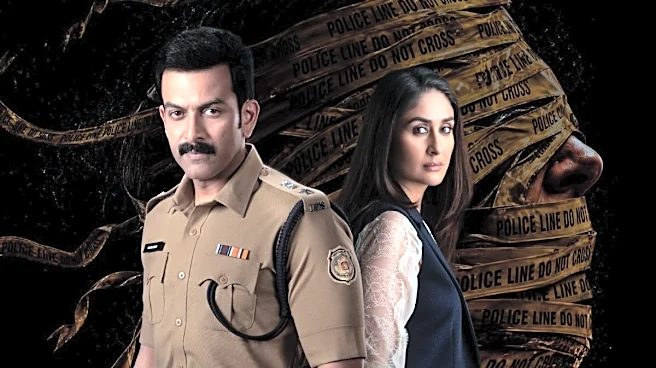
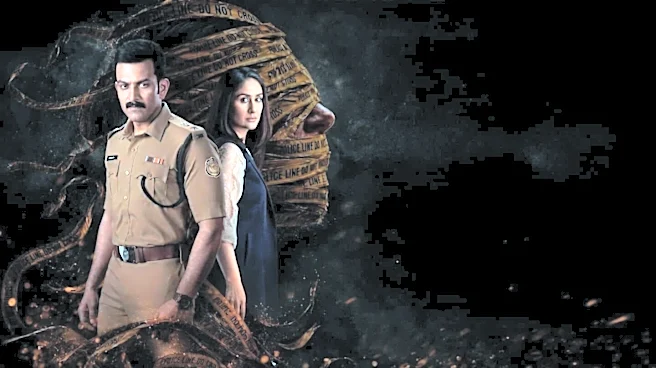
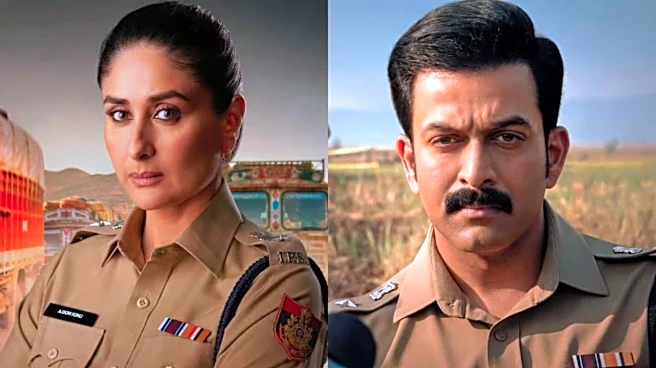
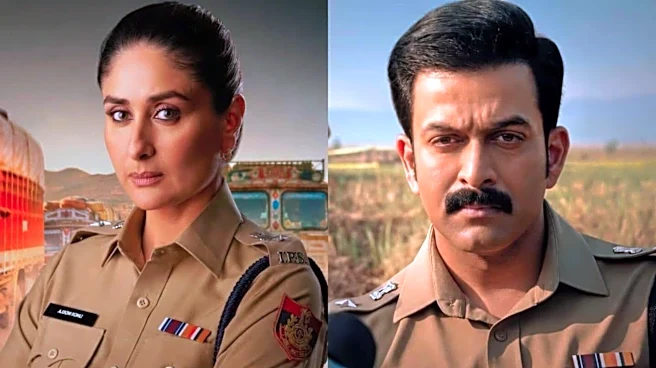
With Daayra, a police procedural starring Prithviraj Sukumaran and Kareena Kapoor Khan as two officers on warring sides of a high-stakes investigation, Meghna Gulzar’s filmography comes full circle.
Since 2015, the 52-year-old filmmaker has been compulsively excavating the human cost of headlines. Whether it be Talvar, Raazi, Chhapaak, Sam Bahadur, or now Daayra, Gulzar has been obsessed with telling stories of individuals wading through murky waters, navigating structures larger than themselves under extraordinary circumstances.
In each of her films, the setting changes but the central tension does not. In Talvar (2015), the premise was the infamous 2008 Noida double murder case revolving around the mysterious killings of the 13-year-old Aarushi Talwar and her house-help Hemraj. Written by Vishal Bhardwaj, the crime thriller’s Rashomon-like structure helped Meghna put forward multiple perspectives and perceived truths that kept changing depending on who was telling the story. Even after 18 years, several botched investigations and judicial hearings, the case remains unresolved.
Raazi (2018), adapted from Harinder Sikka's 2008 spy-thriller novel Calling Sehmat, tried to decode the moral underpinnings of espionage by juxtaposing personal relationships alongside patriotism. Starring Alia Bhatt and Vicky Kaushal in career-defining roles, it dared to address what Hindi cinema is usually too tame to even consider—the emotional toll of nationalism and the wounds that even the shiniest of medals cannot heal.
Then came Chhapaak (2020), based on acid-attack survivor Laxmi Agarwal. With Deepika Padukone at its tense centre, the biographical drama turned into a story about law, identity, survival and rehabilitation in Gulzar’s able hands rather than becoming yet another simplistic or sensationalised take on victimhood surrounding a high-profile incident.
With Sam Bahadur (2023), her most ambitious film yet about the decorated Field Marshal Sam Manekshaw, the setting changed again but the underlying inquiry remained the same—what does duty mean when personal judgment, institutional expectations and public pressure pull a person in all directions?
Out in cinemas this Friday, Daayra extends Gulzar’s perpetual investigation of the grey that makes and surrounds us. Revolving around the blood-curdling 2019 Hyderabad rape case, the film brings to the fore once again the uncomfortable, messy space that exists between what we believe is true and what we are willing to do because of our faith in that belief.
Like filmmaker Anubhav Sinha, who found his voice with social dramas in the second act of his career (Mulk, Article 15, Thappad, Bheed) after genre hopping for a while, Meghna too seems to have found her calling in decoding the people, the horror, the systemic apathy, and the moral ambiguities that surround a front-page headline after having tried her hand at relationship dramas early in her career (Filhaal, Just Married).
In her films, the act of crime is never the story; it’s the starting point that often leads her down a path riddled with difficult choices, disturbing truths, and differing perspectives, all of which she brings to the screen with an almost academic precision.
Prithviraj Sukumaran talked about it in an interview with The Hollywood Reporter India ahead of Daayra ’s release. He said, "As a filmmaker, Meghna [Gulzar] has to be very objective. Because Daayra is a film where the filmmaker should only play mediator and be equally objective about either side of the perspective. The filmmaker cannot take a side."
In a cinema notoriously infamous for accentuating, celebrating binaries and force-feeding value judgements, this is a rather difficult position to maintain even for a filmmaker as "dispassionately passionate" as Meghna Gulzar. So far, she has been largely successful in keeping a clinical distance, posing questions and not providing ready, easy answers.
Also Read: 'Daayra' review: Prithviraj Sukumaran outshines Kareena Kapoor in Meghna Gulzar's cop-vs-cop thriller
Since 2015, the 52-year-old filmmaker has been compulsively excavating the human cost of headlines. Whether it be Talvar, Raazi, Chhapaak, Sam Bahadur, or now Daayra, Gulzar has been obsessed with telling stories of individuals wading through murky waters, navigating structures larger than themselves under extraordinary circumstances.
In each of her films, the setting changes but the central tension does not. In Talvar (2015), the premise was the infamous 2008 Noida double murder case revolving around the mysterious killings of the 13-year-old Aarushi Talwar and her house-help Hemraj. Written by Vishal Bhardwaj, the crime thriller’s Rashomon-like structure helped Meghna put forward multiple perspectives and perceived truths that kept changing depending on who was telling the story. Even after 18 years, several botched investigations and judicial hearings, the case remains unresolved.
Raazi (2018), adapted from Harinder Sikka's 2008 spy-thriller novel Calling Sehmat, tried to decode the moral underpinnings of espionage by juxtaposing personal relationships alongside patriotism. Starring Alia Bhatt and Vicky Kaushal in career-defining roles, it dared to address what Hindi cinema is usually too tame to even consider—the emotional toll of nationalism and the wounds that even the shiniest of medals cannot heal.
Then came Chhapaak (2020), based on acid-attack survivor Laxmi Agarwal. With Deepika Padukone at its tense centre, the biographical drama turned into a story about law, identity, survival and rehabilitation in Gulzar’s able hands rather than becoming yet another simplistic or sensationalised take on victimhood surrounding a high-profile incident.
With Sam Bahadur (2023), her most ambitious film yet about the decorated Field Marshal Sam Manekshaw, the setting changed again but the underlying inquiry remained the same—what does duty mean when personal judgment, institutional expectations and public pressure pull a person in all directions?
Out in cinemas this Friday, Daayra extends Gulzar’s perpetual investigation of the grey that makes and surrounds us. Revolving around the blood-curdling 2019 Hyderabad rape case, the film brings to the fore once again the uncomfortable, messy space that exists between what we believe is true and what we are willing to do because of our faith in that belief.
Like filmmaker Anubhav Sinha, who found his voice with social dramas in the second act of his career (Mulk, Article 15, Thappad, Bheed) after genre hopping for a while, Meghna too seems to have found her calling in decoding the people, the horror, the systemic apathy, and the moral ambiguities that surround a front-page headline after having tried her hand at relationship dramas early in her career (Filhaal, Just Married).
In her films, the act of crime is never the story; it’s the starting point that often leads her down a path riddled with difficult choices, disturbing truths, and differing perspectives, all of which she brings to the screen with an almost academic precision.
Prithviraj Sukumaran talked about it in an interview with The Hollywood Reporter India ahead of Daayra ’s release. He said, "As a filmmaker, Meghna [Gulzar] has to be very objective. Because Daayra is a film where the filmmaker should only play mediator and be equally objective about either side of the perspective. The filmmaker cannot take a side."
In a cinema notoriously infamous for accentuating, celebrating binaries and force-feeding value judgements, this is a rather difficult position to maintain even for a filmmaker as "dispassionately passionate" as Meghna Gulzar. So far, she has been largely successful in keeping a clinical distance, posing questions and not providing ready, easy answers.
Also Read: 'Daayra' review: Prithviraj Sukumaran outshines Kareena Kapoor in Meghna Gulzar's cop-vs-cop thriller