


A Home Rooted in Family
Shaan's Mumbai triplex is more than just a residence; it's a testament to the profound connection between family and dwelling. The design philosophy prioritizes
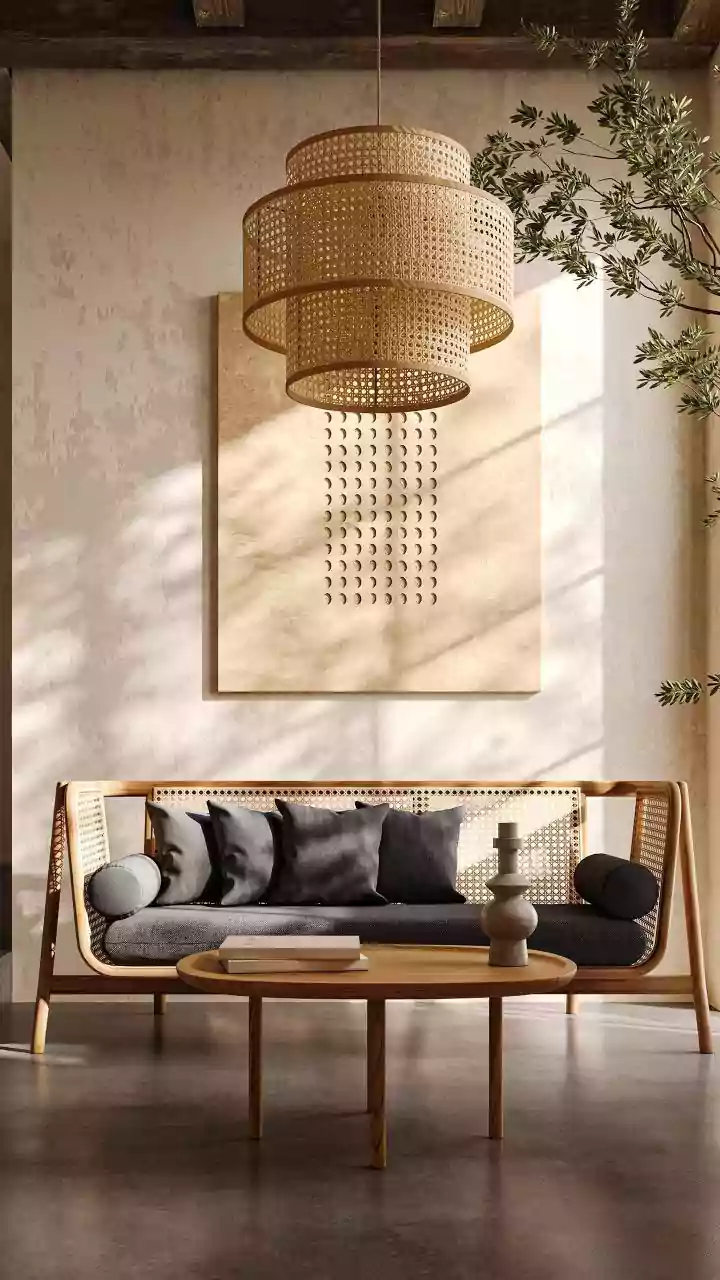
creating an atmosphere where familial bonds flourish, evident in the home's layout featuring cozy nooks and an open dining area designed to foster togetherness. This sentiment is beautifully encapsulated by a quote displayed within the house: “Family makes this house a home.” The triplex structure itself aids this rhythm, with distinct levels serving different emotional and functional purposes, as Shaan explains. This thoughtful arrangement ensures that the home caters to both the creative demands of his profession and the comforting embrace of family life, making it a space that feels deeply lived-in and cherished rather than merely decorated.
Radhika's Design Touch
The distinctive personality of Shaan's home is largely attributable to the interior design vision of his wife, Radhika Mukherjee. Her aesthetic sensibility has been instrumental in shaping the space into a harmonious blend of professional functionality and personal warmth. Farah Khan, during her tour, directly acknowledges Radhika's significant contribution, praising the stunning job she has done. What's particularly compelling is the home's dynamic nature; it's not a static environment but one that embraces change. Their son humorously points out the constant evolution, stating, “Very complicated. Because mom is always changing something in the house.” This ongoing adaptation signifies a space that is alive and responsive to the family's needs and preferences, reflecting a commitment to an evolving sense of home rather than an adherence to a fixed ideal.
Creativity in Comfort
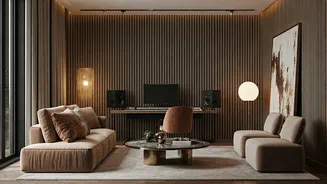
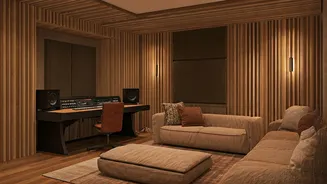
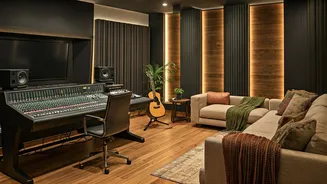
Shaan's triplex seamlessly integrates creative endeavors into the fabric of daily life. The presence of a dedicated music studio for Shaan and his sons underscores the home's dual role as a creative hub and a personal sanctuary. Beyond the professional workspaces, casual areas are thoughtfully designed to blur the lines between work and relaxation, allowing for an organic flow between different activities. This environment fosters a unique synergy where artistic pursuits and personal rejuvenation coexist harmoniously. The design encourages a lifestyle where inspiration can strike at any moment, supported by a comfortable and adaptable setting that caters to both focused work sessions and moments of leisure, making the home a truly dynamic and inspiring place to live and create.
The Psychology of Home
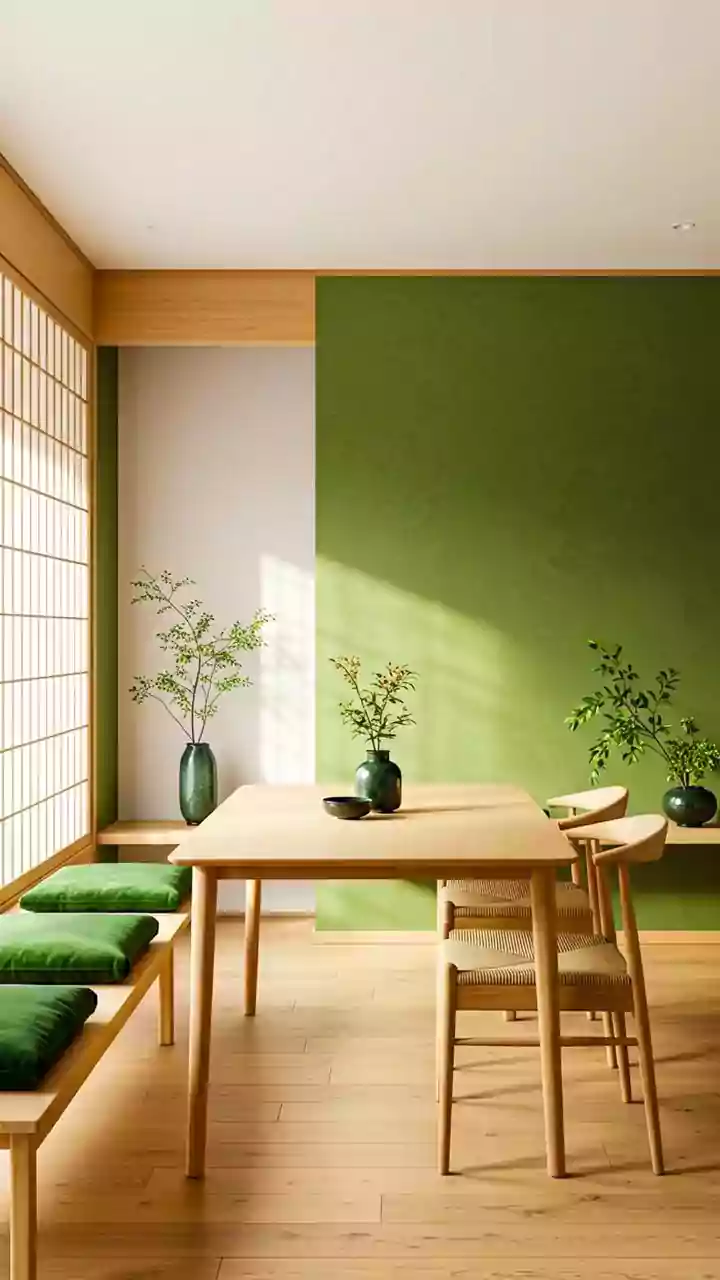
Sonal Khangarot, a licensed rehabilitation counsellor and psychotherapist, sheds light on the psychological impact of home environments. She explains that spaces prioritizing warmth, earthy tones, and shared family areas cultivate a profound sense of safety, both sensorially and emotionally. Colors drawn from nature, such as browns and muted greens, are perceived by the brain as familiar and non-threatening, which aids in regulating the nervous system and reducing stress. The importance of shared spaces is also highlighted; when families naturally gather in common areas, it fosters increased opportunities for connection, building predictability and a sense of belonging, crucial for emotional security. Furthermore, warm lighting and softer textures contribute to reduced sensory overstimulation, enabling individuals to relax more effectively, conditioning the mind to associate home with calm and restoration.
Embracing Change at Home
From a psychological perspective, the constant evolution of a home can be a double-edged sword, offering stimulation while potentially causing destabilization. Khangarot notes that moderate, intentional changes, like rearranging furniture or updating decor, can boost mental stimulation, foster creativity, and instill a sense of renewal, activating the brain's reward system and improving mood. However, excessive or inconsistent changes can disrupt an individual's internal sense of stability, as humans rely on environmental cues for grounding. A constantly shifting space can subtly signal unpredictability, potentially leading to restlessness or anxiety, especially for those sensitive to change. The key, she emphasizes, lies in achieving a balance – maintaining stable 'emotional anchors' like familiar corners or personal objects while allowing for periodic updates. This approach ensures the home remains both engaging and reassuring, supporting psychological comfort without sacrificing essential stimulation.