






Budget 2026: Overview
The Railway Budget 2026 places a heavy emphasis on bolstering the railway infrastructure and improving operational efficiency across the Indian railway network.
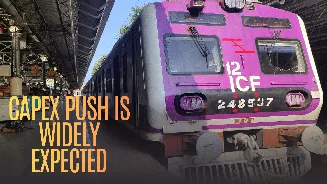
A core component of the budget is the strategic allocation of capital expenditure (capex). This signifies a strong commitment to investing in the future of railways. The primary focus is directed towards the enhancement of safety measures. Furthermore, it incorporates provisions to modernise rolling stock, which will improve the passenger experience. Another major aspect of the budget involves the construction of new railway lines, to widen the reach and scope of the rail network. Electrification of railway lines is also a key objective.
Safety First Initiatives
Safety emerges as a paramount concern in the Railway Budget 2026. The budget aims to introduce several measures to reduce the number of accidents and enhance passenger safety. It also includes investments in advanced signaling systems, aimed at preventing collisions. Track maintenance and inspection processes will see substantial upgrades, to ensure that the infrastructure is always in top condition. Additional safety protocols and training programs for railway personnel are included. This demonstrates a proactive approach to prevent accidents and protect railway passengers. The upgrades seek to build a robust and safe rail network.
Rolling Stock Modernization
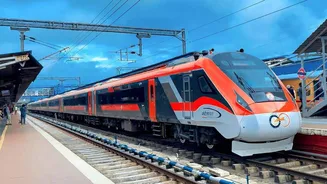
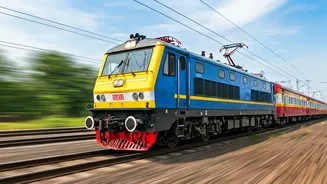
To improve the travelling experience, the Railway Budget 2026 prioritises the modernisation of the rolling stock. This encompasses the replacement of older coaches and locomotives with modern versions. The modernised coaches are expected to include improved features to enhance passenger comfort and convenience. The budget also allocates funds for the procurement of high-speed trains. This will reduce travel times and offer a premium travel experience to the passengers. Maintenance facilities will also see upgrades. The goal of this modernisation is to provide comfortable and modern travel experiences.
New Lines and Expansion
The Railway Budget 2026 puts substantial emphasis on extending the reach of the rail network through the construction of new railway lines. This initiative will not only connect remote areas but also encourage economic growth. A crucial element of this expansion is infrastructure development, with a focus on building new tracks and railway stations. The budget also outlines plans for the integration of railway networks with other modes of transportation. This is in hopes of making travel more convenient and accessible. The expansion strategy signifies an ambitious plan to boost the railway network's scope and ability to service people across the country.
Electrification Drive
The Railway Budget 2026 highlights the ongoing effort of the electrification drive across the Indian railway network. This includes accelerating the conversion of diesel-powered tracks to electric traction. This shift is a calculated move to reduce carbon emissions and promote environmental sustainability. Electrification drives aim to lessen the dependency on fossil fuels. The initiative also seeks to lower operational costs, thereby improving the efficiency of the railways. Electrification of the Indian railways showcases a commitment to environmental responsibility.
Capex Allocation Strategy
The success of the Railway Budget 2026 depends on strategic capex allocation, which is at the heart of the budget's effectiveness. The budget prioritizes the allocation of resources to infrastructure improvements, ensuring the railway network is future-proofed. Investment is directed to safety measures. There is funding allocated to modernising the rolling stock, increasing the passenger experience. The effective management of funds will dictate the success of these programs. Monitoring and evaluation procedures will be implemented to make sure resources are allocated effectively. This budget allocates funds to propel the growth of the Indian Railways.