
A Groundbreaking Partnership
The India-EU FTA represents a major step forward, aiming to consolidate the economic strengths of both India and the European Union. This agreement is particularly
noteworthy as it unites the world’s fourth-largest and second-largest economies, respectively. The official announcement of the trade deal, described as the 'Mother of All Deals', signals a strategic alignment between these two significant democratic powers. Prime Minister Narendra Modi, along with European Council President Antonio Costa and European Commission President Ursula von der Leyen, emphasized the significance of this new partnership. The formal signing, however, is anticipated to take at least six months, showing the complexity involved in finalizing such a comprehensive agreement.
Market Access Expansion
A core aspect of the India-EU FTA is the increased market access it provides. The agreement grants preferential entry to over 99% of Indian exports into the EU market. This means reduced tariffs and easier access for a wide array of Indian goods, which include textiles, electronics, gems and jewelry, chemicals, and pharmaceuticals. This expanded access is expected to significantly boost exports, create more jobs, and enhance the competitiveness of Indian businesses. The advantage isn't just for large corporations; MSMEs (Micro, Small, and Medium Enterprises) are also set to gain significantly from this increased market reach. The deal aims to enhance the ease of doing business and encourage greater trade volumes between the two regions, thereby fueling economic growth and fostering deeper economic integration.
Sectoral Benefits Unveiled
The FTA's benefits are spread across various sectors, creating a ripple effect across the Indian economy. The textile and footwear industries can anticipate increased demand in the EU market due to reduced tariffs, potentially leading to more production and job creation. The electronics sector, too, stands to gain, with the potential for more affordable components and greater export opportunities. Similarly, the gems and jewelry sector, known for its intricate designs and craftsmanship, will gain wider access to European consumers. Moreover, the pharmaceuticals sector can expect to benefit from streamlined trade processes and reduced import duties, which can make medicines more accessible and competitive. These gains are expected to invigorate various regional economies, helping in sustainable growth and economic diversification across India.
Impact on Consumers
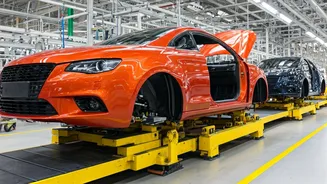
Indian consumers are also slated to benefit from the India-EU FTA, with the potential for lower prices on a range of imported goods. The reduction in tariffs is likely to make products such as automobiles, including luxury brands like BMW, Lamborghini, and Porsche, more affordable. Beyond cars, the agreement is expected to lower costs on other imported items. This increased affordability can lead to a rise in consumer spending and contribute to a higher standard of living. This positive effect will be visible throughout the country, from urban centers to more rural regions. The FTA's goal is to create a win-win scenario, where both businesses and consumers can realize substantial benefits, thereby driving overall economic prosperity.