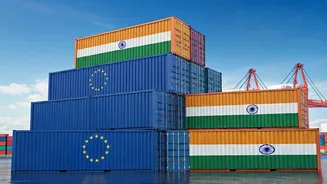

The Deal Unveiled
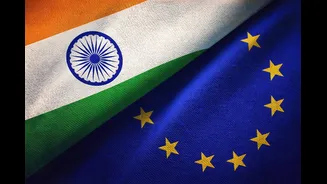
The European Union's chief has proclaimed an upcoming 'historic trade agreement' with India, hinting at a significant shift in the economic landscape.
While the precise details of the deal have yet to be fully revealed, the agreement signifies an attempt to foster closer economic ties between the EU and India. Such a deal would likely encompass various facets of trade, potentially including tariffs, market access, and investment strategies. The anticipation surrounding the agreement underscores the significance of the EU-India relationship and its implications for global trade dynamics. This announcement reflects a shared vision between the EU and India to strengthen their economic collaboration and boost mutual growth. The specifics of the deal will shape how businesses and consumers in both regions interact economically.
Economic Benefits Outlined
A trade agreement between the EU and India holds the promise of numerous economic benefits for both sides. For India, increased market access to the EU could stimulate export growth, opening doors for Indian businesses to reach a wider customer base. This expanded access could promote job creation and boost overall economic development. Simultaneously, the agreement could lead to an influx of foreign investment into India, improving infrastructure and technological capabilities. For the EU, such a trade deal presents opportunities to tap into the burgeoning Indian market. It offers EU businesses greater access to Indian consumers and supports their expansion strategies in the region. The deal might also facilitate the diversification of supply chains, strengthening the EU's economic resilience. The collaboration would foster a conducive environment for innovation and foster stronger economic partnerships between the two entities.
Potential Impact Areas
Several key areas are likely to be affected by the EU-India trade agreement. One of the primary areas is market access, which may lead to reduced tariffs and fewer trade barriers. This means easier and cheaper access for goods and services to flow between the two entities. Investment flows are also expected to increase, as the agreement may include provisions to protect investments and streamline procedures. Additionally, intellectual property rights will likely be reinforced, encouraging innovation and safeguarding businesses. These measures would create a more stable and predictable environment for businesses operating in both India and the EU, reducing risks and boosting confidence. Trade in specific sectors such as manufacturing, technology, and services might be significantly impacted, offering new opportunities for growth and collaboration.
Road Ahead and Challenges
As the EU and India move closer to finalizing their trade agreement, several steps lie ahead. The finalization of the deal will require extensive negotiations, focusing on resolving outstanding issues and reaching consensus on key aspects. Legal reviews and approvals will follow, ensuring the agreement aligns with the regulations of both sides. Implementing the agreement will be crucial, involving both the establishment of new institutional frameworks and the harmonization of trade-related policies. The success of the agreement will hinge on overcoming potential challenges, like differing regulatory standards and the protection of domestic industries. Sustaining the agreement over the long term needs ongoing dialogue and adjustments to address the evolving trade environment. Successful implementation will require collaboration, communication, and a shared commitment to its underlying principles.