






Changing Apartment Designs
The construction trends in Bengaluru are witnessing a decline in the size and availability of balconies in new apartments. Real estate brokers have observed
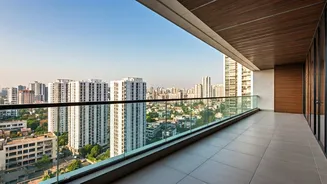
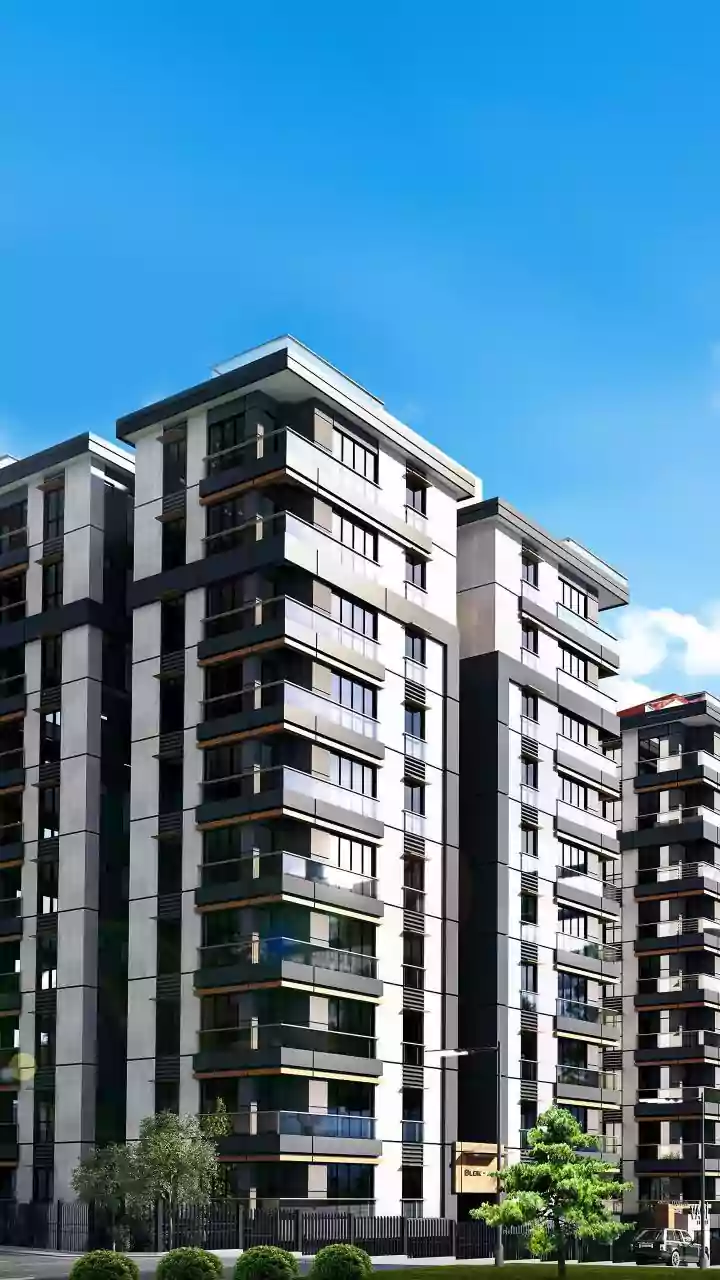
that apartments, which were once designed with two generously sized balconies, are now increasingly featuring only one, often limited to the master bedroom. Furthermore, the dimensions of these existing balconies have been reduced. This shrinking of balcony space is apparent in the reduction of average sizes, which have decreased from around 12x6 feet to approximately 11x4 feet, representing a decrease of nearly 10% in usable space. This change reflects the broader evolution of urban housing design, where developers prioritize efficiency and maximize built-up areas to meet growing demand and cost pressures. Thus, the very essence of a home is changing.
Cost Implications and Premiums
Cost considerations play a significant role in the diminishing size or absence of balconies in Bengaluru apartments. It's often the case that units with balconies command a premium in the market. A price surge of 10–15% is common for apartments with balconies in the city. In Grade A projects located on the outskirts of Bengaluru, homes that offer two balconies can be priced around Rs 3 crore, while units with a single balcony typically start at approximately Rs 2 crore. Central Bengaluru, which faces greater space limitations and stricter regulations, has seen balconies frequently excluded from designs. This shift significantly impacts the affordability and value proposition for homebuyers, leading to adjustments in their expectations and preferences concerning living spaces.
Shifting Perceptions of Space
There's also a shift in how urban living is perceived, as the role of balconies evolves. Previously, balconies were practical spaces for tasks like drying clothes or storing household items, but now they are presented as aspirational lifestyle extensions. Developers promote them as private outdoor retreats, appealing to buyers who are willing to pay extra for open spaces within dense city environments. This marketing strategy taps into the desire for a better quality of life. Middle-income homebuyers, however, find the shrinking or absence of balconies frustrating, especially in the context of rising property prices and reduced carpet area. This evolving perspective shapes the desires and requirements of potential homeowners in the city.
Future of Open Spaces
As Bengaluru continues its vertical growth, and land availability diminishes, balconies are predicted to maintain their status as luxury features rather than standard amenities. Developers are adapting to tighter regulations and rising costs. Open spaces within apartments are anticipated to become even rarer, cementing the notion that fresh air and open areas now come at a premium in the city's housing market. Consequently, homebuyers face the challenge of reconciling their preferences for open spaces with the economic and regulatory constraints of urban development. This dynamic may lead to innovative design solutions or alternative forms of open space provision in the future, as the city navigates the challenges of creating a balance between efficiency and quality of life.