


The Onion Debate
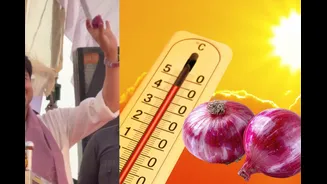
A recent viral trend saw Union Minister Jyotiraditya Scindia suggest carrying a raw onion in one's pocket as a remedy against the scorching heatwaves gripping
India. While speaking at an event, he shared this traditional tip, attributing it to age-old wisdom and even linking it to Ayurvedic practices. He humorously noted how even in 51-degree Celsius heat, this simple measure, along with avoiding air conditioning, helps him cope. However, this advice sparked considerable discussion, prompting a closer look at its medical validity and prompting experts to weigh in on the actual science behind preventing heat-related illnesses.
Expert Verdict: Onion's Efficacy
Medical professionals have largely dismissed the efficacy of carrying an onion for heatstroke prevention. Dr. Aniket Mule, a consultant in internal medicine, explicitly stated that there is no scientific evidence to support this claim. Heatstroke, he explained, occurs when the body's temperature regulation mechanisms fail due to prolonged exposure to extreme heat, insufficient hydration, or strenuous physical activity. An onion, whether in a pocket or not, does not influence these physiological processes. While Ayurveda expert Stuti Ashok Gupta acknowledged onions' cooling properties within a dietary context, she emphasized that their benefits in traditional medicine are primarily through consumption and digestion, not through external application or symbolic gestures.
Proven Heatwave Strategies
Instead of relying on unverified remedies, experts stress the importance of adopting scientifically validated practices to combat heatwaves. Consistent hydration is paramount; drinking water regularly is crucial, and oral rehydration solutions can help replenish electrolytes lost through heavy sweating. Minimizing direct sun exposure, particularly between 12 PM and 4 PM, significantly reduces risk. Wearing loose-fitting, light-coloured, and breathable clothing aids the body's natural cooling process by allowing heat to dissipate more effectively. These simple yet crucial habits are the bedrock of effective heat management.
Recognizing Danger Signs
Being aware of the early indicators of heat-related distress is as vital as preventative measures. Symptoms such as dizziness, fatigue, nausea, headaches, or confusion should never be ignored. Prompt recognition and immediate action can prevent a mild heat-related issue from escalating into a life-threatening condition like heatstroke. Ultimately, safeguarding oneself from the perils of extreme heat hinges on a multi-faceted approach: maintaining optimal hydration levels, consciously limiting exposure to high temperatures, and diligently addressing any emergent symptoms without delay.
Ayurvedic & Lifestyle Support
Beyond immediate medical advice, Ayurvedic principles and mindful lifestyle choices offer further support during hot weather. Ayurveda encourages the consumption of cooling beverages like buttermilk and coconut water, alongside traditional preparations such as ragi ambli. Incorporating seasonal fruits and vegetables like cucumber, watermelon, ash gourd, and leafy greens into one's diet can also help the body stay balanced. Onions themselves, when part of a meal, contribute to this cooling effect. Furthermore, adopting sensible lifestyle habits, such as avoiding the harsh afternoon sun, opting for lighter meals, and planning strenuous activities for cooler parts of the day, significantly enhances the body's resilience against the heat.