






High-Speed Rail Boost
One of the prominent features of the 2026 Budget is the significant push for high-speed rail infrastructure. The budget allocates substantial funds to
enhance and expand the railway network across the country. This investment is aimed at improving connectivity and boosting economic activities. The high-speed rail projects will not only reduce travel times but also facilitate the movement of goods, thereby reducing logistics costs. This initiative is expected to drive economic growth and create new employment opportunities. Furthermore, the focus on modernizing rail infrastructure aligns with the government's broader vision of developing a world-class transportation network.
Pharma Sector Leap
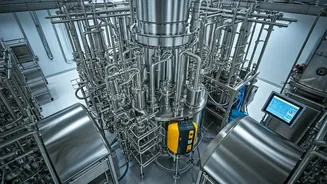
The 2026 Budget includes a significant commitment to the pharmaceutical sector. A major initiative, BioPharma SHAKTI, has been allocated ₹10,000 crore. This investment is designed to promote innovation and growth within the pharmaceutical industry. The budget also plans to establish 1,000 clinical trial sites across India, boosting research and development capabilities. This emphasis on the pharma sector aims to make India a global leader in pharmaceutical innovation and manufacturing, enhancing access to affordable healthcare solutions. The budget initiatives support advancements in drug discovery, clinical trials, and manufacturing processes, further establishing India's position in the global healthcare market.
Tax Confidence: AI Leap
The Budget 2026 underscores India's tax confidence by embracing advancements in Artificial Intelligence (AI). The integration of AI in tax systems is designed to improve efficiency and reduce compliance costs. This step reflects the government's commitment to modernizing tax administration and reducing the burden on taxpayers. AI will assist in streamlining processes, detecting errors, and enhancing overall transparency. The use of AI also helps in improving data analysis and decision-making within the tax department. The shift towards AI-driven tax systems aligns with the broader goal of building a robust and efficient tax infrastructure.
Tourism Push Ahead
A notable aspect of the 2026 Budget is the strong emphasis on promoting tourism. The budget includes targeted initiatives and financial allocations to boost the tourism sector. This emphasis is linked to the recognition of tourism as a key driver of economic growth and job creation. The government is focusing on developing tourist infrastructure, improving connectivity to tourist destinations, and promoting India’s rich cultural heritage. These measures are designed to attract more tourists, both domestic and international, thereby boosting local economies. The push towards tourism aligns with the goal of creating a more vibrant and diverse economy.
STT Hike Concerns
Market experts have expressed concerns about the potential impact of an increase in Securities Transaction Tax (STT) outlined in the Budget 2026. The increase is viewed as likely to affect high-frequency traders. These traders are significant participants in the stock market and contribute to liquidity. Any changes in STT can directly impact their trading strategies and profitability. The increase in STT may also influence overall market sentiment and could lead to adjustments in trading behavior. Experts are closely monitoring the impact of this measure on market participants and overall trading activity.
Rare Earth Self-Reliance
The 2026 Budget underscores a razor-sharp focus on achieving self-reliance in the area of rare earth materials. Subhrakant Panda highlighted the strategic importance of this sector. The push for self-reliance in rare earth materials is linked to the goal of reducing reliance on external sources and strengthening India's strategic autonomy. Investments in exploring and processing rare earth elements are crucial for various high-tech industries. The focus on this area highlights the government’s commitment to building a resilient and self-sufficient economy, reducing dependence on imports, and enhancing domestic manufacturing capabilities in strategically vital sectors.