



The Metallic Mystery
That surprising metallic taste from your trusty steel water bottle can be a real palate disruptor, leaving you questioning the water's purity and your bottle's
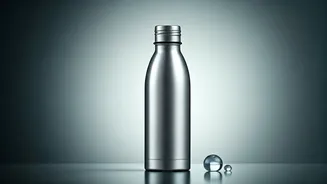
integrity. While it might seem alarming, this flavor anomaly is frequently less about the water itself and more about the construction and maintenance of your vessel. According to experts, the primary driver behind this metallic sensation is often linked to the calibre of stainless steel employed in the bottle's manufacturing or the precision of its internal finishing. Not all stainless steel is created equal; higher-grade alloys, specifically those designated as 304 or 316, are engineered for superior resistance to corrosion and chemical interactions. These grades are less prone to releasing compounds that could subtly alter the taste of your drinking water. Conversely, less expensive bottles might utilize inferior steel or possess interior surfaces that haven't been meticulously polished. Over extended periods of contact with moisture, fluctuating temperatures, or even acidic liquids like citrus-infused water, the internal lining of these lower-quality bottles can experience minor reactions, leading to the infiltration of that undesirable metallic essence into your beverage.
Layer Logic Clarified
Many consumers assume that insulated, double-layered steel bottles offer an inherent advantage in terms of safety and taste preservation compared to their single-walled counterparts. However, this assumption isn't entirely accurate. The presence of two layers or advanced insulation technology does not, in itself, guarantee that the water within is chemically safer or will taste better. The paramount factor determining water safety remains the grade of stainless steel utilized in the bottle's construction, irrespective of whether it's a single or double-layered design. While not directly impacting chemical safety, the insulation provided by double-layered bottles does confer an indirect but significant benefit regarding hygiene. By effectively regulating temperature and shielding the contents from external heat, these bottles help maintain water at a cooler temperature for extended durations. This is particularly crucial because water that remains at warmer temperatures for prolonged periods can become a more conducive environment for microbial proliferation, especially in warmer climates. Therefore, in practical terms, insulated bottles can contribute to a more hygienic drinking experience and enhance overall satisfaction, particularly for individuals who carry their water throughout the day.
Ensuring Pure Sips
To proactively circumvent that unpleasant metallic aftertaste and ensure your steel water bottle consistently delivers a clean, refreshing drinking experience, adopting a few key practices is essential. The foremost recommendation is to prioritize purchasing bottles manufactured from high-grade stainless steel, specifically types 304 or 316, as these materials are inherently more stable and less likely to impart flavors. Furthermore, it's advisable to avoid prolonged storage of acidic beverages, such as lemonades or fruit juices, within your steel bottle, as their acidity can accelerate potential reactions with the inner surface over time. Regular and thorough cleaning is non-negotiable; utilize mild soap and water for washing, and always ensure the bottle is allowed to air dry completely between uses to prevent moisture buildup. Finally, remain vigilant for any signs of degradation on the bottle's interior. Should you observe any rust spots, pitting, or a persistent, unidentifiable odor that regular cleaning cannot eradicate, it is prudent to replace the bottle to guarantee the purity and safety of your water.