
Deal's Genesis
The narrative begins with a glimpse into the initial stages of the India-US trade deal. The US Commerce Secretary played a crucial role in the deal's inception.
They were involved in setting up the agreement, which was intended to bolster the economic relationship between the two nations. However, the Secretary's involvement was in setting up the deal, not directly involving the Prime Minister in the communication process. This information underscores the preparatory phase and the strategic planning involved, setting the scene for subsequent events and the ultimate conclusion of the deal.
Missing Prime Ministerial Call
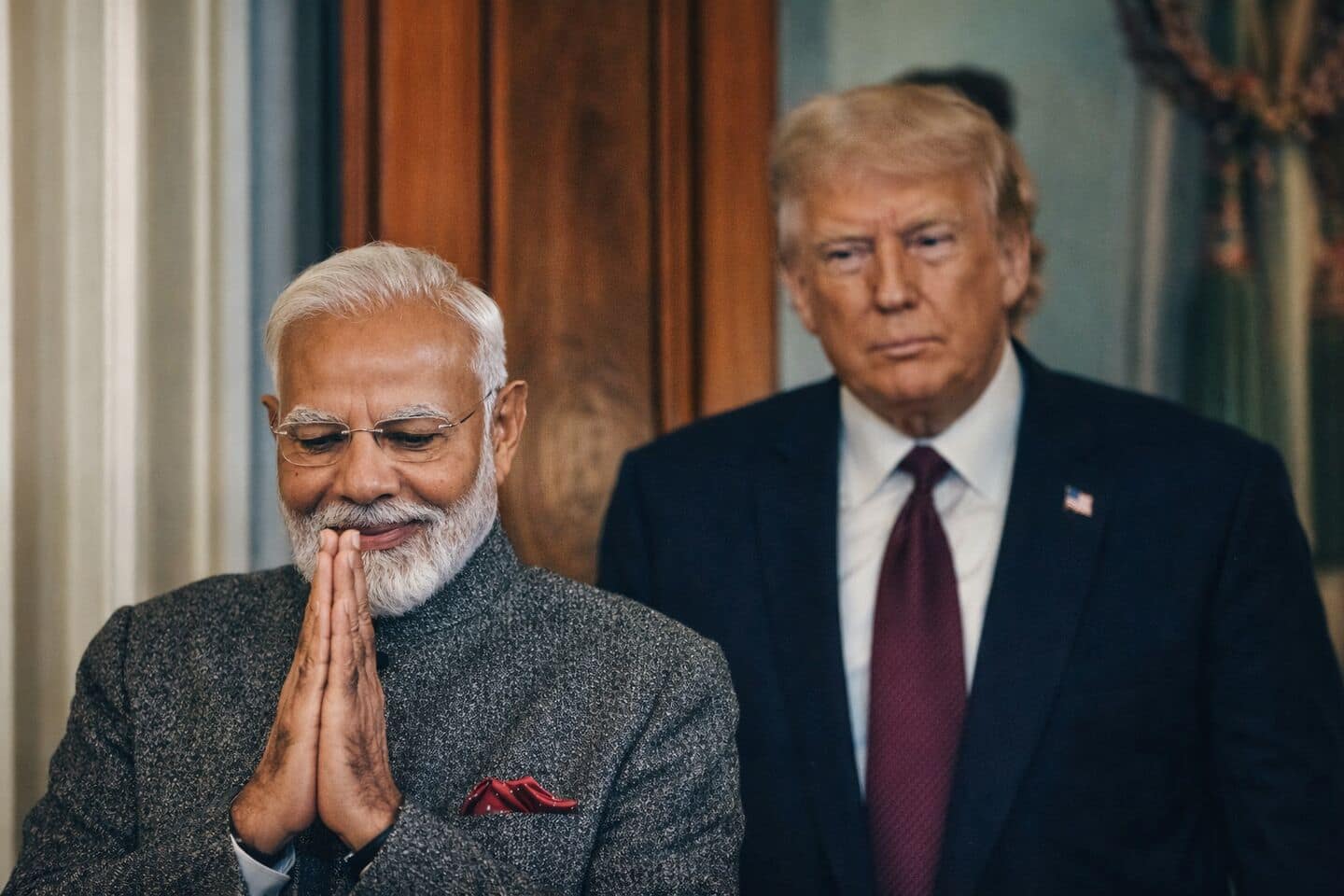
A significant element in the narrative involves the absence of a call between Prime Minister Modi and former US President Trump. Despite the Commerce Secretary's instrumental role in the deal's arrangement, there was no direct communication between the leaders of the two nations. This lack of interaction is notable and suggested that despite the groundwork laid, high-level engagement, considered essential for finalization, was missing. It raises questions about the political dynamics and the importance of leadership-level communication in international trade agreements, as this would have helped cement the deal.
Factors Affecting Outcomes
Several complex factors contributed to the deal's eventual failure. Negotiations in international trade often involve nuanced discussions, and differing priorities and strategic considerations can hinder progress. It is important to consider the potential for disagreement between the two negotiating teams. Such disagreements could be over tariffs, market access, or other trade-related regulations. The absence of a high-level dialogue, like a presidential phone call, further suggests that unresolved issues may have remained and contributed to the deal's eventual collapse. These issues contributed to an environment where the deal ultimately did not get finalized.
Trade Deal Aftermath
The breakdown of the India-US trade deal had consequences. This event marked a pause in the momentum of bilateral trade relations. The absence of a completed agreement may have affected future opportunities for economic cooperation and investment between the two nations. This outcome highlighted the challenges in navigating complex international trade dynamics and the pivotal role that high-level political alignment plays in successfully concluding such agreements. This failure demonstrated the difficulties in bridging gaps between nations.
Future Prospects
Despite the setback, the episode offers lessons for future trade discussions. It indicates the importance of communication and collaboration at all levels, particularly at the leadership level. Furthermore, the experience may guide future efforts to build consensus and address the varying interests of all parties involved in trade. It may also emphasize the need for robust follow-up and the importance of clear goals in order to boost future interactions. The event is a case study that can be utilized to better prepare for trade deals in the future.