








Summit Overview & Advisory
The AI Impact Summit 2026, scheduled from February 16th to February 20th at Bharat Mandapam, Pragati Maidan, is set to host a significant gathering of
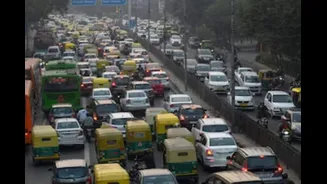
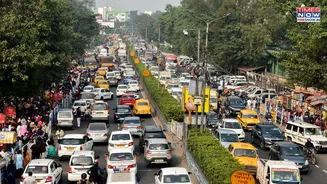
global leaders and delegates. To manage the expected influx of attendees and ensure seamless event operations, the Delhi Police have implemented a comprehensive traffic advisory. This advisory, effective for the entire duration of the five-day summit, aims to minimize disruption for essential services and facilitate the movement of VIPs while providing alternative options for the general public. Elaborate traffic regulations will be enforced, particularly in and around the New Delhi district, with a focus on maintaining smooth traffic flow.
Roads to Avoid
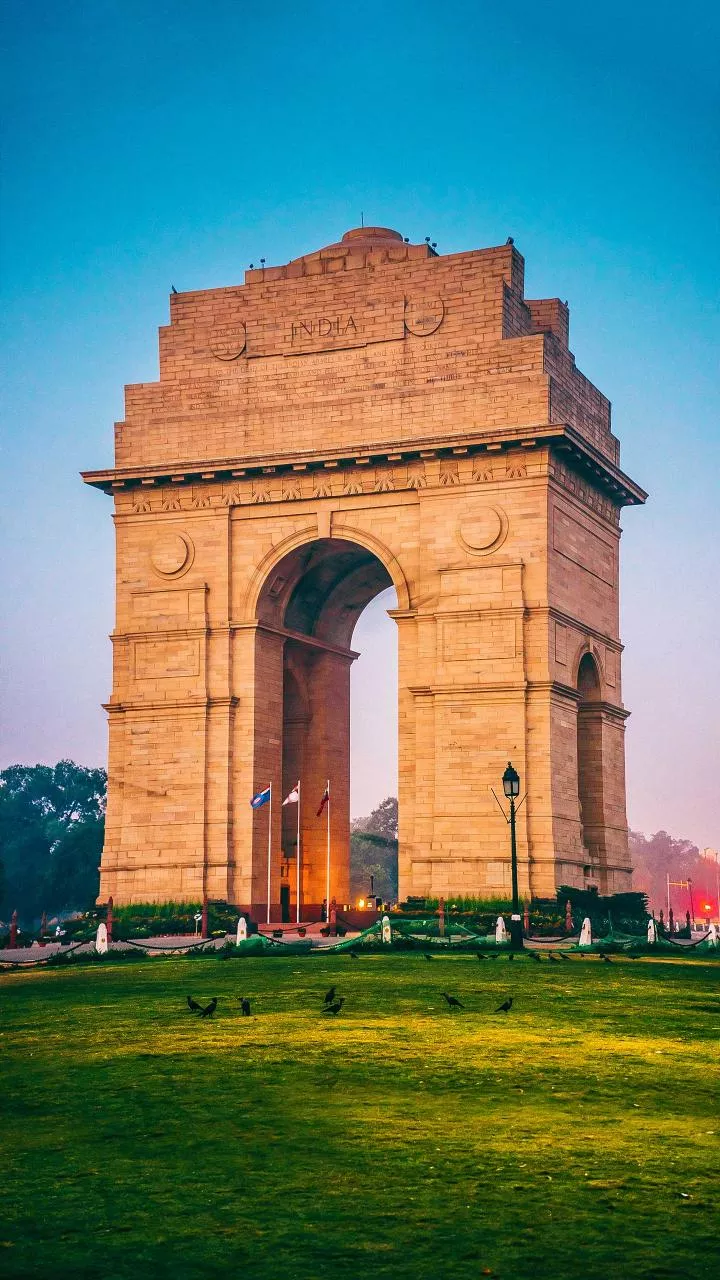
During the AI Impact Summit, a substantial number of roads in Delhi will face restrictions to ensure the security and smooth movement of delegates. Commuters are strongly advised to steer clear of approximately 49 specific roads to avoid significant delays. These include major arterial routes and roads within central Delhi such as Mathura Road (Subramania Bharti Marg T-Point to Lodhi Road Flyover), Tilak Marg, Akbar Road, Lodhi Road, Janpath, Kartavya Path, and Outer Circle of Connaught Place, among others. Additionally, certain stretches like Bhairon Marg (excluding the Ring Road T-Point) and Mathura Road (Subramania Bharti Marg T-Point to Dr Dinesh Nandini Dalmia Chowk) will have restricted entry for general vehicles. Planning alternate routes well in advance is crucial for any travel within the city during this period.
Airport Travel Guidance
For travelers needing to reach the airport terminals during the AI Impact Summit, Delhi Police recommends prioritizing metro services as a convenient and traffic-avoiding option. For those opting for road journeys, specific routes are suggested based on origin points. From Gurugram, travelers heading to T3, T4, or T2 can use NH-48 via Rao Gajraj Singh Marg, Old Delhi Gurugram Road, and UER II. For T1 from Gurugram, the route involves NH-48 and Mahipalpur Flyover. From Dwarka, the newly operated tunnel to T3 via Sector-22 Dwarka Road and UER II is advised. Commuters from New Delhi and South Delhi can access T3, T4, T2, and T1 via AIIMS Chowk, Ring Road, RTR Marg, and Ulan Bator Marg. West Delhi residents should utilize Punjabi Bagh Chowk, Ring Road, and Najafgarh Road, progressing towards UER-II. North and East Delhi residents will find routes via ISBT Kashmiri Gate, Rani Jhansi Flyover, and eventually connecting to UER-II and T3 Terminal Road. All passengers should allocate extra travel time.
Railway Station Access
Accessing Delhi's major railway stations will require careful route planning during the AI Impact Summit. For New Delhi Railway Station, commuters can follow routes from ISBT Kashmiri Gate via Boulevard Road, Rani Jhansi Marg, DBG Road, Ashram Chowk, and Ring Road, eventually leading to Panchkuian Road and Connaught Place. Travelers bound for Old Delhi Railway Station are advised to navigate from ISBT Kashmiri Gate via Ring Road, S.P. Mukherjee Marg, and Lothian Marg. For Hazrat Nizamuddin Railway Station, specific routes will be in place, though detailed pathing is not elaborated in the advisory, suggesting potential diversions and adherence to local traffic management. The general public is urged to allow ample extra travel time when heading to any railway station to avoid missing their trains.
General Travel & Diversions
To facilitate smooth travel and manage the expected volume of traffic, Delhi Police has outlined specific diversion strategies. Vehicles not destined for Delhi will be rerouted to the Eastern and Western Peripheral Expressways, effectively bypassing the city center. A key suggested corridor for general public movement, with no restrictions, is the Ring Road, encompassing Ashram Chowk, Sarai Kale Khan, Raj Ghat, ISBT Kashmiri Gate, Azadpur, Punjabi Bagh, Dhaula Kuan, and AIIMS. Essential services, including emergency medical vehicles, will be guaranteed uninterrupted passage and priority. The public is encouraged to utilize public transport, especially the metro, and factor in additional travel time for all journeys during the summit period.