







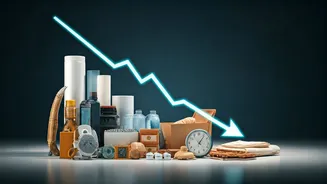
The Rupee's Descent
The performance of the Indian rupee has been a significant point of discussion within the financial sector. When the rupee declines in value, it means
one needs more rupees to purchase a single unit of foreign currency, which can have various ripple effects throughout the economy. This shift can impact several elements, from trade to investment and general economic growth. It's a complex scenario, with potential advantages and disadvantages. Understanding this movement requires a closer look at the key players and what's at stake.
Trade Dynamics Unveiled
A weaker rupee can influence trade significantly. For instance, when the rupee depreciates, Indian exports typically become more affordable in global markets, potentially boosting demand and leading to higher revenues for exporters. This competitiveness helps local businesses extend their reach in international markets, potentially driving expansion. Conversely, imports become more expensive, potentially raising costs for businesses that depend on imported raw materials or goods. Consequently, this could influence the balance of trade, either positively or negatively, depending on the volume and value of exports and imports.
Investment Perspectives Shift
The fall of the rupee also touches upon investment sentiments. A weaker rupee may make Indian assets more appealing to foreign investors because their investments convert into more rupees when they repatriate their profits. This could entice an influx of foreign investment, strengthening the capital markets and boosting economic development. However, the rupee's instability can be viewed as a risk, possibly deterring investments because it introduces uncertainty about the returns. The financial markets' response and overall confidence in the economy determine how investment patterns will change.
Economic Growth Outlook
The overall impact on economic growth is multifaceted. Increased exports can drive GDP growth, giving a boost to economic activity and employment opportunities. It could also contribute to inflation if the cost of imports rises, affecting consumer purchasing power and the overall price environment. Policymakers must balance the benefits of export growth against the dangers of inflation, using fiscal and monetary policies to moderate the negative impacts. The effectiveness of government measures and the economy's flexibility will determine the overall impact on economic growth.
Navigating the Future
In managing the effects of a weakening rupee, the government and Reserve Bank of India (RBI) have various tools at their disposal. Intervention in the foreign exchange market can steady the rupee's fall. Moreover, monetary policy decisions, such as adjusting interest rates, can impact both inflation and investment flows. Fiscal measures, including revisions to customs and duties, can also influence trade flows. The capacity to address these difficulties determines how India can make the most of the opportunities that a fluctuating rupee presents, encouraging sustainable and stable economic progress.