




Rice Production Ascends
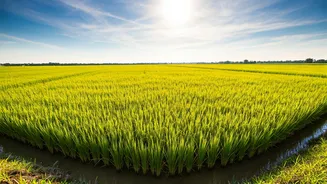
India's recent dominance in rice production represents a pivotal shift in global agriculture. The country's farmers have demonstrated an outstanding ability
to cultivate vast quantities of rice, resulting in India outperforming China, a nation known for its agricultural prowess. This has not only bolstered India's economy but has also positioned it as a critical player in global food security. The focus on enhancing agricultural techniques, improving irrigation systems, and providing farmers with the necessary support have all contributed to this remarkable growth. This success story, however, must be viewed through a lens that acknowledges its associated challenges and consequences.
Paddy Cultivation Complexities
Despite the impressive production figures, the extensive cultivation of paddy rice presents a range of difficulties. Paddy cultivation is a water-intensive process, demanding vast quantities of water to thrive. This places considerable strain on water resources, especially in regions with existing water scarcity. Furthermore, paddy farming is often associated with the use of fertilizers and pesticides, which can have adverse environmental impacts, including soil degradation and water contamination. The environmental toll of paddy cultivation is a serious concern, prompting the need for more sustainable agricultural practices to mitigate these negative effects. It’s essential to evaluate whether current practices are truly sustainable in the long term.
Environmental Impacts Explored
The ecological impacts of intensive paddy farming are multifaceted. The excessive use of water has led to the depletion of groundwater reserves and increased the risk of soil erosion. The application of chemical fertilizers and pesticides poses serious risks to soil health and water quality. These chemicals can seep into the water bodies, affecting aquatic life and even entering the human food chain. In addition, rice cultivation contributes to greenhouse gas emissions, particularly methane, adding to the challenges of climate change. Addressing these environmental concerns requires careful consideration of alternative farming techniques, such as the adoption of water-saving methods, organic farming, and sustainable pest management strategies to strike a balance between food security and environmental protection.
Economic and Social Factors
The economics and social dimensions of rice farming in India are complex. While rice production contributes significantly to the national economy and provides livelihoods for millions of farmers, there are issues to consider. The income of farmers is often subject to the volatility of market prices and weather patterns. Small-scale farmers are particularly vulnerable. Further, the shift towards rice cultivation has, in certain regions, changed traditional cropping patterns, impacting crop diversity and, in some cases, the nutritional content of the local diet. Therefore, policies that support fair prices, provide access to credit, and promote diversified agriculture are essential to ensure the prosperity and well-being of rice farmers and the broader rural communities.
Looking Ahead: Solutions
To secure a sustainable future for rice production in India, a comprehensive and multifaceted approach is needed. This includes promoting water conservation techniques such as drip irrigation and rainwater harvesting, and encouraging the adoption of less water-intensive rice varieties. Organic farming practices can help reduce the reliance on chemical inputs. Supporting research and development for climate-resilient rice varieties is vital. Moreover, government policies should prioritize farmer welfare, providing them with financial assistance, training, and access to markets. By embracing sustainable practices, India can maintain its leading position in rice production while mitigating its environmental and social impacts.