





Efficiency Showdown
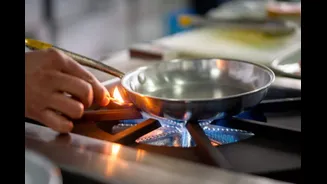
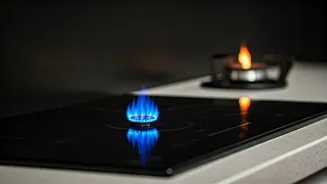
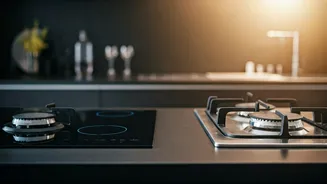
The efficiency gap between induction and LPG stoves is significant, with induction cooktops converting a remarkable 85-90% of electrical energy into heat,
far surpassing the 40-50% efficiency of traditional gas stoves. This means less energy is wasted into the surrounding environment, which is particularly beneficial in urban settings where energy bills and kitchen temperatures are sensitive issues. As LPG prices experience volatility, especially due to geopolitical events, the cost-effectiveness of induction is becoming increasingly attractive, particularly for smaller households and those with moderate cooking needs. For everyday tasks like boiling water or making tea, induction often proves to be faster and consumes less overall energy value when compared to gas burners, leading to noticeable savings over time. The direct heating of compatible cookware by induction means minimal heat loss, contributing to its superior energy utilization.
Safety First
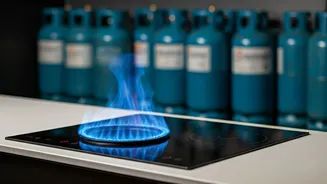
Safety is a paramount concern, and induction cooktops offer a distinct advantage over LPG stoves. Unlike gas stoves that utilize an open flame and a flammable gas, induction technology generates heat directly within the base of compatible cookware via an electromagnetic field. This leaves the surrounding surface of the cooktop relatively cool to the touch, significantly reducing the risk of burns. Moreover, most modern induction units are equipped with intelligent safety features, such as automatic shut-off mechanisms that activate when no cookware is detected or if a pot boils dry. These features drastically mitigate the risk of accidental fires. In stark contrast, LPG systems inherently carry risks associated with gas leaks, improper cylinder handling, and the potential for kitchen fires and explosions, issues that are frequently highlighted in safety advisories and reported by fire departments.
Breathing Easier Indoors
The impact on indoor air quality is another crucial factor driving the interest in induction. When LPG is burned, it releases various byproducts into the kitchen atmosphere, including carbon dioxide, water vapor, and other trace pollutants. In kitchens that are not adequately ventilated, this can lead to a deterioration of indoor air conditions. Studies and expert recommendations emphasize the need for ventilation systems like chimneys or hoods when using gas stoves to counteract these effects. Induction cooktops, however, operate without direct combustion, meaning they produce no such emissions. The primary indoor air pollutants generated during cooking with induction are largely limited to the fumes released from the food itself, offering a healthier environment, especially for those who spend considerable time in the kitchen.
Effortless Maintenance
The convenience of cleaning and maintenance is a practical benefit that many Indian households are beginning to appreciate with induction cooktops. Their design typically features a smooth, flat surface, often made of glass or ceramic, which makes wiping away spills and food residue remarkably simple. This streamlined maintenance is a significant advantage over traditional gas stoves, which have multiple components like burners, grates, and crevices that can trap grease and food particles, requiring more intensive cleaning efforts to maintain hygiene. For busy individuals, working professionals, and nuclear families with limited domestic help, this reduction in upkeep can translate into substantial time savings and a more pleasant cooking experience.
Adoption Hurdles
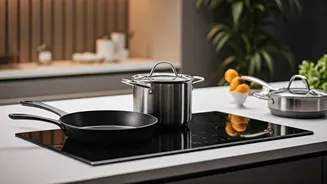
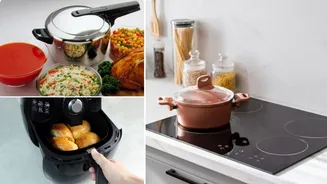
Despite the compelling advantages, the widespread adoption of induction cooktops in India faces several obstacles. A primary challenge is cookware compatibility; induction requires pots and pans made of ferromagnetic materials, meaning many existing aluminum or copper utensils may not work unless they are specifically designed with an induction-compatible base. For numerous middle-class families, the expense of replacing an entire set of cookware represents a significant upfront investment. Furthermore, induction cooktops are entirely dependent on a consistent and reliable electricity supply. This dependency makes them a less practical choice in regions that continue to experience frequent power outages, a reality for many parts of India. The initial cost and the requirement for specific cookware are key barriers to a complete transition.
Urban Embrace
Notwithstanding these challenges, there is a discernible and growing interest in induction cooktops, particularly within India's metropolitan and tier-1 cities. Manufacturers and retailers are observing a steady rise in demand, fueled by marketing campaigns that highlight not only the speed and precision of induction cooking—such as the ability to instantly adjust heat for delicate tasks like tempering spices or achieving the perfect simmer for curries—but also the cooler kitchen environment they create. The reduction in ambient heat during cooking is a particularly appealing factor for apartment dwellers, who often contend with small, warm kitchens. The prospect of a significantly cooler kitchen, especially during the hot summer months, is a powerful motivator for embracing this modern cooking technology.
Broader Energy Shift
The conversation around induction versus LPG is also intrinsically linked to India's broader energy transition and climate change objectives. As the nation continues to expand its capacity for renewable energy sources like solar and wind power, the concept of shifting household energy consumption from fossil fuel-based LPG to grid electricity gains traction. This shift is beginning to influence policy discussions and consumer choices. While LPG remains deeply entrenched due to its extensive distribution network and long-established consumer habits, experts anticipate that induction adoption will accelerate, particularly among younger and urban demographics who are more receptive to new technologies and environmentally conscious solutions. This transition is part of a larger national effort to reduce reliance on imported fossil fuels.
Hybrid Kitchens Emerge
For the present, many Indian kitchens are adopting a pragmatic approach by embracing hybrid solutions, often using induction cooktops in conjunction with their existing LPG stoves rather than opting for a complete replacement. This dual approach allows households to leverage the strengths of both technologies. LPG can be reserved for high-heat cooking or preparing large quantities of food, while induction serves as an efficient and convenient option for quicker, everyday tasks like preparing breakfast, reheating meals, or making beverages. As the cost of induction technology potentially decreases and the reliability of electricity infrastructure improves across the country, the humble cooktop is poised to be at the forefront of a significant transformation in how Indian homes manage energy, prioritize safety, and enhance comfort in their culinary spaces.