






The Dawn of Aerial Mobility
The concept of urban air mobility, once a staple of science fiction, is rapidly transitioning into a tangible reality with the anticipated launch of electric
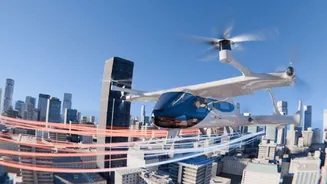
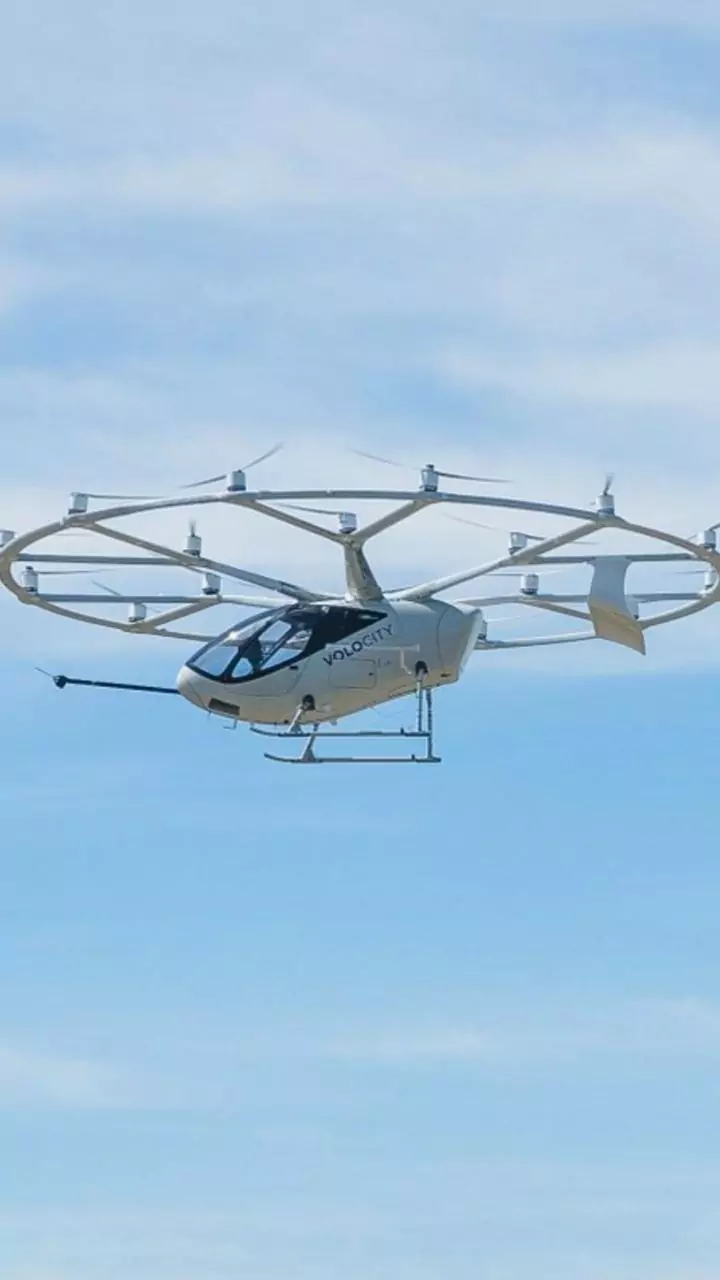
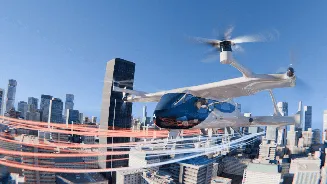
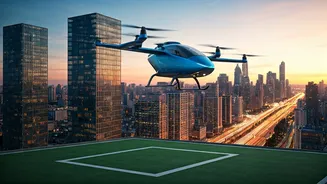
air taxi services in 2024. Spearheading this revolution is a groundbreaking collaboration focused on developing and operating an all-electric air taxi network. These innovative aircraft, known as electric vertical take-off and landing (eVTOL) vehicles, are engineered to carry up to four passengers and a pilot, offering a substantial operational range of up to 150 miles on a single charge. The vision is to create an urban transport layer that seamlessly integrates with existing ride-sharing platforms, allowing users to book aerial journeys as easily as they book a car. This initiative aims to dramatically reduce travel times within congested cities, presenting a compelling alternative to traditional ground-based transportation and heralding a new era of convenience and efficiency for urban dwellers.
Seamless Sky Bookings
The user experience for these futuristic air taxis is designed to be remarkably straightforward, mirroring the intuitive interface of current ride-sharing applications. Passengers will simply open their preferred ride-sharing app, input their desired destination into the familiar search bar, and if the service is available in their location, an 'air taxi' option will be presented. With a single confirmation, the entire journey can be booked, often encompassing a ground transfer via a premium car service to and from the designated take-off and landing sites, known as vertiports. The objective extends beyond mere novelty; it’s about constructing a comprehensive transport solution that elegantly bridges the gap between ground-level transit and aerial travel. This integrated approach ensures that the entire process, from initial booking to final arrival, is as fluid and accessible as possible, making elevated urban transit a practical choice.
Advanced Aircraft Design
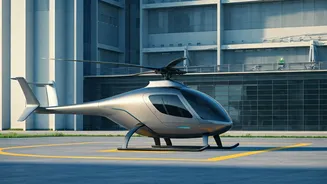
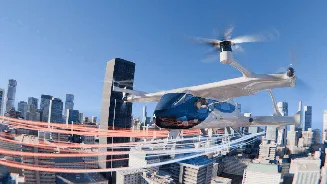
The electric air taxis are a marvel of modern engineering, meticulously designed for performance, safety, and passenger comfort. Each aircraft is equipped to accommodate up to four travelers, accompanied by a certified commercial pilot, ensuring professional operation. The cabin interiors boast expansive panoramic windows, offering occupants breathtaking aerial views of the cityscapes below. Technologically, the aircraft utilize six advanced tilting propellers, enabling vertical take-off and landing capabilities. Once airborne, these propellers transition to facilitate forward flight, allowing the air taxis to reach speeds of up to 200 miles per hour with a travel radius of approximately 100 miles on a full charge. Crucially for dense urban environments, the design incorporates multiple layers of redundancy to guarantee the highest levels of safety. Furthermore, significant attention has been paid to the acoustic signature, with the aircraft engineered to operate at a noise level that blends harmoniously with the ambient sounds of a typical city, mitigating a common concern associated with aerial vehicles in metropolitan areas.
Navigating Certification and Safety
Before these innovative air taxis can take flight commercially within the United States, they must successfully obtain certification from the Federal Aviation Administration (FAA). The manufacturing partner has demonstrated a robust commitment to safety, completing over 50,000 miles of flight testing across its diverse fleet. This extensive testing has paved the way for the aircraft to enter the final stages of the certification process, underscoring a rigorous, safety-first approach to development. Industry leaders emphasize the belief that advanced air mobility holds the potential to fundamentally reshape urban transportation landscapes. By integrating these electric air taxis directly into widely used ride-sharing applications, the goal is to simplify air travel within cities to a degree comparable to booking a ground vehicle. The overarching objective is to establish a new dimension of transportation that operates discreetly and integrates naturally into the fabric of city life, thereby conserving valuable time and alleviating traffic congestion.
Global Expansion and Indian Potential
While initial commercial flights are slated for international locations, the implications of this burgeoning air taxi sector for countries like India are profound. India's major urban centers frequently grapple with some of the most severe traffic congestion globally, leading to excessively long and unpredictable commute times. As infrastructure expands, gaps in last-mile and inter-city connectivity persist, creating a significant demand for advanced mobility solutions. Air taxis could offer a transformative answer, particularly for cities geographically constrained and experiencing rapid population growth, by providing direct aerial corridors that bypass road gridlock. India's status as a rapidly expanding aviation market, coupled with its pursuit of net-zero targets and electric mobility, positions it as a prime candidate for adopting electric air taxis. This technology could complement existing infrastructure, serve as vital links between satellite towns and business districts, and align with sustainability objectives, provided that charging infrastructure and energy sources are managed effectively.
Addressing Future Challenges
Despite the immense promise, the widespread adoption of electric air taxis is not without its hurdles. Significant challenges lie ahead, including navigating complex regulatory frameworks, ensuring broad public acceptance of aerial transit within cities, and developing sophisticated air traffic management systems capable of safely integrating these new vehicles. Collaboration between companies like the one developing this service and aviation authorities is paramount to guarantee the safety and operational efficiency of the network. For a country like India, with its dense urban landscapes and intricate air traffic operations, coordinated oversight from bodies such as the Directorate General of Civil Aviation (DGCA), air traffic management agencies, and urban planning departments will be crucial. Overcoming these obstacles is essential to unlock the full potential of urban air mobility, which promises not just technological advancement but a fundamental restructuring of how cities manage growth, connectivity, and the precious commodity of time.