
Rain's Unwelcome Visit
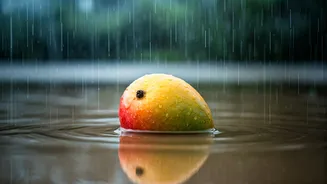
The mango season in India is typically a time of prosperity and vibrant activity, but this year has brought unprecedented challenges. Unseasonal rainfall
is the primary culprit, wreaking havoc on mango orchards across the country. The erratic weather patterns disrupt the flowering process of mango trees, directly impacting fruit production. The damage is not uniform, with varying degrees of severity seen in different regions. Some areas have witnessed significant fruit drop, leading to substantial losses for farmers. This unexpected rainfall has not only affected the quantity of mangoes but also the quality, making the future of this beloved fruit uncertain for consumers and businesses alike.
Crown Under Threat
The moniker 'king of fruits' is under duress due to the unseasonal rainfall. Mangoes, a staple in the Indian diet and a significant contributor to the agricultural economy, are feeling the pinch. The unusual weather conditions hamper the natural processes that govern mango production. The timing of the rains is also a major problem; they often occur during crucial stages of flowering or fruit development, causing direct damage. The impact goes beyond the immediate loss of yield. It includes long-term effects on the trees themselves, which can impact future harvests. This situation presents a worrying scenario for farmers, traders, and consumers, adding to the complexities of an already demanding agricultural landscape.
Impact on Economy
The effects of unseasonal rainfall on mangoes have far-reaching economic implications. India's mango industry supports a vast network of individuals and businesses, from farmers and laborers to vendors and exporters. Any disruption to the supply chain directly affects livelihoods. Reduced yields mean lower income for farmers, impacting their ability to invest in the next season. Price fluctuations in the market are inevitable, with higher prices likely for the limited supply of mangoes. This has broader consequences, affecting the food industry and potentially contributing to inflation. The government may have to intervene to support farmers and mitigate the adverse impacts on the economy.
Farmers' Struggles
Mango farmers are bearing the brunt of the unseasonal rainfall. They are not only dealing with physical losses but also with the emotional and financial strain of crop failures. Many farmers have invested significant resources in their mango orchards, expecting a profitable harvest season. But the erratic weather has shattered these expectations. They're trying to save what they can, but facing challenges such as pest infestations and fungal diseases caused by the damp conditions. The farmers are also having to adapt and find new methods to safeguard their remaining mangoes. This situation underlines the vulnerability of the agricultural sector to climate-related risks and stresses the need for resilient farming practices.
Consumer Concerns
The repercussions of unseasonal rainfall extend to consumers. The availability of mangoes is expected to be significantly reduced, leading to higher prices. This impacts everyone, but it affects the lower-income groups the most, who may find mangoes unaffordable. Consumers also have to deal with the quality of the available mangoes. The fruit might not be as sweet, ripe, or tasty as it would be in a normal season, since the rainfall affects the fruit's development. This situation raises questions regarding food security and the affordability of essential items. It reminds everyone of the interdependence of consumers and agricultural practices, and how unexpected weather can have a ripple effect across the country.
Possible Solutions
Mitigating the impact of unseasonal rainfall requires a multifaceted approach. Farmers need support in adopting climate-resilient farming practices, such as improved irrigation systems, crop diversification, and the use of drought-resistant varieties. The government can play a crucial role by offering financial aid, insurance schemes, and access to weather forecasting data. Investments in research and development are also important to develop new techniques and technologies to protect the crops. Community awareness campaigns can teach farmers and consumers about the changing climate and the importance of adapting to these changes. Collaboration between farmers, the government, scientists, and consumers is crucial in ensuring a sustainable future for the mango industry.