
FTA Breakthrough Announced
The Indian government achieved a major milestone by securing duty concessions from the European Union, which will be implemented as part of a Free Trade
Agreement (FTA). The announcement signified a pivotal shift in the trade relationship between the two entities, potentially creating new opportunities for Indian agricultural exports. These concessions were carefully crafted to benefit various agricultural products, thus boosting the competitiveness of Indian farmers in the European market. These measures are designed to reduce the existing trade barriers and encourage a more favorable environment for Indian agricultural products.
Impact on Agri-exports
The duty concessions granted by the EU are expected to have a noticeable positive effect on India's agricultural exports. Reduced tariffs mean that Indian products will become more competitive in the European market, which is particularly crucial for sectors facing high import duties. By lowering the cost of agricultural goods, the FTA should enhance export volumes. This could translate to increased revenue for farmers and other players in the value chain, as well as a wider selection of high-quality products available to European consumers. Such initiatives are also expected to attract more investments in the agricultural sector, thereby improving overall production capacity and efficiency.
Benefiting Indian Farmers
The FTA's duty concessions are specifically designed to benefit Indian farmers, who are the backbone of the agricultural industry. Lowering tariffs makes their products more attractive to EU importers, leading to a rise in demand for Indian agricultural goods. As demand increases, Indian farmers can expect higher prices for their produce, which can improve their profitability and livelihoods. This, in turn, can help boost local economies by increasing the income of farmers and the communities they are part of. Moreover, these concessions can incentivize farmers to adopt more modern farming techniques to enhance product quality, thus meeting the strict standards required for the European market.
Key Products Involved
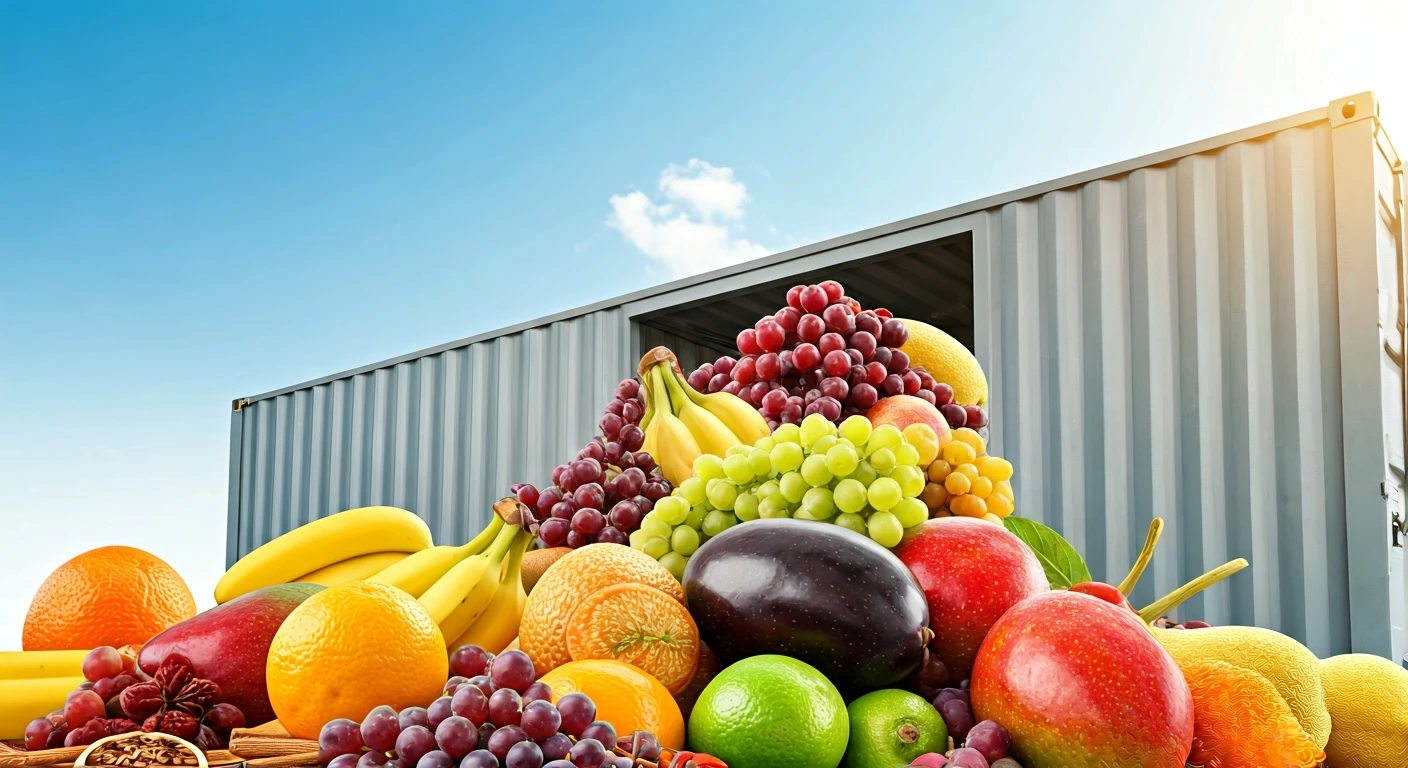
Although the specific agricultural products that will be impacted by the duty concessions have not been explicitly listed, the broad implications of this agreement are significant. The reductions in import duties are expected to cover a wide range of goods, likely including items like rice, spices, fruits, and vegetables. These products are central to India's agricultural trade with the EU. The finer points of the agreement are meant to promote the growth of these particular agricultural segments. This will help strengthen India's position in the global agricultural market and enhance the overall trade ties between the two entities.
Future Trade Dynamics
This FTA represents a significant evolution in India-EU trade relations. By lowering tariffs and creating more favorable conditions for agricultural exports, the agreement seeks to build stronger economic ties. These initiatives could potentially lead to an increase in overall trade volumes and foster greater collaboration in agriculture and related sectors. As trade barriers are reduced, the agreement is also expected to encourage more investment and cooperation, thereby boosting production capacity and efficiency. The FTA is more than just a trade deal; it is a step towards a more interconnected and prosperous trade environment.