
Devastating Winter's Grip
The United States was recently hit hard by a brutal winter storm, leaving a trail of destruction across multiple states. The storm brought with it freezing
temperatures, heavy snowfall, and icy conditions. These harsh conditions led to widespread power outages, affecting half a million people, and tragically claimed at least 42 lives. The severe weather's impact was felt far and wide, causing disruptions in essential services and impacting daily life for millions across the nation. The NTSB initiated an investigation into a plane crash in Maine that resulted in six fatalities, adding to the storm's human toll. The crisis underscored the vulnerability of infrastructure and the importance of preparedness during extreme weather events.
Energy Sector Challenges
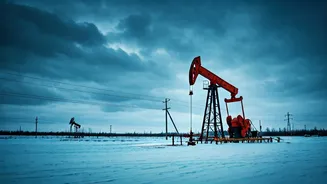
The winter storm presented considerable challenges for the energy sector. The storm's impact on infrastructure led to disruptions in oil output, causing initial concerns about supply. Simultaneously, power outages across the country highlighted the fragility of the energy grid. As the storm intensified, these issues led to an initial rise in oil prices, reflecting the market's anticipation of potential shortages. However, the price surge was short-lived. Investors quickly shifted their focus towards the potential resumption of oil supplies from Kazakhstan, causing prices to decline. This market response revealed a complex interplay of factors, demonstrating the sensitivity of energy markets to both supply disruptions and geopolitical considerations. The ongoing situation showed the urgent need for a more resilient energy infrastructure capable of withstanding extreme weather.
Power Outage Realities
The widespread power outages underscored the severity of the winter storm's impact. With hundreds of thousands of people left without electricity, the storm caused considerable hardship and inconvenience. The Southern states bore the brunt of the outages, as freezing temperatures exacerbated the impact on residents. These prolonged outages created additional challenges, affecting heating, communication, and access to essential services. The impact emphasized the vulnerability of communities to weather-related disasters and underscored the necessity of robust infrastructure. The widespread power outages highlighted the importance of emergency response and highlighted the need to enhance grid resilience to cope with extreme weather conditions. The numbers revealed a significant problem with the existing infrastructure, in light of the scale and duration of the outages.
Market Reactions & Outlook
The US winter storm triggered a series of responses within the economic landscape. The initial reaction in the oil markets was marked by rising prices. However, investor confidence quickly stabilized as attention turned towards supply factors, specifically the potential for supply resumption. This shift in sentiment resulted in a subsequent decline in oil prices. The situation highlighted the market's sensitivity to disruptions and its adaptability to changing circumstances. As the storm subsided, analysts and investors monitored the situation for potential shifts in the energy markets. The overall impact of the storm continues to be assessed. The winter storm became a significant event, affecting both the energy sector and the economic stability, calling for a review of infrastructure resilience and emergency preparedness.