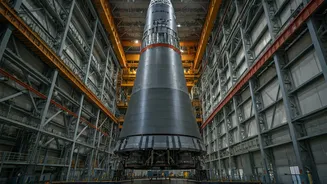







Core Stage Vertical Assembly
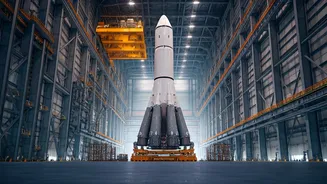
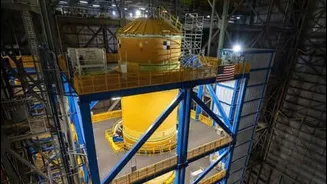
Inside the vast Vehicle Assembly Building (VAB) at NASA's Kennedy Space Centre, a monumental stride has been taken: the main body, or core stage, of the Space Launch
System (SLS) rocket destined for the Artemis 3 mission now stands in an upright position. This significant operation marks a crucial milestone in the ongoing preparations for the ambitious 2027 endeavor. Engineers are meticulously working within High Bay 2 of the VAB, where they will proceed with the intricate process of preparing this enormous structure. The focus is on its eventual integration with the rocket's powerful engine section and numerous other essential components, all leading up to the planned launch. This foundational step is critical for assembling the massive rocket that will carry astronauts on their journey back to the lunar surface later this decade, symbolizing NASA's determined push to re-establish a human presence on the Moon.
Mission Objectives & Scale
The Artemis 3 mission, slated for a late 2027 launch window, is designed to be a pivotal phase in NASA's lunar exploration strategy. Its primary objective is to rigorously test and validate the agency's next-generation lunar landing systems. This mission will precede any actual astronaut landings on the Moon, serving as a crucial precursor to ensure the safety and efficacy of the equipment. Once the four RS-25 engines are successfully attached to the core stage, the entire unit will be relocated to the even more expansive High Bay 3 for the final stages of assembly. The sheer scale of this rocket is breathtaking: the core stage alone measures approximately 212 feet in height and houses these four formidable engines. When fully equipped with the Orion spacecraft, the upper stage, and the powerful twin solid rocket boosters, the complete launch vehicle will soar to an impressive height of about 322 feet, boasting a fueled weight nearing an astonishing 5.75 million pounds, highlighting the immense engineering feat involved.
Artemis Program Vision
The overarching Artemis program, of which Artemis 3 is a vital component, aims to establish a sustained and long-term human presence on the Moon. This ambitious initiative is envisioned to progress from initial astronaut missions to the eventual establishment of a permanent lunar base, anticipated in the early 2030s, likely situated near the Moon's south pole. The recent advancements in assembling the Artemis 3 rocket come hot on the heels of the successful completion of the Artemis 2 mission. This earlier flight, which safely carried astronauts on a journey around the Moon and back, served as the inaugural crewed test flight for the Orion spacecraft, effectively validating the complex systems required for future lunar endeavors. The momentum gained from Artemis 2 underscores NASA's steady progress towards its ambitious lunar objectives.
Revised Mission Profile
Contrary to earlier mission plans, Artemis 3 will not include a crewed landing on the lunar surface during this particular mission. NASA recently updated the mission's objectives and flight plan due to unforeseen delays in the development of crucial lunar landing systems, which are being engineered by commercial partners like SpaceX and Blue Origin under the Human Landing System program. Instead of proceeding directly to lunar orbit for a landing attempt, the astronauts aboard Artemis 3 will remain in Earth orbit. During this time, they will conduct critical docking and rendezvous maneuvers with one or both of the designated lunar landers. NASA emphasizes that these orbital tests are essential for thoroughly verifying the operational readiness and safety of the landing systems before any astronauts are cleared to descend to the Moon's surface.
Lunar Lander Candidates
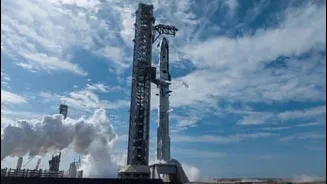
The Artemis 3 mission's orbital tests could potentially involve either SpaceX's Starship Human Landing System or Blue Origin's dedicated lunar lander, or perhaps even both, depending on their respective progress. The final selection of which lander(s) will participate hinges on their successful completion of crucial testing and qualification milestones within the required timeframe. Looking ahead, NASA is targeting Artemis 4, currently planned for 2028, as the mission intended to achieve the program's inaugural crewed lunar landing. The agency has indicated that whichever landing system proves most ready and meets all stringent safety requirements could ultimately be selected for this historic lunar descent, reflecting a flexible and performance-driven approach to achieving key program goals.