





The Misconception of Ease
Many men approach Pilates with the assumption that its slow, controlled movements and lack of heavy weights equate to an easy workout. Trainer Yasmin Karachiwala
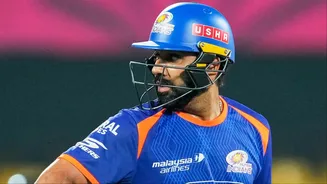
playfully highlighted this, sharing a glimpse of cricketer Hardik Pandya engaging with Pilates on a reformer, noting that the challenge quickly becomes apparent to those who try it. This perception often stems from a misunderunderstanding of where Pilates derives its difficulty. Unlike the visible exertion of weightlifting or high-intensity cardio, Pilates focuses on internal strength and precision. The absence of loud grunts or visible sweat might mislead observers into thinking it lacks intensity, but this couldn't be further from the truth. The exercises demand a deep, honest engagement of muscles that are often overlooked in more conventional training regimens, revealing a different, more profound form of physical exertion.
Unveiling Core Power
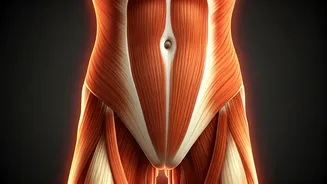
Pilates is fundamentally about developing profound core control and stability, which are crucial for athletic performance and everyday movement. It doesn't just target the superficial abdominal muscles that contribute to aesthetics; instead, it meticulously activates the deeper intrinsic muscles that form the body's support system. These foundational muscles are essential for maintaining good posture, enabling fluid movement, and protecting the spine. For athletes like Hardik Pandya, who rely on explosive power and agility, strengthening these deeper core muscles allows for more efficient force transfer and better overall biomechanics on the field. This focused engagement ensures that the body moves as a cohesive unit, enhancing both power generation and control.
Exposing Weak Links
One of the most revealing aspects of a Pilates practice, especially for men accustomed to more traditional strength training, is its ability to expose hidden physical limitations. Tight hips, poor balance, underdeveloped lower back muscles, and restricted flexibility are quickly brought to light within the slow, deliberate movements of Pilates. Because the exercises are performed with such precision and control, there's no room for compensation or 'cheating' reps. Each movement requires specific muscle activation, making it impossible to mask underlying weaknesses. This direct feedback loop allows individuals to identify and then systematically address these vulnerabilities, leading to a more balanced and functional physique.
Building Functional Strength
The core principles of Pilates revolve around controlled motion, dedicated core engagement, impeccable alignment, and spinal stabilization. This approach fosters the development of deep-seated strength, particularly around the back and pelvic regions, which are vital for posture and movement integrity. Over time, regular practice helps to rectify postural imbalances and refine movement patterns, thereby reducing the compensatory stresses that can lead to pain and injury. The emphasis on precision and deliberate muscle activation means that Pilates exercises can offer significant improvements in functional strength without the high risk of aggravating existing conditions or causing new injuries, making it an ideal cross-training method.
Performance and Recovery
From a holistic fitness and recovery standpoint, Pilates offers a dual benefit of enhanced mobility and a reduced risk of injury, ultimately boosting athletic performance. For athletes like Hardik Pandya, who require potent explosive power for their sport, this training regimen is not just about building bulk but about refining movement efficiency. It helps them execute actions more effectively and safely on the field. Pilates cultivates a type of strength that is integrated and resilient, contributing to better overall physical capacity and quicker recovery between demanding sessions or games. It's a different kind of challenge, one that builds genuine, robust strength from the inside out.