








The Avalanche's Impact
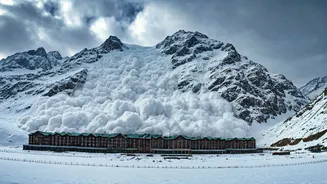
The dramatic event that unfolded at the Sonamarg tourist resort in Jammu and Kashmir involved a huge avalanche, captured vividly in available footage.
The video showed the immense power of nature, as a massive wall of snow and ice swept through the area. This event underscores the inherent risks associated with mountainous regions, particularly during periods of heavy snowfall. The visuals provided a stark reminder of the vulnerability of infrastructure and the importance of preparedness in areas prone to such natural disasters. The avalanche's direct impact was on the resort, where it likely caused significant damage to buildings, infrastructure, and potentially affected the safety of both tourists and locals present at the time. The immediate aftermath required assessing the damage, ensuring the safety of anyone in the area, and initiating recovery measures. The incident serves as a crucial reminder of the unpredictable nature of mountain environments and the importance of constant monitoring and vigilance.
Sonamarg's Geographical Context
Sonamarg, known for its scenic beauty, is a popular tourist destination nestled in the Himalayan region of Jammu and Kashmir. The location’s elevation and geographical features make it highly susceptible to avalanches, especially during the winter months when heavy snowfall is common. The region’s mountainous terrain, combined with the accumulation of snow, creates an environment where avalanches are a recurring threat. The influx of tourists, particularly during peak seasons, adds a layer of complexity to the risks. The presence of buildings, roads, and other infrastructure within the potential avalanche paths significantly increases the risk to human life and property. Understanding the specific geological and climatic factors that contribute to avalanche formation in Sonamarg is crucial for assessing the hazards and developing effective mitigation strategies. This includes regular monitoring of snowpack conditions, implementing early warning systems, and educating both residents and tourists about avalanche risks and safety protocols.
Avalanche Dynamics Explained
Avalanches are complex natural phenomena driven by several factors. They typically occur when a layer of snow becomes unstable and slides down a slope. This instability can be triggered by various elements, including changes in temperature, heavy snowfall, and the effects of wind. There are different types of avalanches, each with its characteristics. Slab avalanches, which involve the sudden release of a cohesive layer of snow, are particularly dangerous because they can move with significant force and speed. Loose snow avalanches, on the other hand, usually start from a single point and fan out. The scale and impact of an avalanche depend on several factors, including the volume and density of the snow, the steepness of the slope, and the presence of any obstacles in its path. In the case of the Sonamarg incident, it's likely a slab avalanche due to its widespread and destructive nature. Understanding these dynamics is essential for developing effective forecasting and warning systems, allowing timely evacuation and ensuring public safety.
Safety Measures and Preparedness
To reduce the risk and mitigate the impact of avalanches in areas like Sonamarg, proactive measures are crucial. These measures include comprehensive avalanche forecasting, which relies on monitoring weather conditions, snowpack stability, and historical data. Early warning systems can alert residents and tourists to potential dangers, allowing them to take necessary precautions. Furthermore, constructing avalanche barriers and implementing controlled releases can help reduce the buildup of snow and prevent large-scale avalanches. Education and awareness programs play a vital role in informing the public about the risks and providing information on safe practices. This includes knowing how to recognize avalanche hazards, understanding evacuation routes, and having access to rescue equipment. In the aftermath of an avalanche, rapid response is crucial. Emergency services must be prepared to conduct search and rescue operations, provide medical assistance, and coordinate the evacuation of affected individuals. Effective preparedness relies on collaboration between government agencies, local communities, and the tourism industry, ensuring a coordinated approach to risk management.