



Fairness Over Arithmetic
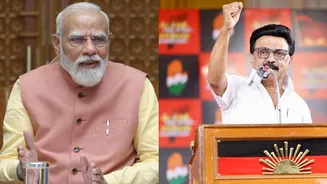
The foundation of India's federal structure, as articulated by Chief Minister M.K. Stalin, rests not on mere demographic numbers but on a bedrock of trust,
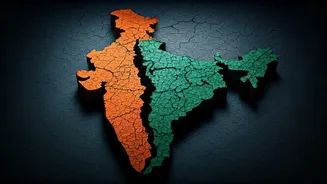
restraint, and a shared constitutional vision. States that diligently pursued population stabilization, invested in education, and prioritized public health did so for the nation's progress, not to see their influence eroded. This perspective challenges the notion that states should engage in a 'demographic race,' suggesting instead that responsible governance and development should be the guiding principles. The current approach, according to Stalin, risks rewarding population growth alone, thereby creating a new injustice for states that have contributed to national priorities through careful planning and social progress. This viewpoint underscores a belief that representation should reflect a state's contribution and commitment to national well-being, rather than simply its population size. The principle at stake is the equitable distribution of power and voice within the Union, ensuring that all states, regardless of their demographic trajectory, maintain a significant presence in national discourse and decision-making processes.
Echoes of Vajpayee's Wisdom
Chief Minister M.K. Stalin emphasizes the prescient decision of former Prime Minister Atal Bihari Vajpayee to freeze the delimitation process. This move, he argues, was a strategic measure to maintain a crucial balance in national representation until the country achieved a more even developmental evolution. Stalin questions the current abandonment of this established wisdom, positing that continuing this freeze would have allowed for genuine parity to emerge. He contends that if parliamentary representation begins to solely reward population increases while disregarding governmental achievements and development outcomes, the existing imbalance is not being rectified but rather a new form of injustice is being engineered. States that have actively contributed to national priorities, often through difficult social and economic planning, should not face political marginalization as a consequence. This principle is vital to cooperative federalism, ensuring that all constituents of the Union are valued and their contributions recognized, rather than being penalized for responsible governance and progress.
Justice for Women
The Chief Minister firmly asserts that the crucial reform of women's reservation in legislative bodies cannot be subjected to the uncertainties of delimitation or delayed census timelines. He argues that making gender equality contingent upon these fluctuating processes risks indefinitely postponing a much-needed advancement. Furthermore, linking these two distinct initiatives fundamentally alters the character of the women's reservation reform itself. What should be a decisive stride towards gender parity risks becoming entangled in a contentious political exercise, potentially serving as a superficial justification for a broader restructuring of political representation. Tamil Nadu's experience in local bodies, where 50% reservation for women has been successfully implemented, including mayoral positions in major cities, demonstrates the feasibility of such measures. The issue, therefore, is not one of practicality but of political will. Stalin also points out the selective application of fairness, questioning why 33% reservation couldn't be implemented within the existing parliamentary seat allocation in 2024, despite the DMK's consistent advocacy. The imposition of new conditions and shifting goalposts, especially when entwined with delimitation, raises significant doubts about the government's intentions and commitment to timely implementation of social justice measures.
A Historical Reminder
Chief Minister M.K. Stalin references the agitations of the 1950s and 1960s not as a call for confrontation, but as a vital reminder of a historical tradition aimed at shaping India into a Union that inherently respects diversity, dignity, and federal balance. He explains that these movements were not anti-India but rather sought to ensure the nation's foundational principles were upheld. These historical periods demonstrated that when institutional mechanisms fall short and dialogue lacks genuine sincerity, democratic expression does not diminish; it intensifies and finds deeper roots within the populace. In Tamil Nadu, this expression has historically been characterized by peaceful means, principled stands, and a firm grounding in constitutional values. Stalin's invocation serves as a subtle yet powerful reminder that such a tradition of engagement, questioning, and firm resolve in the face of injustice exists. If this historical context causes unease, he suggests, it prompts a necessary introspection into why. This is not a threat, but rather a call for a course correction, emphasizing that heeding such a reminder would ultimately strengthen the Union, while ignoring it would place the responsibility for future consequences on those who chose not to listen.
Southern Voice at Stake
This critical juncture is presented as a watershed moment, not solely for Tamil Nadu but for the entire southern region of India. Chief Minister M.K. Stalin articulates a profound responsibility to champion justice, recognizing that the decisions made now will have lasting consequences for generations to come. At its core, the issue revolves around a fundamental question: What is the standing of people from Tamil Nadu and the wider South within India's corridors of power? The implications extend far beyond immediate electoral politics, focusing instead on the preservation of the political voice, relevance, and dignity of the southern populace within the Indian Union. Stalin's initiative to convene a conference of Chief Ministers from seven states to discuss fair delimitation underscores the principled, rather than purely political, nature of this concern. The urgency stems from the potential for an ensuing imbalance to become permanent if proactive measures are not taken. This is viewed not merely as a political duty, but as a historic calling to ensure that the distinct voice of Tamil Nadu and the South remains robust, respected, and an integral component of India's future trajectory.