







Ambitious Trade Agreement
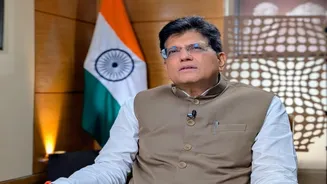
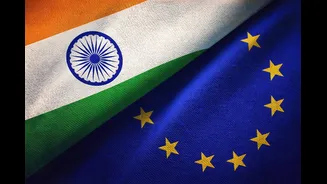
The Indian government views the potential trade agreement with the European Union as a landmark achievement, referring to it as the 'mother of all deals.'
This reflects the significant scope and ambition of the negotiations. The primary aim is to establish a robust framework for trade and investment, facilitating closer economic cooperation between India and the EU. Discussions are ongoing, with progress being made, but complex issues persist that need addressing before the deal can be finalized. These discussions are also occurring in the wake of strengthened economic, technological, and security partnerships between India and Germany. The government and the EU are working to overcome existing obstacles, demonstrating a mutual desire to foster a strong economic partnership.
Addressing Trade Barriers
A significant challenge in the trade talks concerns non-tariff barriers imposed by the EU, which hinder tariff reductions' effectiveness. Removing or reducing these barriers is a crucial aspect of the ongoing negotiations. The aim is to create a more level playing field for Indian businesses. These non-tariff barriers can manifest in various forms, including stringent regulations and standards. The focus is to ensure that the agreement effectively addresses these barriers to maximize the benefits of reduced tariffs. The intent is to facilitate greater access for Indian goods and services to the European market. These measures are designed to increase the volume of trade between India and the EU. This effort aims to foster a more open and equitable trading environment.
Progress in Negotiations
Despite complexities, talks between India and the EU have shown considerable progress. Foreign Secretary Misri has reported positive developments, indicating a shared commitment to reaching an agreement. The negotiations involve detailed discussions on numerous issues, including tariffs, market access, and regulatory frameworks. The progress suggests a mutual determination to overcome obstacles and find common ground. Both sides are working diligently to resolve outstanding issues. The goal is to reach a comprehensive agreement that benefits both parties. This progress is a positive sign for the future of India-EU trade relations. These discussions are also occurring in the wake of strengthened economic, technological, and security partnerships between India and Germany. The government and the EU are working to overcome existing obstacles, demonstrating a mutual desire to foster a strong economic partnership.
Automotive Sector Concerns
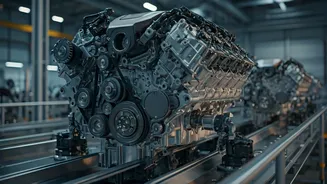
The automotive sector presents a notable area of concern in the trade discussions. European carmakers have expressed caution about aspects of the potential agreement, especially if it includes restrictions. One specific concern is how the trade deal could impact existing market conditions. In 2025, Lamborghini India sold 111 cars, with SUV deliveries increasing by 17% year-on-year. While the luxury car market shows growth potential, the negotiations need to address the interests of both Indian and European automakers. The ongoing discussions are meant to create a balanced outcome. The goal is a deal that promotes fair competition and encourages sustainable growth. The specifics of the agreement will greatly affect the automotive landscape. These measures are designed to increase the volume of trade between India and the EU.