






Eclipse Day Dawns
On August 12, 2026, the world will be treated to a magnificent total solar eclipse, a rare event that promises to plunge daylight into momentary darkness.
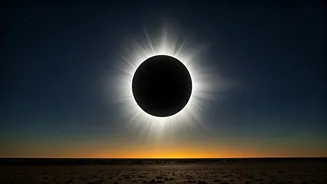
This astronomical marvel, occurring mid-week, is poised to be one of the most significant sky events of the current decade. During this precise alignment, the Moon will glide directly between the Earth and the Sun, completely obscuring our star for a few fleeting minutes. Observers in the path of totality can expect the sky to dim dramatically, temperatures to dip slightly, and the possibility of seeing stars emerge in the daytime sky, creating an ethereal and unforgettable experience. The faint glow of the Sun's outer atmosphere, the corona, will be visible, offering a spectacular visual that few natural events can rival.
Visibility Zones
Unfortunately, the breathtaking spectacle of the August 12, 2026, total solar eclipse will not be universally visible. Astronomical predictions indicate that the path of totality will traverse specific geographical areas, including portions of Russia, the Arctic region, Greenland, Iceland, and the vast expanse of the Atlantic Ocean. For those in India, the eclipse will unfortunately occur during the night hours, meaning the traditional associated rituals like 'Sutak' will not be applicable. This selective visibility highlights the unique nature of solar eclipses and the importance of being in the right place at the right time to witness such a profound celestial event.
Eclipse's Grandeur
What elevates a total solar eclipse to such a revered status among astronomical occurrences? Unlike partial or annular eclipses, which only reveal a portion of the Sun, a total solar eclipse offers the complete package. The Moon perfectly masks the Sun's bright disk, allowing us to witness its ethereal corona, a radiant halo usually hidden from view. This absolute obscuration creates the most dramatic visual transformation, turning midday into a scene reminiscent of twilight. Beyond the scientific awe, many people imbue these eclipses with symbolic meaning, viewing them as moments of profound change, introspection, and cosmic energy. This blend of scientific marvel and personal significance contributes to the enduring fascination surrounding these rare celestial alignments.
Future Eclipses
While the 2026 total solar eclipse is a major event, the cosmos has more wonders in store. Astronomers are already anticipating an even more extraordinary spectacle set to occur on August 2, 2027. This upcoming eclipse is predicted to be one of the longest total solar eclipses observable within the 21st century. Its extended duration promises an even more prolonged and immersive experience for those fortunate enough to witness it. This significant future event underscores the ongoing, awe-inspiring celestial phenomena that continue to captivate scientists and sky-gazers alike, providing continuous opportunities to marvel at the universe's grand design.