







The Overnight Oral Threat
Many people believe that a morning brush is the peak of oral hygiene, providing immediate freshness. However, dental professionals emphasize that the real
battle for your teeth occurs while you sleep. During the day, saliva acts as a natural defense, washing away food particles and neutralizing acids. But when you sleep, saliva production significantly decreases, creating a perfect breeding ground for bacteria. Without the day's accumulated food debris removed, these microbes feast, producing acids that continuously erode tooth enamel for hours, unseen and unfelt until damage manifests.
Is One Brush Enough?
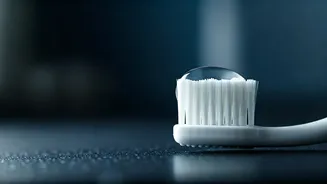
Brushing only once a day, particularly in the morning, is fundamentally insufficient for maintaining robust oral health. While it might leave your mouth feeling clean temporarily, it does little to combat the prolonged bacterial activity that takes place overnight. Plaque, a sticky film of bacteria, begins to reform within hours of brushing. Therefore, if you're a once-a-day brusher, your teeth are left vulnerable to bacterial assault for extended periods. Clinically speaking, prioritizing a nighttime brush is far more critical. It effectively removes the day's buildup of plaque and food particles, giving your teeth a much-needed respite and significantly reducing the risk of damage.
Long-Term Dental Decay
Consistently skipping your nighttime brushing routine can lead to a cascade of serious dental issues. Initially, you might notice persistent bad breath and a noticeable buildup of plaque. Over time, this plaque hardens into tartar, a substance that regular brushing cannot remove and necessitates professional dental cleaning. If left untreated, plaque and tartar can inflame the gums, leading to gingivitis and, eventually, periodontitis. This advanced gum disease can result in tooth loss and has even been linked to systemic health problems, underscoring the profound impact of oral hygiene on overall well-being.
Prioritizing Prevention
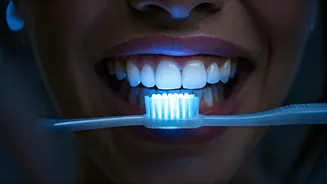
Achieving optimal oral health isn't about occasional intensive cleaning; it's about establishing consistent daily habits. The simplest yet most effective strategy for safeguarding your teeth and gums involves brushing twice a day, especially before you go to bed. Using a fluoride toothpaste further enhances protection. By making this nightly ritual non-negotiable, you actively prevent the prolonged acid attacks and bacterial proliferation that occur during sleep, thereby significantly reducing your risk of cavities, gum disease, and other detrimental oral health conditions.