






El Niño's Yield Blow
Scientific investigation from an ICAR institute has unveiled a concerning pattern: El Niño, a Pacific warming phenomenon, consistently diminishes the output
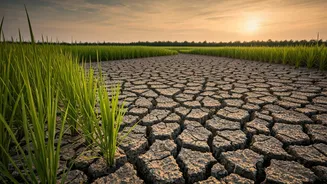
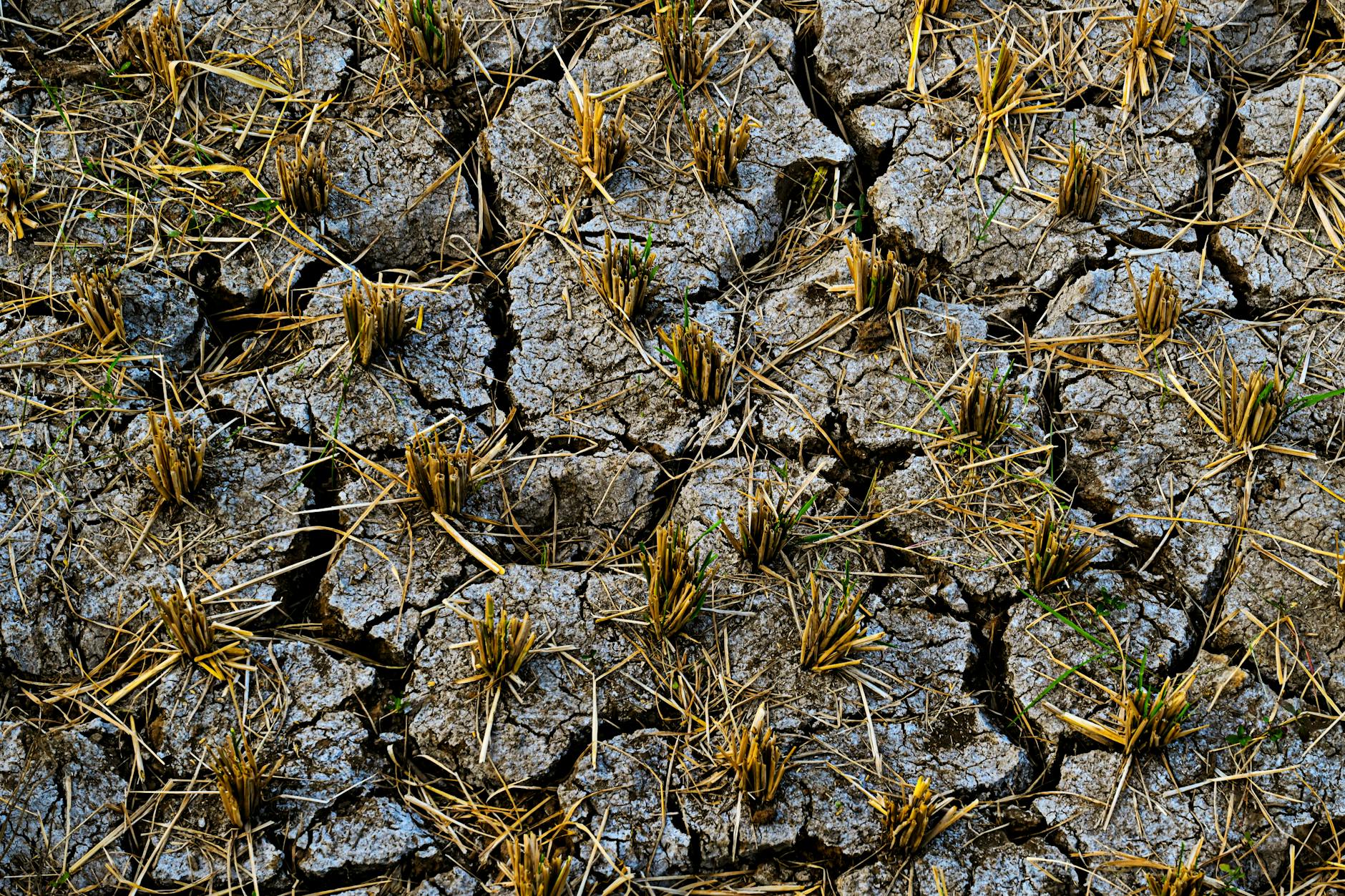
of India's vital kharif crops. This research, spearheaded by Subash N Pillai at the ICAR-Indian Institute of Farming Systems Research, pinpoints substantial yield reductions across numerous districts. Specifically, paddy production experienced a decline exceeding 10% in 77 districts, while maize yields suffered a similar fate, dropping by over 10% in 65 districts during periods influenced by El Niño. These findings underscore the profound vulnerability of agricultural systems reliant on the monsoon cycle to these global climate fluctuations.
Widespread Crop Vulnerability
The adverse effects of El Niño on India's kharif harvests are not confined to a few regions but manifest broadly across key agricultural states. The study highlights that major rice-producing areas, including Andhra Pradesh, Bihar, Chhattisgarh, Madhya Pradesh, Maharashtra, Uttar Pradesh, Jharkhand, and Odisha, bore the brunt of these yield reductions. Beyond rice and maize, other essential crops also faced significant setbacks. Sorghum and pearl millet, staples in many parts of India, saw their yields decrease by more than 10% in 36 districts each when El Niño conditions prevailed. This broad impact across diverse crops emphasizes the systemic risk posed by such climatic events to the nation's food security and the livelihoods of its farmers.
Understanding El Niño's Mechanism
El Niño is recognized as a significant climate pattern characterized by the unusual warming of ocean surface temperatures in the central and eastern tropical regions of the Pacific Ocean. This phenomenon is intrinsically linked to a weakening of the Indian summer monsoon, a critical factor for agriculture across the country. The study, published in the 2023 edition of the Elsevier journal 'Climate Services', meticulously analyzed data from three past El Niño years: 2002, 2004, and 2009. By examining these historical events, the research provides invaluable insights for policymakers and agricultural stakeholders, equipping them with the knowledge to develop and implement both short-term and long-term contingency plans to mitigate the anticipated challenges.
District-Level Resilience Planning
The research unequivocally demonstrates that El Niño years introduce substantial unpredictability in the timing and intensity of the Indian summer monsoon rainfall, leading to marked decreases in the productivity of staple kharif crops like rice, maize, pearl millet, and sorghum across many Indian districts. As Dr. Pillai, who also heads the Agricultural Physics division at ICAR-Indian Agricultural Research Institute, stated, the study identified numerous districts highly susceptible to yield declines exceeding 10% during recent El Niño periods. This granular identification of vulnerable areas is crucial for fostering climate-resilient agricultural planning at the district level, enabling targeted interventions and resource allocation to bolster farming communities against such climatic shocks.
Proactive Measures for Farmers
Given the likelihood of El Niño conditions persisting, it is imperative for policymakers to bolster contingency planning mechanisms. Dr. Pillai stresses the importance of promoting the adoption of drought-tolerant crop varieties, enhancing weather-based agro-advisory services to provide timely and relevant information to farmers, implementing efficient water management techniques, and developing location-specific adaptation strategies. By prioritizing these measures, the agricultural sector can significantly minimize potential losses, safeguard the incomes of farmers, and ensure the stability of food supplies for the nation.