


High-Speed Rail Defined
High-speed rail refers to a type of passenger rail transport that operates at significantly higher speeds than traditional railways. These systems are
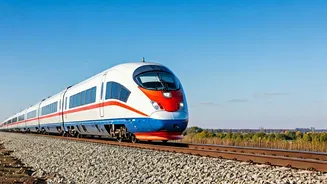
typically designed for speeds exceeding 200 kilometers per hour (124 miles per hour). The primary goal of high-speed rail is to facilitate efficient and rapid travel between cities, reducing travel times and easing congestion on roadways and in the air. High-speed rail infrastructure often includes dedicated tracks, advanced signaling systems, and specialized rolling stock to ensure safety and efficiency at elevated speeds. These systems are crucial for fostering economic development as they promote trade, tourism, and connectivity between urban centers. They also play a role in reducing carbon emissions compared to air travel, offering a more sustainable transport alternative. The implementation of high-speed rail also involves significant investment in infrastructure, including new track construction, station development, and the procurement of high-speed trains. These projects can generate employment opportunities and stimulate economic activity in the regions served by the rail corridors. Furthermore, high-speed rail can enhance urban connectivity, facilitating the movement of people and goods and supporting regional development.
Urban Push in Budget
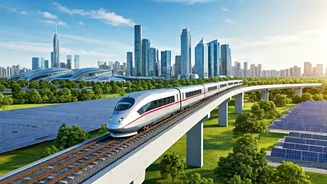
Budget 2026’s focus on high-speed rail corridors reflects a broader strategy to boost urban development across India. The government's push for improved infrastructure aims to transform cities into hubs of economic activity and innovation. The development of high-speed rail is seen as a key component of this urban growth model, connecting cities and fostering better access to resources, markets, and opportunities. This strategic investment in high-speed rail is expected to contribute to economic growth by enhancing connectivity between key urban centers. The resulting improvements in transportation infrastructure would facilitate trade, attract investment, and support the creation of jobs. These urban development initiatives are aligned with the government’s vision to promote sustainable and inclusive growth across India. The development of high-speed rail corridors would not only enhance connectivity but also serve as a catalyst for urban renewal and economic expansion in cities across the nation. Further investments in infrastructure, such as modernizing existing railway lines and developing new airports, would contribute to a more efficient and integrated transportation network.
Seven Key Corridors
Budget 2026 outlines plans for seven high-speed rail corridors, intended to link various growth cities. These strategic corridors aim to improve connectivity and promote economic development across different regions of India. The details of these specific corridors, including their proposed routes and the cities they will connect, were not explicitly detailed in the provided information. However, the announcement signifies a significant investment in infrastructure and a commitment to modernizing the nation's transportation systems. This ambitious project aims to integrate urban centers and boost economic opportunities by creating efficient transportation links. The government's focus on these specific corridors underscores the strategy of supporting growth hubs and enhancing urban development by providing modern, high-speed rail links. Each corridor is expected to bring substantial benefits to the areas it serves, including better accessibility, increased investment, and enhanced economic activity. By focusing on these connections, the government demonstrates its commitment to fostering inclusive and sustainable development in India.