






Economic Data Driving Markets
The trajectory of gold prices in the upcoming week is largely expected to remain robust, as market participants keenly await a raft of significant economic
indicators. These include critical US inflation data, which will provide vital clues regarding the potential direction of interest rates. Beyond US figures, inflation readings from China, Germany, and India will also be closely scrutinized by traders. Furthermore, pronouncements from officials at the US Federal Reserve will be under the microscope, offering insights into the timing of any prospective interest rate adjustments and their subsequent impact on bullion valuations. Analysts suggest that while gold may exhibit consolidation and recovery, indicating a positive underlying bias, silver is likely to endure considerable volatility, with potential for further downward corrections. This cautious stance on silver stems from its susceptibility to shifts in risk sentiment and active speculative positioning within the market.
Recent Volatility Explained
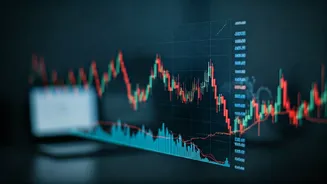
The past week witnessed significant price swings in both gold and silver futures. Gold futures on the Multi Commodity Exchange saw a substantial climb of Rs 7,698, marking a 5.2 per cent increase, whereas silver futures experienced a sharp decline of Rs 15,760, nearly 6 per cent. This turbulence was amplified by a strong dollar rebound, evolving expectations about the Federal Reserve's monetary policy, and aggressive unwinding of investor positions, leading to one of the most pronounced corrections in gold prices in decades. Factors contributing to this included easing geopolitical tensions between Washington and Tehran, progress in trade negotiations, and a reduced risk of a US government shutdown, all of which diminished safe-haven demand. Additionally, the nomination of Kevin Warsh as the next Fed Chair prompted traders to temper expectations of aggressive rate cuts. This period of selling pressure was exceptionally severe for gold, recording its sharpest decline in approximately forty years, while silver faced amplified pressure due to heavy call option positioning, margin calls, and speculative liquidations.
Domestic Market Impact
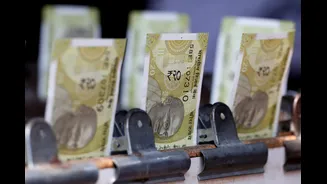
The volatility was not confined to international markets; domestic bullion prices also experienced significant fluctuations. Despite the Union Budget largely meeting expectations with no major surprises, the Indian market's bullion segment remained unsettled, influenced by the erratic movements of the rupee. A weakening USD/INR exchange rate, spurred by advancements in potential trade agreements between New Delhi and Washington, exerted downward pressure on local gold and silver prices. However, even after this steep sell-off, signs of stabilization began to emerge. The easing of forced liquidation, coupled with a return of value buying across both metals, indicated a potential shift. A subsequent sharp rebound in prices was facilitated by weaker economic data and the renewed buying interest at lower price points following gold's near 15 per cent correction. Domestic gains were further bolstered by the USD/INR's recovery from its recent troughs, adding another layer of support to bullion valuations.
Fundamentals and Future Outlook
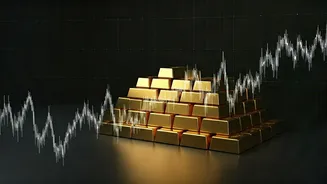
Internationally, gold futures on the Comex registered a gain of USD 234.7, or nearly 5 per cent, over the past week, rebounding to USD 5,000 per ounce from a low of USD 4,400 per ounce. Fundamentally, the underlying drivers for gold remain largely unchanged, with geopolitical uncertainties continuing to prevail. Central banks and Exchange Traded Fund (ETF) investors persist in increasing their gold holdings, and even cryptocurrency firms have stepped up purchases to establish and trade gold tokens backed by physical assets. Conversely, silver futures remained under pressure, experiencing a decrease of USD 1.63, or 2.08 per cent. Silver's price action is characterized by significant volatility as it navigates a period of extreme fluctuations following a parabolic rally that concluded abruptly on January 30, a 'flash crash' that saw prices plummet from an all-time high of around USD 121 to a recent low of USD 64 per ounce. Despite this, resilient physical demand from China in anticipation of the Lunar New Year is expected to provide some support and absorb further selling pressure. Broader fundamentals are projected to continue supporting bullion through 2026, driven by consistent central bank acquisitions, prevailing fiscal concerns, and ongoing geopolitical risks, although near-term volatility is expected to remain elevated.