


The Tight Scalp Signal
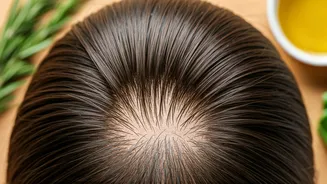
Samantha Ruth Prabhu, the acclaimed actress, recently shared a crucial insight into maintaining healthy hair: recognizing a tight scalp as an early warning
sign. She explained that when her scalp feels constricted, it's an immediate cue for her to indulge in an oil massage and conditioning treatment. This proactive approach stems from her realization that a perpetually tight scalp indicates that hair isn't receiving the care it needs. By listening to her scalp, she aims to prevent potential damage before it becomes significant, emphasizing the importance of a relaxed scalp for overall hair vitality and health.
Understanding Traction Alopecia
Experts echo Samantha's sentiments, highlighting how everyday styling choices can significantly impact scalp health. Tying hair with excessive tension, particularly when it's wet or delicate, can lead to hair breakage and put undue stress on hair follicles. Dr. Ajay Dodeja warns that prolonged, tight hairstyling can progress from reversible breakage to irreversible hair loss, a condition known as traction alopecia, caused by permanent damage and scarring of the follicles. This form of hair loss typically affects areas where the tension is most concentrated.
The Strain of Tight Styles
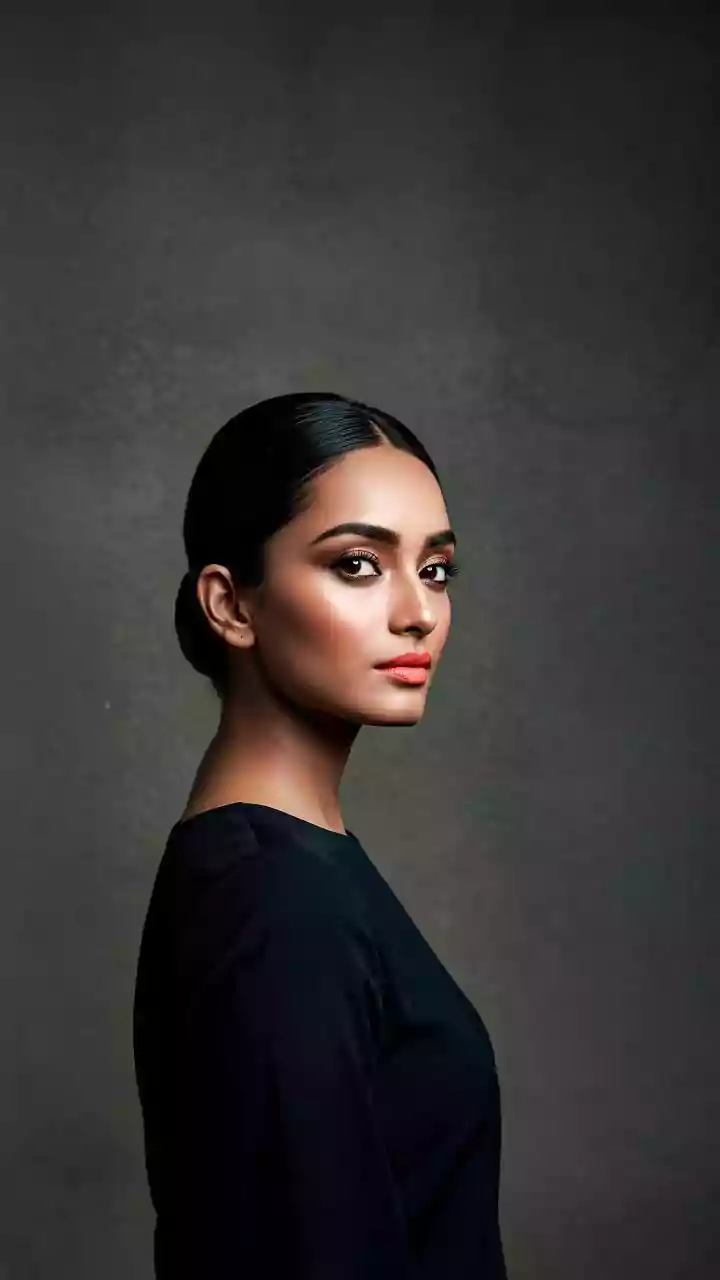
According to Dr. Aniket Mule, styles like high ponytails, tight buns, and intricate braids exert constant pressure on both the hair roots and the scalp itself. This persistent pulling isn't merely an aesthetic concern; it can render the scalp hypersensitive and lead to a persistent feeling of discomfort. These styles can weaken the anchor of the hair, gradually leading to thinning or complete hair loss in the affected regions, making early recognition of symptoms vital for recovery.
Recognizing Early Signs
The initial indicators of scalp distress due to tight hairstyles can be subtle yet noticeable. These may include a tender scalp, persistent headaches, or the appearance of small bumps around the hair follicles. Dr. Mule points out that the persistent tension can even trigger conditions like 'ponytail headaches,' characterized by a dull ache or discomfort stemming from prolonged stress on the scalp's nerves and connective tissues. Individuals prone to headaches or those with sensitive scalps might experience these symptoms more acutely, underscoring the need for prompt attention.
Looser Styles for Health
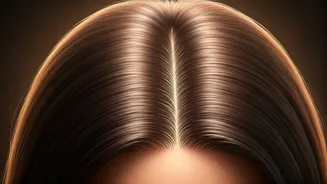
The most straightforward yet impactful strategy for healthier hair and scalp is to opt for looser hairstyles. Dr. Dodeja advises against maintaining excessive tension in the same areas consistently, suggesting varying hair partings and ensuring the scalp gets regular respites from constrictive styles. Using soft hair ties and minimizing prolonged periods of tension are also crucial steps. Prioritizing gentler styling methods and being attuned to early warning signs like pain or tightness can significantly contribute to maintaining both the health and comfort of your scalp.