




Why Sing at Night?
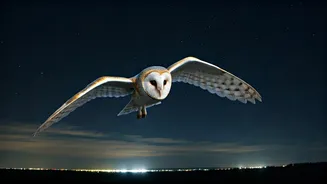
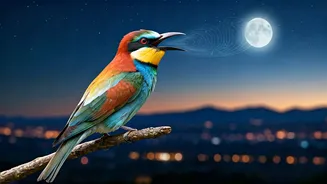
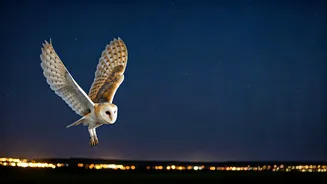
While most birds follow a biological rhythm that favors rest after sunset, certain species engage in vocalizations well into the night. This isn't random;
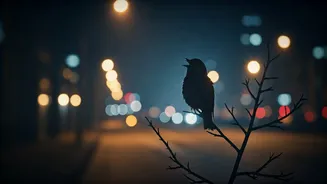
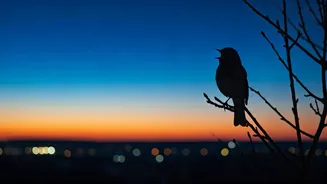
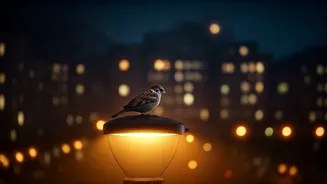
it's often a strategic response to their environment. In bustling urban landscapes, the constant presence of artificial lights can confuse natural day-night cycles, prompting birds to adjust their singing schedules. The persistent noise pollution of cities also makes it challenging for birds to effectively communicate during daylight hours, pushing them to seek out the relative quiet of the night for crucial messages. Furthermore, some adaptable urban species are more prone to these late-night vocal performances, indicating a behavioral shift driven by their surroundings.
Territory and Competition
One of the primary motivations for birds to sing after dark is the establishment and defense of their territory. The night can provide a less crowded and potentially safer platform for males to announce their presence to rivals and to proclaim ownership of their space. This is especially relevant in urban settings where the pervasive glow of city lights can disrupt the natural cues that birds rely on to regulate their activity. The continuous soundscape of urban life can also muffle daytime vocalizations, making it harder for birds to be heard over the din. Consequently, they may opt for the quieter hours of the night to ensure their territorial pronouncements are clear and effective, minimizing interference from other birds and anthropogenic noise.
The Quest for Mates
Beyond territorial claims, nocturnal singing serves a critical role in mate attraction, particularly for certain species during their breeding seasons. Males might choose to sing at night as a way to distinguish themselves from a multitude of competing individuals. This nighttime serenade can be a potent signal of their fitness, availability, and desirability to potential female partners. The cloak of darkness can also offer a sense of security, diminishing the risk of predation, thus allowing these males to vocalize more freely and with less apprehension. This strategy capitalizes on the absence of visual predators and the reduced auditory competition, making their calls more impactful in the pursuit of reproduction.
Species-Specific Traits
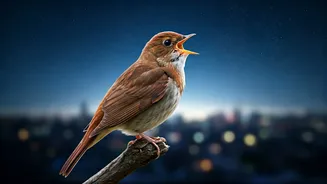
For some avian species, singing at night is not merely an opportunistic behavior but an intrinsic part of their species' biological makeup. The common nightingale, for instance, is renowned for its elaborate and melodious songs, which it frequently performs under the cover of darkness. While the precise evolutionary reasons are still under scientific investigation, it's widely believed that this nocturnal vocalization is intricately linked to both reinforcing territorial boundaries and attracting mates. This specialized behavior highlights the diverse strategies birds employ for survival and reproduction, showcasing how certain species have evolved to master the nocturnal soundscape.
Environmental Triggers
Various environmental cues can also act as catalysts for nocturnal bird vocalizations. Subtle shifts in atmospheric conditions, such as changes in temperature or humidity, can prompt some birds to sing. Even the presence of artificial light, a hallmark of urban environments, can trigger these nighttime songs. For example, a sudden drop in temperature might encourage a bird to vocalize, perhaps as a means of conserving energy or to communicate its location to other members of its species within its vicinity. These environmental responses underscore the sensitivity of birds to their surroundings and their ability to adapt their communication strategies accordingly.