






Derivatives Trading Changes
The Budget 2026 introduced modifications impacting derivatives trading. Specifically, the Securities Transaction Tax (STT) on options premiums was increased
to 0.15%. This move is likely intended to generate more revenue and possibly influence trading behavior in the derivatives market. Traders and market participants should anticipate a rise in the cost associated with options trading due to this adjustment. This change directly impacts those actively involved in derivative markets, potentially affecting trading volumes and strategies.
Electronics Boost Announced
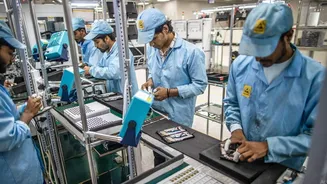
A major highlight of the budget was the increased allocation towards the electronics component scheme. The government significantly boosted the outlay to ₹40,000 crore. This substantial investment signifies a strong push towards strengthening the domestic electronics manufacturing ecosystem. Such initiatives are aimed at enhancing local production capabilities, reducing reliance on imports, and boosting economic growth by creating employment opportunities within the sector.
Market Reactions & BSE Dip
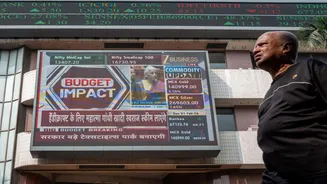
Following the budget announcement, the stock market exhibited notable reactions. The Bombay Stock Exchange (BSE) experienced a significant downturn, with its stock price declining by 15%. This immediate drop indicates investor concerns or a reassessment of the budget's impact on the company or broader economic conditions. Market analysts often watch these initial reactions closely to understand how key announcements are received by investors and to gauge potential shifts in market sentiment.
Container Manufacturing Scheme
The budget included a ₹10,000 crore scheme dedicated to fostering container manufacturing. This initiative highlights the government's focus on bolstering the infrastructure sector and improving logistics. Such investment could lead to growth within the manufacturing sector, enhance transportation efficiency, and potentially create new jobs in related industries. The implementation of this scheme is expected to have a cascading effect, influencing various aspects of the economy.
NRI Property TDS Simplification
Changes were introduced to simplify the Tax Deducted at Source (TDS) rules for property transactions involving Non-Resident Indians (NRIs). These changes aim to streamline the process, making it easier for buyers and sellers to comply with tax regulations. By simplifying these rules, the government hopes to encourage investment in the real estate sector and reduce compliance burdens for both parties involved in these transactions.
Biopharma Manufacturing Push
Another key scheme announced in Budget 2026 was a ₹10,000 crore initiative designed to promote biopharma manufacturing. This underlines the government's commitment to advancing the healthcare and pharmaceutical industries. This investment has the potential to boost innovation, enhance domestic production capacity, and improve access to essential medicines and treatments for the population. This strategic investment in biopharma could potentially establish India as a major player in this crucial field.
Customs Duty Reforms
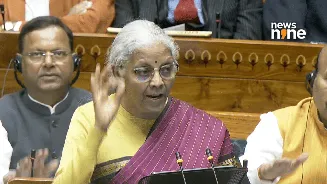
Finance Minister Sitharaman announced major reforms in customs duty as part of the budget. These reforms are generally aimed at streamlining trade processes and fostering a more efficient import and export environment. The specifics of these reforms weren't detailed in the provided context, but such overhauls typically involve adjustments to tariffs, simplification of procedures, and measures to combat smuggling and trade malpractices. The outcome of such reforms can influence the competitiveness of Indian businesses on the global stage.
Tax Deadline Relief
The Budget 2026 offered a relief to taxpayers who missed their tax filing deadlines by extending the deadline to March 31. This extension provides an opportunity for individuals and businesses to rectify any oversights and comply with their tax obligations. This initiative can help reduce penalties and ensure greater tax compliance rates by allowing more taxpayers to avoid any late filing charges. The extension also recognizes that unforeseen challenges may arise, requiring flexibility in tax filing processes.
TCS Relief Announced
The budget offered relief by reducing Tax Collected at Source (TCS) on foreign education and medical travel. This measure aims to ease the financial burden for individuals undertaking these essential activities. A lower TCS rate implies that individuals will have to pay less upfront when remitting funds abroad for educational or medical expenses. This can indirectly support individuals needing to send funds abroad and lessen the immediate financial strain associated with foreign education or medical treatment.
Fiscal Deficit Target
The Finance Minister set a fiscal deficit target of 4.3% of the GDP for the fiscal year 2027. This target demonstrates the government’s commitment to fiscal discipline and responsible financial management. This figure represents the difference between the government's total revenue and its total expenditure, with the aim to keep spending in control. Setting and achieving a target indicates the government's strategy for stabilizing the economy and maintaining investor confidence.