







The AI Chip Shortage
The global demand for memory chips, crucial for both everyday devices and advanced AI applications, has created a significant supply constraint. Companies
developing AI technologies, such as those powering data centers and complex algorithms, are now prioritizing these memory components. This surge in demand from the AI sector is outstripping current production capabilities. The few dominant manufacturers of RAM, like Samsung, SK Hynix, and Micron, which collectively control approximately 93% of the market, are finding themselves unable to meet the combined needs of consumer electronics and the rapidly expanding AI industry. Consequently, memory costs have seen dramatic increases, with some reports indicating rises of 200-300% in recent months. This escalating component expense places immense pressure on device manufacturers, particularly those operating in the more price-sensitive mid-range and entry-level market segments, where profit margins are already thin.
RAM: The New Bottleneck
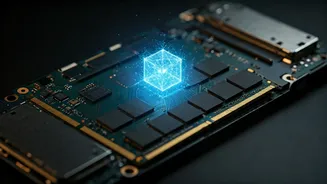
Random Access Memory (RAM) is a fundamental element in virtually all computing devices, serving as the short-term memory that enables simultaneous application operation. While RAM production has historically kept pace with consumer needs, the current AI boom has drastically altered this landscape. Major tech players like OpenAI, Meta, and Google are consuming vast quantities of memory to fuel their extensive data centers. These AI-focused data centers demand significantly more high-performance memory, such as High-Bandwidth Memory (HBM), compared to standard consumer electronics. For instance, advanced AI processors incorporate multiple blocks of HBM, reaching capacities like 288GB in systems like Nvidia's Rubin GPU. In stark contrast, typical smartphones offer much lower capacities, often in the range of 8GB to 16GB of less powerful DDR memory. This disparity highlights the intense competition for memory resources, with AI applications taking precedence, thereby impacting the availability and cost of RAM for devices like smartphones and laptops.
Impact on Phone Prices
The escalating cost of RAM is directly translating into higher prices for smartphones, especially in the mid-range segment. Manufacturers, operating on slim margins, are compelled to pass on increased component expenses to consumers. Brands that previously aimed for steady pricing, such as Apple and Samsung, have begun launching new devices at marginally higher price points. For example, the Samsung Galaxy S26 series saw a notable price jump compared to its S25 predecessors, with the S26 Plus increasing by 20%. Similarly, the British company Nothing has also adjusted prices for its latest Phone 4a series. Even Lenovo-owned Motorola has seen its mid-range Edge 70 launch at a higher price than its predecessor. Apple, typically known for absorbing cost increases, has also raised prices on its new iPhone 17e. This widespread trend indicates that the higher cost of RAM is affecting various segments of the market, forcing companies to re-evaluate their pricing strategies and potentially impacting consumer purchasing decisions.
Mid-Range Market Squeezed
The mid-range smartphone market, typically encompassing devices priced between Rs 20,000 and Rs 50,000 in India, is particularly vulnerable to the RAM shortage. This segment is crucial for most phone companies, yet it operates with tight margins, making it difficult to absorb rising component costs. The low-end segment is hit even harder, as the economic viability of producing devices priced around $100 becomes questionable. This crisis could force manufacturers to either discontinue budget phone lines or significantly increase their prices, diminishing their affordability. While companies secured enough memory for the first half of the year, the situation is projected to worsen in the latter half as inventories deplete and production shifts to devices with more expensive components. The increasing focus on 'AI phones,' which require more on-device RAM for advanced features, further exacerbates the challenge, potentially hindering the promise of AI processing shifting away from the cloud to personal devices.
Future Consumer Choices
Consumers looking to purchase smartphones in the near future will likely face a difficult trade-off: higher prices for devices with comparable or even less RAM, or accepting less powerful hardware. The RAM shortage is predicted to persist for at least the next couple of years, potentially extending well into 2027. Expanding memory production capacity is a lengthy process, typically taking two to three years for new fabrication facilities to become operational. Meanwhile, the demand from AI data centers continues its rapid growth, often receiving preferential treatment from suppliers through long-term agreements. Consequently, even when supply eventually improves, memory prices are unlikely to return to previous levels. Analysts forecast a significant decline in the global smartphone market, partly due to reduced affordability caused by these price increases. This situation might also impact the marketing of AI's capabilities, as smartphones and laptops remain the primary gateways for experiencing these technologies. Manufacturers are thus faced with the challenge of balancing AI features, RAM capacity, and pricing, potentially leading to devices with less RAM, reduced internal storage, or older processors, all while consumers pay more.