
FTA: A New Era
The India-EU Free Trade Agreement (FTA) represents a significant development in the economic relationship between India and the European Union. This agreement
is anticipated to bring about considerable changes across various sectors, but its impact is particularly noticeable within the automotive industry. As import tariffs are reduced, luxury car brands are poised to experience a boost in long-term demand. Simultaneously, local auto component manufacturers are welcoming the prospects offered by the trade deal. However, this shift in the market dynamics poses a potential challenge for established domestic automakers, creating a complex interplay of winners and those who may face difficulties in adapting.
Luxury Car Price Drops?
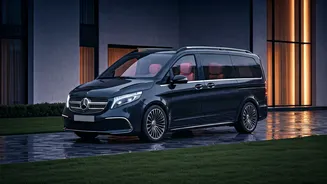
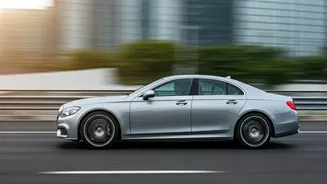
One of the most immediate impacts of the India-EU FTA is expected to be a reduction in the prices of luxury vehicles. Currently, high import duties significantly inflate the cost of these premium cars, making them less accessible to a broader consumer base. With the FTA in effect, the gradual decrease in these duties could translate into more affordable prices for cars from well-known brands such as Mercedes and Lamborghini. Consequently, this scenario may lead to a rise in demand for luxury vehicles, as more consumers find them within their financial reach. This shift could significantly alter the competitive landscape of the Indian automotive sector, giving luxury brands a firmer foothold in the market.
Component Makers Benefit
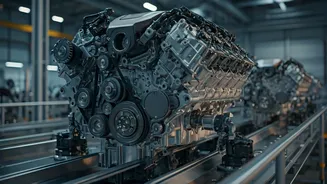
Alongside the potential price adjustments for luxury cars, the India-EU FTA is viewed positively by local auto component manufacturers. These businesses stand to gain from enhanced market access and trade facilitation with the EU. The reduction in trade barriers can streamline the import and export of automotive components, leading to a more efficient supply chain. This, in turn, can help lower production costs and increase competitiveness. The advantageous positioning for local manufacturers will likely result in increased sales and growth within this sector. Furthermore, the FTA could attract more investment, bolstering India's position as a key player in the global automotive component market.
Domestic Automakers' Outlook
While luxury car brands and component makers anticipate positive outcomes, the FTA presents a potentially different scenario for domestic automakers. Facing increased competition from European brands, these companies might experience a dip in their market share. The easing of import duties enables European automakers to offer their vehicles at more competitive prices, intensifying the competition in the Indian market. In response, domestic automakers may need to adopt new strategies, such as improving product offerings, enhancing marketing efforts, or innovating to remain competitive. This evolving environment underscores the need for strategic adaptability among Indian automakers to ensure they maintain their standing and profitability in the long run.