






The Tier 2-3 Growth Wave
The real estate landscape is rapidly evolving, with smaller cities now at the forefront of development and investment opportunities. These Tier 2 and Tier 3
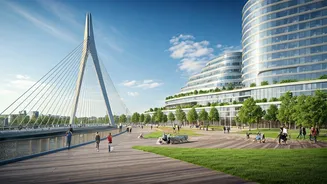
urban centers are experiencing a surge in interest from both seasoned investors and individuals planning their retirement. Property prices in these locales remain comparatively affordable, offering a stark contrast to the exorbitant costs found in major metropolises. This affordability, coupled with ongoing infrastructure enhancements and growing demand, is creating a fertile ground for significant future appreciation. Investors are recognizing the potential for strong returns as these cities mature, attracting a diverse range of businesses and residents. The appeal lies not only in the lower entry costs but also in the promising growth trajectory, making them a compelling alternative to saturated larger markets. This strategic migration is reshaping the urban development narrative, focusing on sustainable growth and improved living standards.
Affordability Meets Infrastructure
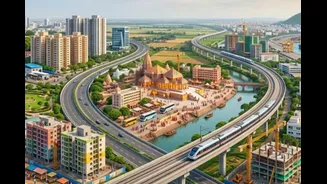
A key driver behind the growing appeal of Tier 2 and Tier 3 cities is their remarkable affordability. While a three-bedroom, hall, kitchen (3BHK) apartment in a major metro can easily exceed Rs 1 crore, similar properties in these smaller cities are typically priced between Rs 30 lakh and Rs 1.5 crore. This substantial price difference makes homeownership more accessible to a broader segment of the population. Furthermore, these cities are experiencing significant upgrades in their infrastructure. Investments in new expressways, airports, and smart city initiatives are dramatically improving connectivity, making travel more efficient and convenient. For example, commutes between major hubs and surrounding towns have become considerably faster. Real estate data reflects this trend, showing a notable increase in housing demand, estimated at 20-25% in recent years. Projections indicate a promising price appreciation of 25-100% in the coming years, underscoring the robust investment potential.
Retiree Haven Benefits
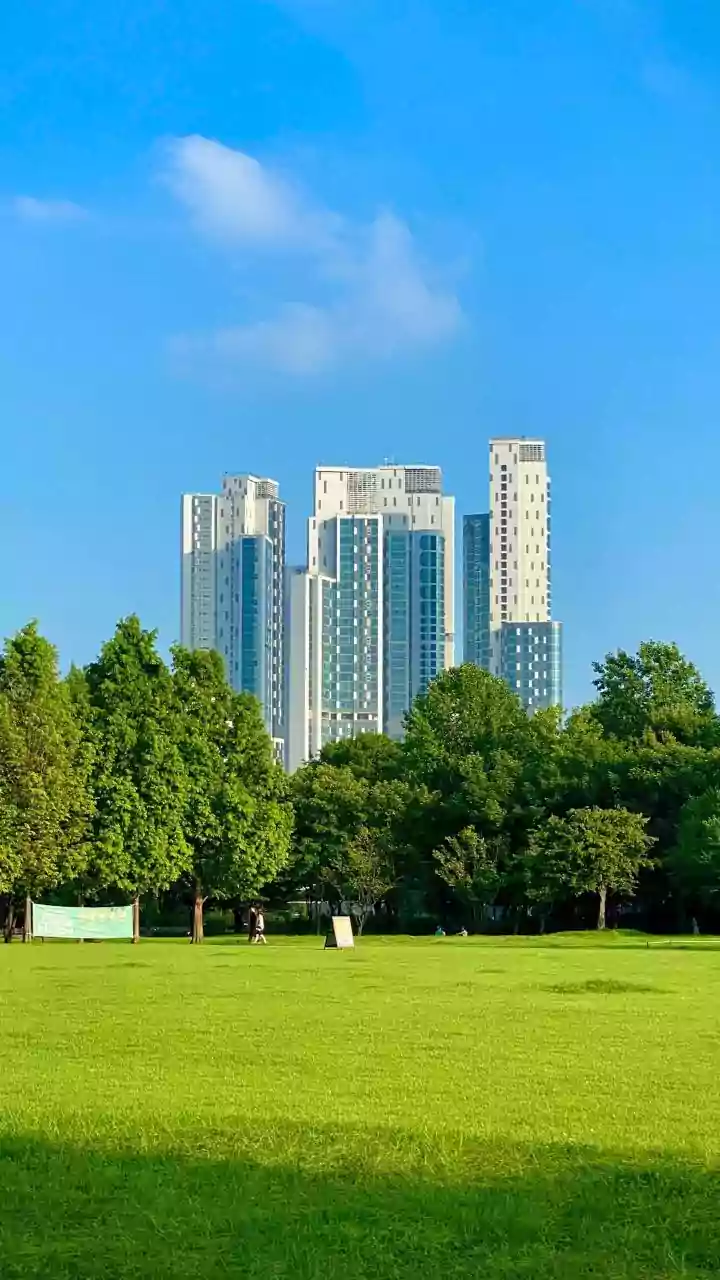
Beyond financial considerations, smaller cities offer compelling lifestyle advantages, particularly for retirees. The reduced levels of pollution contribute to a healthier living environment, while the generally quieter surroundings and abundant open spaces foster a more relaxed and tranquil existence. Daily living expenses, encompassing housing, utilities, and essential goods, are considerably lower, enabling retirees to stretch their savings further and maintain a comfortable lifestyle. Moreover, the social fabric in these cities often features stronger community networks, which can significantly combat feelings of isolation and enhance overall well-being. While access to highly specialized medical services might be a concern in some remote areas, ongoing infrastructure improvements and better connectivity to larger urban centers are steadily addressing this gap, making these cities increasingly viable for long-term retirement living.
Emerging Investment Hubs: Tier 2 Spotlight
Several Tier 2 cities are rapidly emerging as significant economic and real estate destinations. Indore, consistently recognized for its cleanliness, is also experiencing robust growth in its manufacturing and IT sectors, offering excellent opportunities in real estate and logistics. Surat, a renowned diamond and textile hub, boasts a strong job market and significant potential in real estate and industrial development. Lucknow, the capital of Uttar Pradesh, is benefiting from rapid infrastructure expansion and a burgeoning real estate market, presenting attractive residential and commercial prospects. Jaipur, known for its tourism and IT sector, is drawing increasing NRI investment into its real estate and retail markets. Coimbatore, a prominent industrial and educational center, is witnessing significant startup growth, driving demand in industrial and residential properties. Nagpur, strategically located, is developing into a key logistics hub, with opportunities in warehousing and aviation. Bhubaneswar, a smart city with a growing IT ecosystem, is seeing rapid development in residential and IT park projects. Lastly, Kochi, a vibrant port city, offers a high quality of life and tourism appeal, making its real estate and commercial sectors attractive.
Tier 3 Gems: Future Growth
The appeal of smaller urban centers extends even to Tier 3 cities, which are increasingly attracting attention due to their low entry costs and high growth potential. Panchkula and Mohali, benefiting from their proximity to Chandigarh, are seeing development driven by the IT and pharma sectors, with premium housing becoming a significant investment category and a very fast growth outlook. Raipur and Bilaspur in Chhattisgarh are poised for strong growth due to their established industrial base and mineral resources, offering potential in both residential and industrial real estate. Visakhapatnam, a vital port city, has robust long-term prospects driven by its defense industry and tourism, making it attractive for industry and real estate investments. Ayodhya and Vrindavan, bolstered by their status as major religious tourism destinations, are experiencing a surge in demand for hotels and residential properties, with significant potential for price increases. Udaipur, renowned for its tourism and luxurious lifestyle, presents a steady market for luxury properties with inelastic demand, reflecting its enduring appeal.