





Delimitation's Disadvantage
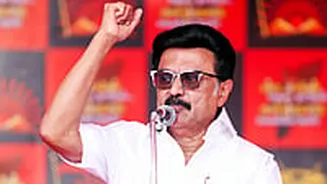
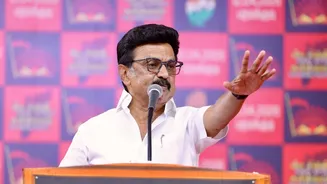
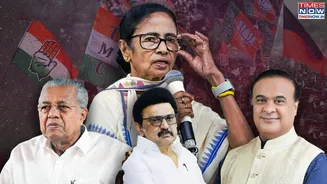
Chief Minister M.K. Stalin has voiced grave concerns regarding the delimitation process initiated by the central government, asserting that it unfairly
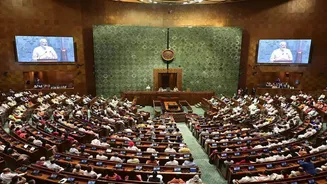
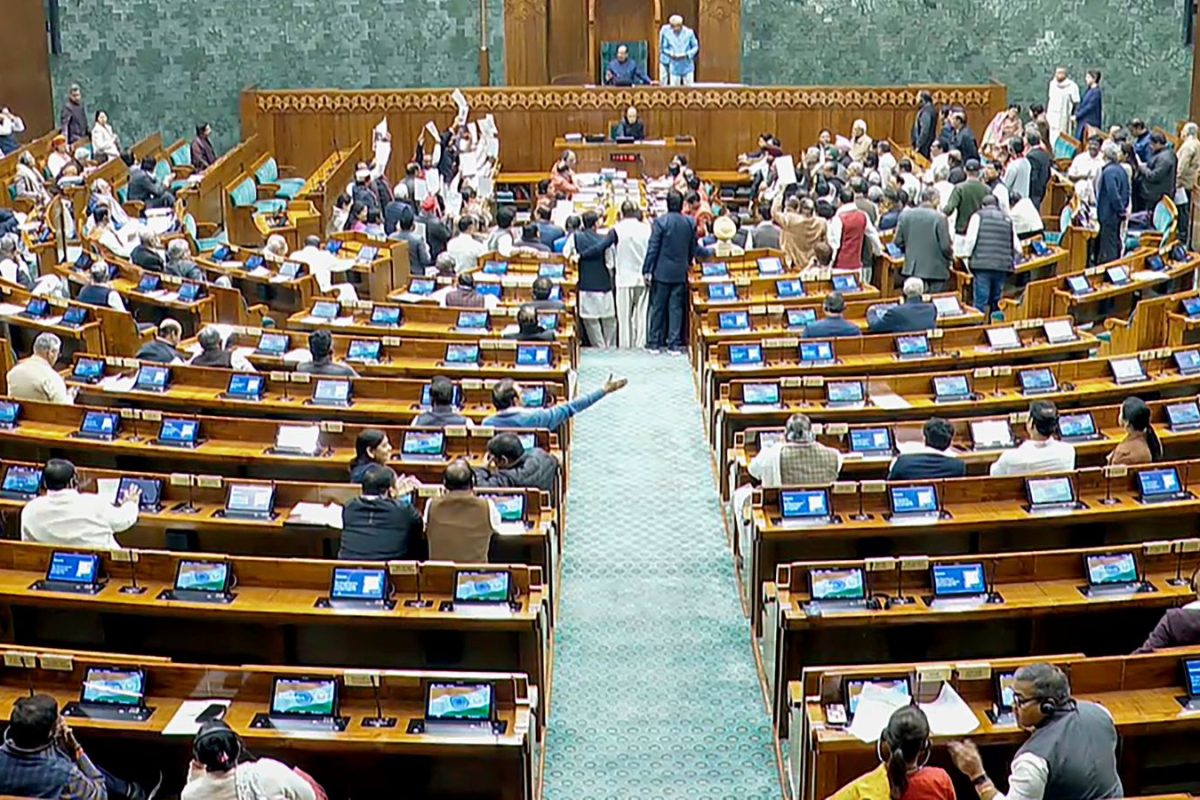
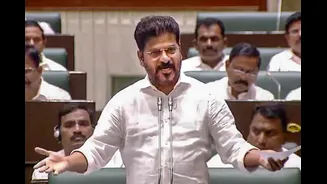
overlooks the population of Tamil Nadu. He contends that this exercise will significantly diminish the state's voice and influence within the Parliament, a move he finds unacceptable. Stalin emphasized that this is not a matter of political difference but a fundamental issue of safeguarding state interests and ensuring equitable representation. He indicated that the DMK, and indeed Tamil Nadu, would not stand idly by while their political standing is undermined. The Chief Minister’s firm stance suggests a principled stand against what he perceives as an injustice that could have long-term ramifications for the state's federal standing and its ability to advocate for its citizens' needs and development goals. This opposition stems from a belief that such exercises should be population-sensitive and aim for fairness rather than potentially skewing power dynamics.
Protest and Warning
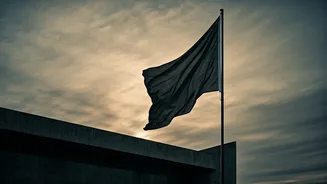
In response to the perceived unfairness of the delimitation exercise, Chief Minister Stalin announced a significant statewide black flag protest scheduled for April 16. This planned demonstration aims to visibly express the collective dissent of Tamil Nadu against the central government's actions. Beyond the protest, Stalin issued a stern warning to the Centre, indicating that ignoring Tamil Nadu's concerns would lead to severe repercussions and a "heavy price." This strong language underscores the depth of the state's dissatisfaction and its resolve to fight for its rights. The Chief Minister framed this as a fight for self-respect and the rights of "a self-respecting Tamil." The protest is intended to send a clear message that Tamil Nadu will not passively accept any decision that compromises its political representation and federal standing, highlighting a determined effort to influence policy through public demonstration and strong political rhetoric.
A Call for Unity
Recognizing the broad implications of the delimitation exercise, Chief Minister Stalin extended an appeal for national unity, urging all political parties and Members of Parliament across India to unite in safeguarding democracy. He stressed that this issue transcends party affiliations and individual interests, focusing instead on the fundamental right to representation for all citizens. Stalin highlighted that the potential disadvantage to southern states, including Tamil Nadu, could be a form of "punishment for contributing to India’s progress," questioning the fairness of such treatment. He expressed that people across southern India are experiencing significant anger. The Chief Minister’s outreach aims to build a consensus and a united front against what he views as a "massive, historic injustice" that could disproportionately benefit northern states and widen the gap in political influence, potentially impacting the federal balance of power.
Historical Context
Chief Minister Stalin drew parallels to historical movements led by the DMK, referencing past agitations during the 1950s and 1960s concerning state rights and opposition to the imposition of Hindi. This historical context serves to underscore the DMK's long-standing commitment to protecting Tamil Nadu's autonomy and interests against perceived central government overreach. The party, founded in 1949 by C.N. Annadurai, has a legacy of championing Dravidian identity and advocating for regional rights. Stalin's invocation of this history suggests that the current delimitation issue is part of an ongoing struggle for federal fairness and against policies that could diminish the political power and developmental capacity of southern states relative to northern ones. He also pointed to alleged "conspiracies" within legislative proposals, like the women's reservation bill, that he believes could exacerbate these disparities once delimitation is implemented.