






Defining High Dose
Vitamin D, often dubbed the 'Sunshine Vitamin,' is crucial for health, yet deficiency is prevalent in India despite ample sunlight. Experts define a sufficient
level as above 30 ng/mL, maintaining stable parathyroid hormone levels without bone harm. However, levels exceeding 100–150 ng/mL are deemed potentially harmful. Consuming over 50,000 IU daily for extended weeks can be toxic. Indian health guidelines, from ESI and ICMR-NIN, recommend 600–800 IU daily for adults, with an upper safe limit of 4,000 IU. Serum 25(OH)D levels between 20–40 ng/mL are optimal for bone and muscle health; exceeding 40 ng/mL offers no additional benefits and may elevate blood calcium.
Long-Term Supplement Risks
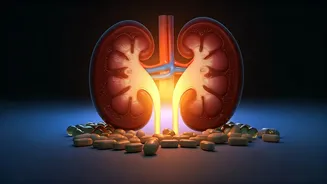
Prolonged intake of high-dose Vitamin D supplements can trigger serious health complications. A primary concern is hypercalcemia, an excessive buildup of calcium in the blood, which can strain the kidneys and cardiovascular system. This can manifest as kidney stones due to increased calcium excretion in urine. Furthermore, vascular calcification, the hardening of blood vessels due to calcium deposits, and irregular heart rhythms (cardiac arrhythmias) are significant risks. Since Vitamin D is fat-soluble, its toxicity develops gradually. Initial symptoms might include nausea, excessive thirst, generalized muscle weakness, and confusion, signaling that the body is struggling to manage the elevated levels.
Accidental Overconsumption
Toxicity from Vitamin D supplements often occurs unintentionally, as individuals might not fully grasp the implications of dosage and duration. A common pitfall involves confusing daily and weekly supplement regimens, leading to accidental overdosing. Patients may also continue taking high doses for longer than prescribed, perhaps feeling a subjective sense of well-being, without realizing the cumulative negative impact. This highlights the critical need for precise adherence to medical advice regarding supplement schedules to prevent the gradual build-up of toxic levels.
Safe Supplementation Practices
The safest approach to Vitamin D supplementation is to always follow a healthcare professional's guidance. Supplements should only be taken as prescribed, and discontinuing them once target levels are achieved is crucial. After normalizing low Vitamin D levels, consult your doctor about an appropriate maintenance dose, which in India typically ranges from 1000 to 1500 IU daily. Self-prescribing or continuing high doses indefinitely without medical supervision is strongly discouraged due to the potential for adverse effects.
Recognizing Early Toxicity Signs
Being aware of the early warning signs of Vitamin D toxicity is paramount for timely intervention. These can include an increased frequency of urination and heightened thirst, often accompanied by abdominal pain. Persistent bone and body aches can also be indicative of elevated Vitamin D levels. If these symptoms arise, it's essential to get your levels checked promptly. In some cases, blood tests for calcium and phosphorus are necessary to confirm hypercalcemia and guide treatment.
Monitoring and Sunlight's Role
Regular monitoring of Vitamin D levels is recommended. Testing before starting supplements and again after 8–12 weeks is advised. Once levels are stable, annual testing is generally sufficient. Following an initial intensive correction period, often with weekly 60,000 IU doses for 10–12 weeks, a maintenance dose is followed, with annual checks to ensure levels remain optimal. Sunlight exposure remains a vital, natural source; aim for 45–60 minutes daily between 10 am and 12 pm, ensuring maximum skin exposure (face, neck, arms, and legs) without sunscreen for maximum benefit.