





Oil Flows and Resilience
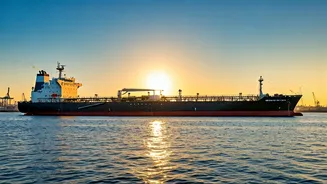
India's capacity to absorb Russian oil has become a prominent feature in global trade dynamics. Despite international sanctions, the flow of oil from Russia into
India has been robust. This resilience is expected to continue, potentially extending into 2026. This trend highlights India's strategic ability to manage its energy needs while also navigating complex geopolitical relationships. The nation's ability to maintain these oil imports showcases its economic autonomy and its willingness to balance its interests in the face of international pressure. This also underscores the adaptability of its trade practices and its capacity to sustain essential imports amidst a changing global environment.
FTA Aspirations and Gains
India's focus on Free Trade Agreements (FTAs) is a major element of its economic strategy. The nation is actively engaged in negotiations to secure favorable trade terms, with a particular emphasis on the European Union. India's gems and jewellery sector, for instance, is already well-positioned and comparable to industry leaders like China and Thailand, suggesting that such FTAs could unlock significant growth opportunities. The progress in negotiations, after two decades, points to a potential opening of markets, promising mutual benefits. An FTA with the EU could offer Indian businesses enhanced market access, stimulating growth in key sectors, particularly the pharmaceutical industry. This pursuit of FTAs is viewed as crucial for diversifying its trade partnerships and reducing dependency on any single partner.
Navigating Trade Challenges
India faces multiple trade challenges, which include the necessity of managing relations with key trade partners and responding to protectionist measures. For instance, the US imposing higher tariffs on South Korea reflects some of the broader uncertainties in international trade. Moreover, there is a push to reduce strategic dependencies, which motivates India's efforts in fostering resilient supply chains and diversified partnerships. Simultaneously, India must balance its trade activities while also being mindful of international pressures. This requires constant adaptation and strategic decision-making to navigate the complexities of global trade. The country's response to these challenges is reflective of its ambition to emerge as a significant global economic player.
US Perspectives and Concerns
The United States is scrutinizing India's trade practices, including its oil imports from Russia, and has been urging a reduction in these purchases. Some US officials have expressed concern over India's continued reliance on Russian oil. Furthermore, figures like US trade representatives have called on India to do more to curtail Russian oil purchases. Historical trade deal negotiations have faced challenges, and some figures have been mentioned in stalling these deals. The US's stance highlights the global competition and the need for countries to adjust trade strategies while considering their geopolitical relations. Such interactions reveal the necessity for India to maneuver diplomatically and strategically in its trade policies to align with its economic and political goals.
Social Security and Pharma
India aims to conclude social security pacts with all EU members within five years, which could support its workforce and promote cross-border mobility. The expected FTA with the EU is poised to bolster Indian pharmaceutical companies by giving them increased access to the EU market. This strategy is expected to boost India's capacity in trade and give it an edge in the competitive landscape of the international pharma market. These developments showcase India's dedication to improving trade relations and also supporting its key industries to achieve sustained growth.
Tariff Risks and Asia
Asia is exposed to a substantial risk of tariffs as the US broadens its national security trade restrictions. A large number of global tariffs are at stake, showing the potential for economic disruption. India, along with other Asian countries, must take steps to mitigate such risks and protect its trading interests. This involves making diversified trade partnerships and creating robust frameworks to manage the economic effects of trade tensions. These considerations are vital to ensure that India's economy is stable and able to withstand global trade shifts.