
Crude Oil's Central Role
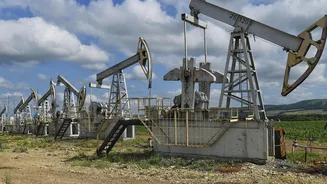
Crude oil is a cornerstone of India's energy landscape, playing an indispensable role in powering its economy. It serves as a fundamental building block
for a vast array of industries and is essential for transportation, manufacturing, and other critical sectors. The reliance on this fossil fuel makes India vulnerable to fluctuations in global oil prices and geopolitical events. The country's demand for crude oil is substantial and continues to grow, necessitating strategic sourcing and diversification of supply to ensure energy security. Given its impact on the nation's economic output and its everyday functioning, the availability and cost of crude oil are critical factors in shaping India's economic trajectory.
India's Russian Imports
Prior to recent shifts, India had established significant trade relationships for crude oil, with Russia emerging as a pivotal supplier. The imports from Russia helped India manage its energy needs while also influencing its strategic partnerships. The volume of oil imported from Russia played a key part in the energy market and shaped the dynamics of the global oil trade. While the initial reliance on Russian oil was substantial, its significance has recently been affected by global sanctions and market realignments. These changes have prompted India to reassess its sourcing strategies and explore alternative supply options to enhance its energy security and mitigate the risks associated with geopolitical volatility.
Sanctions' Impact on Trade
The imposition of international sanctions has considerably reshaped the global oil trade, significantly impacting India's position in this market. Sanctions targeted Russia, leading to a complex web of restrictions that changed the way oil was bought and sold. The economic measures imposed made it difficult for several countries to directly engage with Russian oil. These sanctions introduced logistical challenges and financial hurdles, pushing India to modify its sourcing methods and evaluate alternative avenues to secure its energy requirements. The evolving situation has compelled India to balance its need for affordable energy with its commitment to international norms and economic regulations.
India's Buyer Ranking Shift
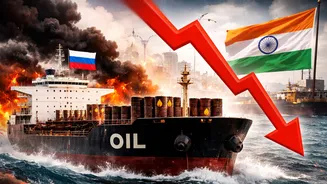
Following the implementation of sanctions, India's standing among Russian fossil fuel buyers underwent a noteworthy transformation. The country's ranking slipped, showing a reduction in direct reliance. This change was a result of various factors, including market adjustments and strategic decisions made in response to geopolitical pressures. The shift reflected a careful recalibration of India's energy procurement strategy, aimed at diversifying supply sources and reducing dependence on any single country. It also highlighted the dynamic interplay between economic imperatives and international relations in the sphere of global energy trade. The transformation signifies India's commitment to adapting to changing conditions and safeguarding its economic interests amidst global uncertainties.