




Sovereignty Over Enrichment
Iran has firmly declared that it will not relinquish its uranium enrichment capabilities, even under duress. Foreign Minister Abbas Araghchi articulated
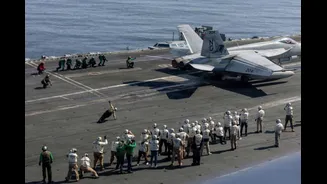
that this right is fundamental to their national sovereignty, stating that no external power has the authority to dictate Iran's domestic policies. This resolute stance emerged during renewed diplomatic engagements with the United States, where Tehran expressed significant skepticism regarding Washington's sincerity in pursuing genuine negotiations. Araghchi emphasized that Iran's insistence on enrichment is rooted in the principle that other nations cannot impose their will on the country's behavior. The presence of US military assets in the region, such as the USS Abraham Lincoln, was dismissed as an attempt to intimidate, with Araghchi asserting that such displays of force do not instill fear in Iran. This position underscores Iran's deep-seated mistrust of US intentions and its determination to protect its perceived sovereign rights in the face of international scrutiny and pressure.
Negotiations Amidst Tension
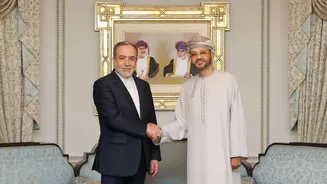
Recent talks between Iran and the United States in Oman marked a significant, albeit complex, step in their long-standing diplomatic standoff. While Iran seeks the lifting of crippling economic sanctions, they propose a series of confidence-building measures related to their nuclear program in return. The US, on the other hand, maintains its accusations that Iran is pursuing nuclear weapons, a claim Tehran vehemently denies. Iranian officials have openly questioned the seriousness of the US approach, citing the continuation of sanctions and military escalations as evidence of a lack of genuine commitment to peaceful dialogue. Despite these reservations, both sides acknowledged the talks as a step forward, with President Trump describing them as "very good." However, the immediate aftermath of these discussions saw the US imposing new tariffs and sanctions targeting entities involved in Iran's oil exports, further complicating the path towards resolution and fueling Iranian doubts about the US's diplomatic intentions.
Perception of Power
Iran's defiance in uranium enrichment is framed by Foreign Minister Araghchi not as an offensive capability, but as a powerful assertion of independence. He eloquently stated that the "atomic bomb" Iran possesses is its right and ability to reject the dictates of global superpowers. This perspective reframes the nuclear enrichment issue from a pursuit of weapons to a symbol of national agency. The international community, particularly Western nations and Israel, remains wary, viewing Iran's advancements as a potential pathway to nuclear armament. Iran, conversely, maintains that its nuclear program is exclusively for peaceful purposes and that the fear of an "atomic bomb" stems from the US's perception of Iran's growing influence and its capacity to independently chart its own course, free from external coercion. This fundamental divergence in interpretation fuels the ongoing tension and skepticism surrounding Iran's nuclear ambitions and its broader geopolitical posture.
Domestic Unrest and Data
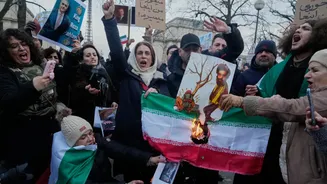
The context of these international negotiations is set against a backdrop of domestic challenges for Iran, including significant nationwide protests that erupted over economic grievances. Iranian authorities have disclosed that 3,117 individuals lost their lives during this unrest, with a published list of 2,986 names, predominantly comprising security personnel and civilians. However, these figures are contested by international organizations. The US-based Human Rights Activists News Agency (HRANA) reports a significantly higher verified death toll of 6,961, with the majority being protesters, and an additional 11,630 cases under investigation alongside over 51,000 arrests. This disparity in reported numbers highlights the stark differences in how domestic events are perceived and documented, adding another layer of complexity to Iran's international relations and its internal stability.