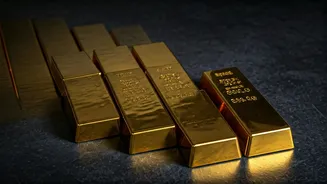

Gold's Market Overview
The gold market, much like any other, is subject to a variety of influences that can cause prices to fluctuate. Today's price of gold, specifically, has
been showing signs of a decrease, sparking curiosity and queries from investors and enthusiasts alike. The price dynamics are multifaceted, encompassing macroeconomic trends, geopolitical scenarios, and investor sentiment. The fluctuations observed don't simply appear out of nowhere; instead, they are the result of an intricate interplay of diverse elements. Gold, frequently viewed as a safe-haven asset, is significantly affected by the degree of confidence investors have in the economy. Uncertainty in the economic environment often results in higher gold prices because people seek stability, while periods of economic growth can lead to decreased demand for the precious metal. Understanding these mechanisms is crucial to grasping the behavior of gold prices.
Factors Driving Decline
Several key elements are currently contributing to the decrease in gold prices, as observed in the market. Interest rate policies from global central banks, including those in the United States, play a vital part in the price movements. When interest rates go up, the appeal of gold, which produces no yield, typically diminishes. Investors often turn towards interest-bearing assets, leading to a drop in gold prices. The strength of the U.S. dollar, another influential factor, also has a direct impact on gold. As the dollar appreciates, gold becomes more expensive for purchasers using other currencies, potentially decreasing global demand. Furthermore, the overall global economic health and expectations for future growth or contraction significantly influence gold prices. If economic indicators point to stability and prosperity, investors may choose riskier assets, reducing the demand and consequently the price of gold.
Investor Sentiment's Impact
Investor sentiment is a significant factor in shaping gold prices. The collective outlook and perceptions of investors can significantly drive market trends. During times of economic and political instability, gold frequently sees an increase in demand. This is largely because investors consider it a safe-haven asset, turning to it when they seek to safeguard their assets from potential risks. On the other hand, a surge in investor confidence in the economy may lead them to venture into riskier investments, causing a decrease in demand for gold. This variance in sentiment is influenced by multiple events, including geopolitical tensions, the policies of central banks, and the general state of the global economy. Monitoring investor sentiment is key to understanding the dynamics of gold prices. News and analysis that offer insights into market mood often shape gold's price and trading activity.
Long-Term Considerations
Considering the long-term prospects of gold requires a deeper understanding of its cyclical nature and lasting importance as an investment asset. Gold has historically proven to be a valuable asset, especially during periods of uncertainty, acting as a hedge against inflation and economic instability. Despite short-term fluctuations, gold often maintains its value over extended periods, making it a reliable store of wealth. It is crucial to view the present drop in gold prices in the context of broader economic cycles and long-term investment strategies. Diversification is key; gold can be a beneficial part of a balanced investment portfolio to reduce overall risk. Investors should also carefully assess their risk tolerance and financial goals before making decisions regarding gold. Researching market patterns, consulting financial advisors, and staying updated on global economic trends are essential for making informed investment choices.