





UV Radiation Surge
The Kerala State Disaster Management Authority (KSDMA) has issued a public caution due to a significant increase in ultraviolet (UV) radiation levels throughout
the state. Data from recent monitoring indicates that several specific locations have surpassed a UV index threshold of 8, triggering an 'orange alert'. These areas include Kottarakkara in Kollam district, Konni in Pathanamthitta district, Chengannur in Alappuzha district, Changanassery in Kottayam district, and Munnar in Idukki district. An 'orange alert' signifies a heightened danger of harm from prolonged, unprotected exposure to the sun. Concurrently, a 'yellow alert,' which corresponds to a UV index between 6 and 7, has been observed in other districts. These locations include Kalamassery in Ernakulam district, Thrithala in Palakkad, Ponnani in Malappuram, and Mananthavady in Wayanad district, highlighting the widespread nature of this elevated radiation.
Peak Danger Hours
Health authorities are emphasizing that the most perilous period for sun exposure occurs during the midday hours. The KSDMA specifically advises that high UV index levels are typically recorded between 10 am and 3 pm. During this critical timeframe, individuals are strongly encouraged to minimize direct contact with sunlight for extended durations. Experts in health warn that neglecting necessary precautions against these powerful rays can result in severe consequences. These can range from painful sunburns and the development of chronic skin conditions over time to a variety of serious eye-related complications. It is crucial to understand that these risks are not to be underestimated and adherence to safety guidelines is vital.
Vulnerable Groups Identified
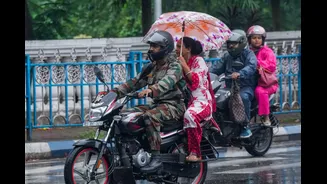
While the general public is advised to be cautious, the KSDMA has specifically identified certain groups who face an even greater risk from the high UV radiation. This includes individuals who spend significant time outdoors for their livelihoods, such as construction workers and outdoor laborers. People working in marine environments, like fishermen and those involved in water transport, are also at a higher risk due to prolonged sun exposure. Motorcyclists and tourists, who are often exposed to the sun for extended periods while traveling, should also exercise extra caution. Furthermore, individuals with pre-existing health conditions that make them more susceptible to sun damage, such as albinism, various skin diseases, or compromised immune systems, need to be particularly vigilant.
Essential Protective Measures
To effectively counter the impact of the intense UV radiation, the KSDMA has put forth several practical safety recommendations. It is strongly advised to utilize protective gear, including wide-brimmed hats to shield the face and neck, umbrellas for portable shade, and sunglasses that are rated for UV protection to safeguard the eyes. Wearing clothing made from breathable cotton materials that cover as much of the skin as possible is also a key recommendation. When working or traveling outdoors, seeking out shaded areas frequently can significantly reduce direct exposure. The KSDMA also points out that elevated areas and coastal regions, where sand and water can reflect and intensify UV rays, are especially susceptible. Residents can monitor real-time UV conditions through 14 monitoring stations available on the KSDMA website.