






The 2015 Crisis
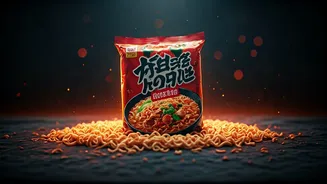
In 2015, a cornerstone of Indian kitchens faced an unprecedented challenge when food safety regulators raised alarms over the product's lead content and
MSG labeling. This led to a cascade of state-level bans, culminating in a nationwide recall that emptied shelves and halted production for a brand deeply interwoven with daily life. The abrupt disappearance of a product synonymous with quick meals and comfort sent shockwaves through consumer habits and Nestlé India's operations, forcing a devastating halt and destruction of vast inventories. This moment marked a significant downturn for a brand that had spent decades building consumer loyalty and establishing itself as a go-to solution for busy households and sudden cravings, impacting its market presence almost overnight and bringing sales to a standstill.
Forging a Market
Maggi's entry into India in 1983 occurred when instant noodles were an alien concept, pitting the brand against deeply ingrained traditional staples like rice, roti, and poha. Its initial strategy focused on a unique positioning: not just as food, but as a source of 'instant comfort.' The iconic '2-minute' promise revolutionized meal preparation, making it an indispensable choice for time-pressed families, particularly mothers seeking rapid meal solutions. This simple yet powerful proposition transformed it from a mere product into an effortless and satisfying option, embedding itself into the rhythm of daily life as a solution for after-school snacks, late-night hunger pangs, and quick travel meals.
Family Focus
Unlike global markets where instant noodles often target younger demographics, the brand's strategy in India was distinctly family-centric, with a strong emphasis on homemakers. The core message, 'No time to cook? Just boil, break, and serve,' resonated powerfully with this audience. Beyond mere convenience, the brand cultivated a profound emotional connection, becoming associated with warmth, home, and a sense of comfort. This dual approach, blending practical utility with emotional resonance, solidified its place not just in pantries, but in the hearts of Indian consumers, making it more than just a meal option but a part of familial routines and sentiments.
Evolving Ingredient
A pivotal factor in the brand's enduring success was its remarkable adaptability, evolving from a standalone meal into a versatile culinary ingredient. Consumers embraced this flexibility, transforming the basic noodles by incorporating a wide array of ingredients such as fresh vegetables, eggs, and diverse regional spices. This creative customization allowed the product to transcend its packaged food identity, becoming a canvas for culinary expression and a foundation for countless homemade dishes. This ability to integrate into and enhance various cooking styles made it an indispensable part of Indian kitchens, catering to evolving tastes and preferences.
Distribution and Recall
The brand's deep-rooted distribution network, extending to even the smallest 'kirana' stores across India, ensured ubiquitous availability at accessible price points. Concurrently, significant investments in advertising created strong brand recall and sustained its presence across generations. This widespread accessibility and consistent marketing meant that even during the 2015 ban, the deeply ingrained consumer habits and emotional bonds remained largely intact, demonstrating the brand's resilience and the enduring loyalty it commanded among its vast customer base.
Rebuilding Trust
Following a rigorous period of testing, securing regulatory approvals, and extensive relaunch initiatives, the brand made its return to Indian shelves in late 2015. Nestlé concentrated its efforts on meticulously rebuilding consumer confidence, emphasizing stringent safety protocols, transparent operations, and robust quality control measures. The market responded overwhelmingly positively, with consumers embracing the brand with a mixture of nostalgia, renewed trust, and established habit. This strong consumer reception allowed the brand to swiftly reclaim its former market position, demonstrating the power of rebuilding confidence after a significant crisis.
Post-Crisis Innovation
In the wake of the 2015 incident, the brand intensified its focus on product innovation, introducing variants like Atta Maggi and Oats Maggi. These new offerings were specifically designed to appeal to the growing segment of health-conscious consumers, helping the brand to maintain its relevance in a dynamic market. This strategic expansion of its product portfolio allowed it to not only cater to evolving consumer needs but also broaden its overall consumer base, ensuring continued growth and market leadership.
India's Top Market
Today, India stands as the paramount market for the brand, even when compared to its presence in countries like the United States, Canada, Germany, and Australia. Daily sales now hover around an impressive 16 million packets, securing approximately 60% of India's entire instant noodle market share. Nestlé's annual report for 2023-24 highlighted this sustained robust growth across all categories, firmly establishing India as the largest Nestlé market globally for the Maggi brand, a testament to its extraordinary recovery and dominance.