





The Chef's Warning
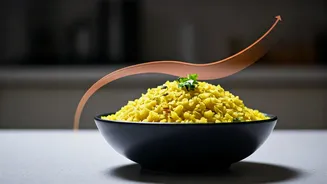
Chef Sanjeev Kapoor has recently voiced a strong opinion regarding poha, a staple breakfast item in many Indian households. He described it not as a healthy
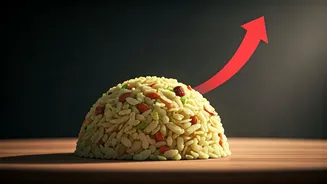
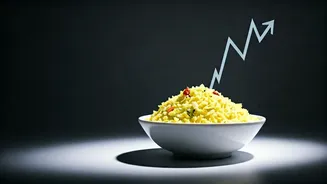
meal, but rather as a comfort food that can lead to substantial surges in blood sugar levels. Kapoor went as far as to suggest that if rice is considered problematic for blood sugar management, then poha might be even more detrimental. He explained in an interview that consuming poha for breakfast can result in a noticeable spike in glucose levels, illustrating this point with a visual gesture. This statement has sparked a discussion about the actual health implications of this popular dish, prompting a closer examination of its nutritional profile and effects on the body.
Expert Rebuttal & Nuance
While Chef Kapoor's assertion highlights a potential concern, Dr. Vijay Negalur, Head of Diabetology at KIMS Hospitals, Thane, views it as somewhat of an oversimplification. Dr. Negalur acknowledges that poha, being derived from flattened rice, is indeed a refined carbohydrate and can elevate blood sugar. However, he emphasizes that declaring it 'worse' than rice overlooks crucial factors. The impact of any food on blood sugar is a complex interplay of its inherent properties, the quantity consumed, the method of preparation, and what other foods it's eaten with. A large, unadorned serving of poha might indeed lead to a rapid rise, but this effect is manageable, according to Dr. Negalur. He suggests that a more balanced perspective is necessary, considering the entirety of the meal rather than isolating one component.
Nutritional Gaps Explained
The concern surrounding poha's effect on blood sugar stems from its relative deficiency in fiber and protein. These essential nutrients play a vital role in regulating the pace at which glucose is absorbed into the bloodstream. Because poha is processed and flattened, it tends to digest more rapidly, which naturally leads to a quicker increase in blood sugar levels, similar to other foods made from refined grains. This accelerated digestion is a key reason behind the potential for sharp glucose spikes. It's important to note that the extent of this effect can vary significantly from person to person, influenced by individual metabolic rates and the overall composition of their meal. Therefore, while the inherent nature of poha contributes to faster digestion, the personal response is a crucial element.
Making Poha Healthier
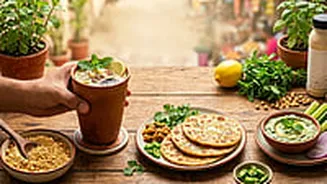
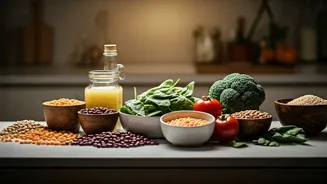
The notion that individuals with diabetes must completely abstain from poha is not necessarily true. Dr. Negalur advises that rather than outright elimination, the focus should be on consuming poha more mindfully. Prudent portion control is paramount, and avoiding eating it as a standalone dish is highly recommended. By incorporating sources of protein, such as peanuts, sprouts, or a side of curd, and by adding a generous amount of vegetables, the meal can be significantly balanced. This approach helps mitigate sudden blood sugar surges. Even small adjustments, like including fiber-rich vegetables such as peas, carrots, or capsicum, and adding healthy fats or proteins, can substantially slow down the digestive process and improve glucose management. Opting for a moderate portion and steering clear of sugary beverages also contribute positively. Even the simple act of eating slowly can influence how the body processes glucose.
Focus on Habits, Not Labels
Ultimately, the most practical approach to managing one's diet, especially concerning blood sugar, is to move beyond labeling foods as strictly 'good' or 'bad'. Instead, the emphasis should be placed on cultivating overall healthy eating habits. The creation of balanced meals, an awareness of portion sizes, and maintaining consistency in dietary choices are far more influential than the occasional consumption of a single food item. Experiencing minor blood sugar fluctuations is generally less concerning than establishing long-term, unfavorable patterns. The overarching goal should be to adopt a sustainable way of eating that promotes stable blood sugar levels without imposing excessively restrictive dietary limitations. This holistic perspective ensures a more balanced and manageable approach to health.