




A Grand Welcome
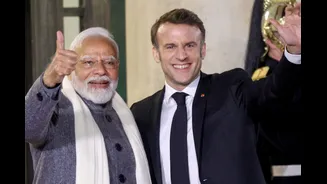
The atmosphere at Delhi Airport was charged with significance as Prime Minister Narendra Modi extended a formal reception to UAE President Mohamed bin
Zayed Al Nahyan. The greeting was more than just a courtesy; it was a visible display of the strong bond and diplomatic rapport that India values with the United Arab Emirates. The presence of high-ranking officials and the ceremonial protocols showcased the importance India placed on the visit, setting a positive tone for the bilateral talks scheduled to follow. This initial interaction at the airport symbolized a shared commitment to fostering deeper, more meaningful ties, hinting at the potential for substantial collaborations and agreements during the visit.
Strengthening Partnerships
The primary focus of the meeting between the leaders was on fortifying the existing partnerships and exploring fresh avenues for cooperation. The discussions were expected to cover a wide spectrum of areas, including trade, investment, and strategic alliances. Both nations have previously shown a commitment to enhancing their economic ties, with the UAE being a significant investor in India. Furthermore, there was an anticipation of deliberations on defense and security matters, reflecting a shared interest in regional stability. The strategic aspect of the relationship was likely to be a central topic, with talks aiming to align the strategic interests of both countries and solidify their positions on global platforms.
Economic Ties Explored
Economic matters undoubtedly took center stage during the discussions, given the substantial trade and investment flows between India and the UAE. The leaders likely explored avenues to amplify these figures, potentially through agreements that facilitate trade and reduce barriers. The UAE, with its considerable sovereign wealth, stands as an important source of investment for India, particularly in infrastructure, energy, and technology sectors. Discussions may have included how to streamline investment procedures, promote joint ventures, and create a favorable environment for businesses from both nations. The aim was to create a robust economic framework that mutually benefits both countries, fostering sustained growth and prosperity.
Strategic Cooperation Deepened
Beyond economic considerations, the meeting had a strong emphasis on strategic cooperation. This involves aligning foreign policy objectives and coordinating on critical regional and global issues. Given the volatile geopolitical environment, discussions regarding defense and security were probably important, with potential dialogues on maritime security, counter-terrorism efforts, and information sharing. The leaders most likely discussed methods to strengthen diplomatic relations, collaborate within international organizations, and maintain a shared front on matters such as climate change and sustainable development. The goal was to establish a resilient, strategic partnership that addresses shared challenges and supports each country’s long-term interests.
Future Prospects
The visit represented a key moment in strengthening the relationship between India and the UAE. The outcomes of the meeting were anticipated to set the direction for future cooperation across various fields. Successful negotiations could lead to the signing of new agreements, expanding the scope of existing collaborations and initiating fresh projects. These endeavors could further increase the level of trust and mutual understanding between the two countries, positioning them as essential allies on the global stage. Looking ahead, the visit highlighted the potential for a dynamic and enduring partnership that would contribute to the advancement and prosperity of both India and the United Arab Emirates.