





Digital Matrimonial Arena
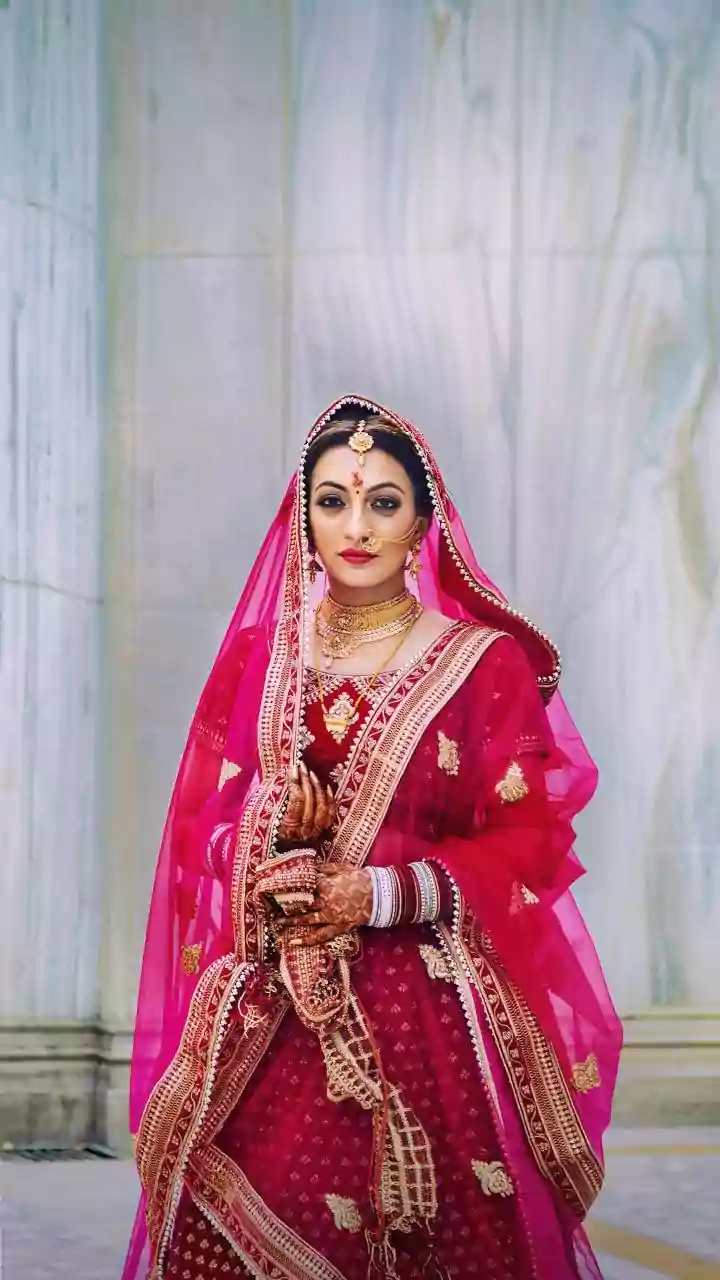
The traditional quiet family affair of arranged marriage has been dramatically transformed by the digital age, particularly in the context of 2026 India.
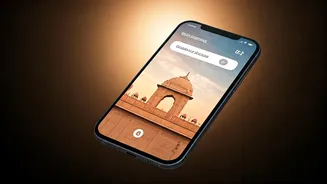
Matrimonial apps now serve as the primary gateway, presenting a vast, often overwhelming, pool of potential partners. This shift has moved matchmaking from hushed living rooms to endless scrolling and back-to-back weekend meetings, introducing a new layer of intensity. Individuals find themselves navigating not just family expectations but also the curated profiles and digital interactions that feel akin to a high-stakes audition. The initial charm of convenience offered by these platforms often belies the significant psychological strain they can impose, turning what was once a familial arrangement into a demanding, often exhausting, personal quest for a life partner.
The Audition Experience
The modern arranged marriage process, amplified by matrimonial apps, frequently devolves into a series of rigorous, almost interrogative, meetings. Individuals report feeling like they are undergoing auditions rather than casual get-to-know-you sessions. Questions about career compatibility, domestic responsibilities, and even personal habits are common, sometimes revealing underlying desires for control or rigid expectations about gender roles. One individual recounts a match whose mother rejected help with household chores, expecting the wife to manage everything alongside her career, while simultaneously wanting a 'working partner' to share expenses. Another experienced a query about comfort with a partner's post-party behaviour, highlighting a lack of sensitivity and emotional awareness. These encounters often leave individuals questioning whether the focus is on genuine compatibility or adherence to predefined societal moulds, leading to significant emotional fatigue and disillusionment.
Hypocrisy and Contradictions
A pervasive theme within the contemporary arranged marriage landscape is hypocrisy, manifesting in a significant disconnect between stated desires and underlying expectations. Potential partners often present themselves with generic, positive traits like 'family-oriented' or 'well-settled,' which can be vague and misleading, akin to curating a professional LinkedIn profile rather than seeking genuine connection. This is frequently coupled with contradictions, such as expecting a financially independent partner while simultaneously demanding they compromise that independence for domestic duties or family expectations. Instances arise where a potential groom's family rejects a match based on minor geographical distance or astrological discrepancies ('horrorscopes'), while simultaneously showcasing a dismissive attitude towards the groom's own financial standing or career ambitions. These duplicitous standards create confusion and frustration, making the search for a suitable partner increasingly challenging.
Psychological Repercussions
The sheer volume and velocity of interactions facilitated by matrimonial apps have introduced a significant psychological toll on individuals navigating arranged marriages. Unlike the contained choices of earlier generations, the endless stream of potential partners on these platforms can lead to emotional fatigue, ambiguity surrounding rejections, and a feeling of constant assessment. Experts highlight the 'paradox of choice,' where an abundance of options can hinder decision-making and increase pressure. Rejections are often framed around superficial aspects like appearance, finances, or background, rather than genuine incompatibility, leading individuals to question their self-worth and acceptability. This external gaze can be internalized, prompting self-doubt and the uncomfortable consideration of changing aspects of oneself to fit perceived societal norms, thereby eroding self-esteem.
Evolving Expectations vs. Tradition
A substantial generation gap exists concerning expectations within the arranged marriage system, creating a clash between modern desires and traditional frameworks. Younger generations increasingly prioritize emotional intimacy, mutual respect, and compatibility as foundational elements in a partnership. However, the underlying structures of arranged marriage often remain rooted in older priorities such as caste, social status, income brackets, and astrological alignment. This collision of vastly different value systems is a primary source of psychological distress. While past generations might have benefited from fewer choices leading to quicker decisions, contemporary individuals face a more complex reality where evolving personal aspirations encounter the inertia of entrenched societal norms, making the path to marriage fraught with significant emotional challenges.
Navigating with Self-Respect
Successfully navigating the modern arranged marriage process necessitates a proactive approach centered on self-protection and personal well-being. Experts advise individuals to intentionally pace the search, limiting the number of weekly meetings and resisting the urge to endlessly scroll through profiles. A crucial shift involves redirecting the internal focus from seeking external validation ('Do they like me?') to self-assessment ('Do I feel comfortable, respected, and aligned?'). Establishing a clear personal compass with genuine non-negotiables, while differentiating them from mere preferences, is vital. Slowing down, avoiding rapid emotional investment, and maintaining a robust life outside the search—through work, friendships, and hobbies—provides stability. Ultimately, prioritizing self-respect and self-esteem, even when societal pressures demand otherwise, allows individuals to approach marriage with integrity and authenticity, ensuring their sense of self remains intact.